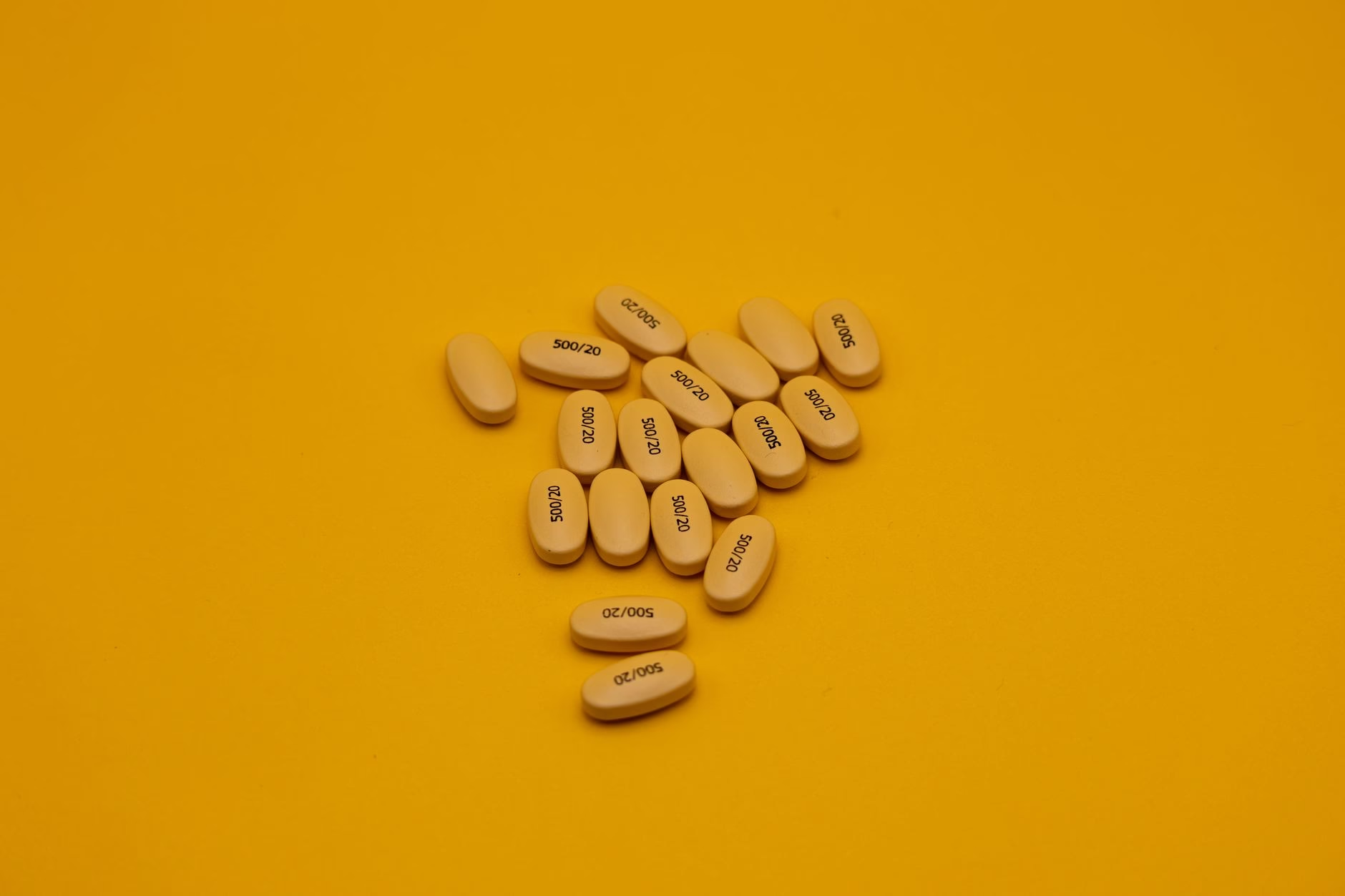
effexor dosage forms the basic idea behind how venlafaxine is taken to treat mood and anxiety disorders. This article explains typical dosing, how adjustments are made, and why safety matters. Understanding dosage helps patients, caregivers, and clinicians improve treatment outcomes.
Effexor comes in two main forms: immediate-release and extended-release. Each type has its own dosing pattern and timing. The goal is to match the dose to symptoms, side effects, and daily routines, so therapy remains effective without causing harm consistently.
Starting doses commonly range from 37.5 mg to 75 mg per day, then adjusted gradually. The approach reduces the risk of side effects and withdrawal when shifting to higher amounts or switching formulations. A careful plan supports steady mood improvement.
People often confuse starting doses with daily totals. The label matters because immediate-release forms require divided dosing at several times, while extended-release versions may be taken once daily. Understanding these differences empowers patients to ask precise questions during visits carefully.
This article also reviews safe limits, monitoring needs, and signs that warrant professional input. People should never modify doses without clinician guidance. Even small changes can alter effectiveness, increase side effects, or trigger withdrawal symptoms if stopped abruptly without notice.
Key Takeaways
| Takeaway | Notes |
|---|---|
| effexor dosage must be tailored to the person. | Start low, adjust slowly with clinician oversight. |
| Discuss effexor dosage with a clinician before changing. | Monitor mood, blood pressure, and side effects during changes. |
Understanding effexor dosage
Understanding effexor dosage involves knowing how guidelines vary by formulation. Immediate-release forms typically require multiple daily doses, while extended-release options may be taken once daily. Clinicians tailor effexor dosage to symptom patterns, side effects, and patient lifestyle over time carefully.
Maximum effexor dosage for XR is important to know. The usual cap is 225 mg per day, and higher levels rarely provide more benefit. Clinicians watch blood pressure and mood changes as the dose climbs, then assess overall safety carefully.
Factors influencing effexor dosage
Many elements determine the exact effexor dosage for a person. Age, weight, and kidney or liver function can shift how the body handles the drug. Coexisting mental health conditions, other medicines, and current symptoms also shape the ultimate dosing plan.
Older adults may start closer to the lower end of ranges to reduce side effects. People with kidney or liver impairment may need slower titration and closer monitoring. In such cases, clinicians adjust effexor dosage with measured steps and checks.
Adjusting your effexor dosage
Adjusting your effexor dosage follows a careful plan made with a clinician. Titration schedules increase the dose in small steps, often 37.5 mg or 75 mg, to limit side effects. Patients should report new symptoms promptly to support safe adjustments.
Some patients may experience withdrawal symptoms if the dose changes rapidly. Clinicians plan slow tapering to reduce risk. If stopping is necessary, a gradual schedule prevents distress and keeps mood stability while guiding the transition away from higher effexor dosage.
Maximum safe effexor dosage
Upper limits are set to prevent harm. Most guidelines cite 225 mg per day for XR, which balances benefits and risks. Some people may require adjustments for medical conditions, but clinicians will weigh safety before any changes in the future.
Side effects and safety concerns
Many people worry about side effects during therapy. Common issues include nausea, sleep changes, and dizziness, especially after dose changes. Most problems fade with time, yet persistence or worsening symptoms call for medical input and a careful review by clinicians.
Discontinuing or changing dose
Discontinuing or changing dose must be done with a clinician’s guidance. Gradual tapering lowers withdrawal risk and helps maintain mood. Anyone considering stopping should arrange follow-up to monitor needs and avoid abrupt changes that could threaten safety for long-term wellbeing.
Additional considerations in dosing
coexisting heart disease, high blood pressure, or diabetes can influence how Effexor is used. Clinicians may adjust timing, monitor glucose or lipid levels, and coordinate care with other specialists. Regular review ensures the plan matches evolving health needs and daily life.
Drug interactions also matter. Some medicines, herbal products, or alcohol can alter how venlafaxine works. A clinician reviews all therapies to reduce risks, adjust timing, and prevent unwanted outcomes. Your full medication list helps prevent avoidable problems.
Practical daily management
Many people find routines help maintain steady levels of the medicine. Take Effexor XR at the same time each day and keep a simple log of mood, sleep, and energy. A steady daily habit supports reliable results and smoother transitions.
Healthy habits such as regular exercise and balanced meals can support mood while using Effexor. Avoid heavy alcohol use, which can worsen side effects. Discuss exercise plans with your clinician when adjusting doses, since activity levels may influence tolerability greatly.
How to discuss dosing with your clinician
Talking about dosing requires clear questions. List symptoms, timing, and side effects. A clinician uses this information to decide whether a small dose change will help. Do not hesitate to ask about risks, benefits, and expected timelines for safety.
Pregnancy, breastfeeding, and dosing
Pregnancy or breastfeeding requires careful planning. The doctor weighs benefits and risks before adjusting doses. In many cases, the medicine may be continued at the lowest effective amount, with close monitoring of both mother and baby during pregnancy and lactation.
Safety reminders and when to seek care
Seek care if you notice new chest pain, severe dizziness, fainting, or increasing thoughts of self harm. Any sudden mood drop should be reported. A clinician can adjust the plan to reduce risk and maintain safety for your overall health.
Conclusion
Safe use of Effexor depends on ongoing medical guidance. Dosing decisions should consider symptoms, side effects, and other health needs. By staying informed and connected with a clinician, people can achieve better outcomes while minimizing risks and discomfort over time.
Frequently Asked Questions
What is the typical starting dose of Effexor?
The usual starting dose is 75 mg per day, divided into 2-3 doses for immediate-release or as a single dose for extended-release. Clinicians tailor the plan to patient needs and monitor early response and tolerability.
Can I take more than 225 mg of Effexor daily?
Doses above 225 mg per day are generally not recommended; always follow your clinician’s guidance regarding effexor dosage to avoid serious side effects and ensure ongoing mood management over time.
How do doctors decide the right effexor dose for me?
Doctors decide the dose by checking how you respond to therapy, the side effects you notice, and any other medical conditions you have. They look at overall health and daily life to adjust dosage safely.
What are the risks of taking too high a dose?
High doses can raise blood pressure, heart problems, or seizures, and may trigger withdrawal symptoms if stopped abruptly. The risks increase with rapid changes, multiple medicines, or underlying health issues that require careful safety planning.
How long does it take for Effexor to reach an effective dose?
It can take several weeks of titration to observe full therapeutic effects; dose adjustments are made gradually to balance benefits with the chance of side effects. Patience and regular clinician follow-up support success during this period.
What should I do if I experience side effects at my current dose?
Contact your healthcare provider to discuss symptoms; dose adjustments or other interventions may be necessary. Small changes can reduce symptoms, and professional guidance helps avoid worsening effects or withdrawal risk during changes.
Is it safe to stop Effexor suddenly?
No. Discontinuation should be gradual and under medical supervision to prevent withdrawal symptoms and mood destabilization. A taper plan helps maintain safety and comfort, especially when stopping involves other health conditions or medications.
When should I see a doctor about my Effexor dose?
If you experience severe side effects, worsening symptoms, or new health issues, consult your healthcare provider promptly. Timely review supports appropriate dosing decisions and reduces potential complications while maintaining the best possible mood and function.
External Resources
For authoritative information, review the following sources:
FDA guidance,
NIH clinical data,
Mayo Clinic overview,
MedlinePlus information,
Drugs.com overview.
Internal references provide additional context and patient-centered guidance. See related topics at
effexor withdrawal symptoms,
effexor side effects,
duloxetine dosage,
coming off duloxetine,
effexor weight gain.
SOURCES
- FDA – Venlafaxine (Effexor) Advice
- NIH – Clinical Data on Venlafaxine
- Mayo Clinic – Effexor (Venlafaxine) Overview
- MedlinePlus – Venlafaxine
- Drugs.com – Effexor (Venlafaxine) Information