mirtazapine and alcohol raise questions for many patients and clinicians seeking clarity about safety, risks, and limits. This article reviews how these substances interact, what symptoms to watch for, and how to talk with a doctor about alcohol during treatment.
Many people worry that alcohol can worsen side effects like drowsiness, dizziness, and trouble concentrating. Mirtazapine works in the brain to improve mood, but alcohol also depresses the central nervous system, which means combined use can amplify fatigue and impairment.
Health professionals rarely banish alcohol entirely, yet they emphasize safety and personal risk. People should be honest about drinking patterns, liver health, other medicines, and mood changes. Clear conversation helps tailor advice that fits each patient’s health history and goals.
This article outlines how to assess personal risk, recognize warning signs, and plan safer habits. By understanding the interaction, readers can reduce harm, know when to seek care, and participate in decisions about treatment plans with their clinician, over time and with care.
Readers should know that effects vary by age, liver health, concurrent medications, and drinking history. The goal is safe, informed use rather than perfection. The next sections explain mechanisms, research, practical steps, and when to seek professional guidance for safety.
Understanding mirtazapine and alcohol interactions
When people take medications for mood, the goal is relief from symptoms and better daily function. Alcohol can undermine that goal by slowing brain processing and dulling judgment. Even small amounts may worsen sleep, mood stability, and reaction time for some patients.
Chemistry matters here. Both substances depress the central nervous system, which can multiply fatigue, confusion, and unsteady balance. People with liver disease, older adults, or those on multiple medicines may feel stronger effects. A clinician can tailor advice safely too.
Even when labels do not forbid drinking, many doctors recommend avoiding alcohol while adjusting dose, monitoring mood changes, and ensuring safe sleep. People should report dizziness, confusion, or motor clumsiness immediately, as these signs can indicate risk that needs attention.
Understanding the limits can help people stay safer. In some cases, a doctor may suggest no alcohol at all during treatment, especially if side effects are present or if the person has prior problems with drinking in their medical history.
Health teams tailor advice based on age, weight, liver function, and other medicines. They consider whether a person has anxiety, sleep issues, or depression that could be worsened by alcohol. This personalized approach helps reduce risk and supports recovery overall.
Effects on sleep and mood are central concerns. The brain relies on chemical signals to regulate mood, stress, and energy. When alcohol enters, the interaction mirtazapine and alcohol can disrupt pathways, altering sleep cycles and daytime alertness in various people.
Chemistry matters here. Both substances depress the central nervous system, which can multiply fatigue, confusion, and unsteady balance. People with liver disease, older adults, or those on multiple medicines may feel stronger effects. A clinician can tailor advice safely too.
Even when labels do not forbid drinking, many doctors recommend avoiding alcohol while adjusting dose, monitoring mood changes, and ensuring safe sleep. People should report dizziness, confusion, or motor clumsiness immediately, as these signs can indicate risk that needs attention.
When people face the question about how much to drink, several practical points help. First, talk with a clinician about plans and safety limits. Second, consider timing with meals and medications. Third, monitor how sleep, mood, and energy respond over days.
The brain and body respond differently for each person. Some people experience only mild effects, while others endure significant daytime sleepiness. Because individual factors vary, readers should discuss personal thresholds with their health team before making changes to drinking habits.
The combination of mirtazapine and alcohol can influence appetite and mood, so careful observation matters. People should observe changes in thirst, swallowing, digestion, or energy levels after drinking. Noting these patterns helps clinicians decide whether adjustments are needed or safer choices are advised.
In this section, readers learn how interactions may affect sleep, appetite, and anxiety. The discussion emphasizes practical steps, including scheduling doses, watching for sedative effects, and seeking help early if motor coordination becomes unreliable or responses slow during daily tasks.
Another mechanism involves how the combination of mirtazapine and alcohol changes appetite, sleep, and anxiety, while alcohol often worsens these symptoms. In combination, patients may experience slowed reflexes and confusion, especially when tasks require quick thinking, steady hands, or attention in daily life routines.
Clinicians often monitor liver enzymes and sleep quality when patients face treatment decisions about alcohol use while on this antidepressant. If concerns arise, a doctor may adjust timing, dosing, or even suggest a pause from drinking to reduce risk and improve safety.
People should not assume small sips are harmless. The idea of alcohol use with this antidepressant serves as a warning flag, signaling the need for individualized guidance. Each person responds differently, so discussions about limits should be ongoing during visits.
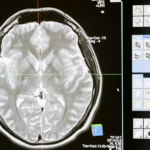
mirtazapine and alcohol effects on the brain
Daily habits can influence how mirtazapine works and how alcohol affects you. Keeping a regular sleep schedule, reducing caffeine late in the day, and avoiding late meals help the body adjust to changes. Routines support mood stability and safer choices.
Monitoring how you feel after drinking helps your clinician decide on safe limits. Keep a simple mood and sleep diary to track changes. Note headaches, confusion, or new sleep problems, and bring this information to appointments for discussion with clinicians.
Choosing to cut back or stop drinking should be done with support. Behavioral strategies, counseling, and peer groups can help. A plan that fits your daily routine and values makes success more likely, while protecting mood, sleep, and safety too.
These daily habits also support safe medication use. Avoid mixing alcohol with new doses, discuss any changes with your provider, and never adjust dose on your own. Consistent routines, clear questions, and honest reporting reduce risk during treatment for you.
These daily habits also support safe medication use. Avoid mixing alcohol with new doses, discuss any changes with your provider, and never adjust dose on your own. Consistent routines, clear questions, and honest reporting reduce risk during treatment for you.
Clinicians often monitor liver enzymes and sleep quality when patients face treatment decisions about alcohol use while on this antidepressant. If concerns arise, a doctor may adjust timing, dosing, or even suggest a pause from drinking to reduce risk in daily life routines.
People should not assume small sips are harmless. The idea of alcohol use with this antidepressant serves as a warning flag, signaling the need for individualized guidance. Each person responds differently, so discussions about limits should be ongoing during visits in daily life routines.
Conclusion: The risks of mixing mirtazapine and alcohol can vary by person, dose, and health. This article encourages informed decisions, safer habits, and ongoing dialogue with healthcare teams. Prioritizing safety protects mood, sleep, and daily functioning across treatment.
Readers should continue to communicate openly with doctors, report side effects, and share any changes in drinking plans. With careful management, people can pursue recovery goals while minimizing risks. Always seek professional advice when considering significant changes to alcohol use.
Understanding the risks of mixing mirtazapine and alcohol helps people plan. This section emphasizes practical steps that reduce harm, including checking with clinicians about dose timing, understanding side effects, and seeking urgent care if warning signs appear.
Staying informed supports safer choices. By reviewing medical histories, staying within limits, and asking questions, individuals can maintain therapy benefits while protecting daily life activities, sleep, appetite, and mood. The goal remains safe, consistent care and better outcomes for you.
Day-to-day health depends on a balance among mood, sleep, nourishment, and activity. When alcohol enters, small adjustments may help. Consistent routines, regular check-ins with clinicians, and careful monitoring of symptoms can contribute to more stable treatment journeys.
Healthy habits also include regular physical activity, hydration, and nourishment. When mood improves, patients often feel more capable of following medical advice. Maintaining a steady routine supports treatment goals and helps reduce risk of adverse events related to alcohol.
Support networks remain essential. Friends, family, or counselors can reinforce safe choices, provide accountability, and help manage cravings. With dependable support, patients are likelier to sustain healthy patterns that align with mirtazapine treatment and overall well-being.
Evidence-based guidance emphasizes that risks vary, but safety planning and medical oversight remain central. Readers are encouraged to engage in ongoing dialogue with healthcare providers, share concerns early, and pursue actionable steps that minimize harm while preserving treatment benefits.
Clinical decisions about alcohol use on mirtazapine should be reviewed with a clinician regularly. Individual health changes, new meds, and evolving mood symptoms require updated guidance. Staying proactive helps patients maintain safety and quality of life during antidepressant therapy.
Outreach and resources support informed choices. Patients can access reputable organizations, counseling options, and community programs that address alcohol use during antidepressant treatment. Connecting with trusted providers increases confidence and safety in daily life and during therapy timelines.
For many readers, a collaborative approach works best. Clinicians, patients, and families can create a plan that aligns with personal values while acknowledging the realities of mood management, sleep quality, and social opportunities that involve alcohol in everyday life.
Key Takeaways
| Takeaway | Explanation |
|---|---|
| mirtazapine and alcohol can heighten drowsiness | In some people, the combination increases fatigue and slows reactions, making daily tasks harder. |
| mirtazapine and alcohol require medical guidance | Health professionals provide personalized limits and monitoring to reduce risk during treatment. |
Frequently Asked Questions
Can I drink alcohol while taking mirtazapine?
Most doctors advise avoiding alcohol while taking mirtazapine because it can intensify drowsiness and slow reaction times. If you choose to drink, discuss limits with your clinician about mirtazapine and alcohol, and monitor how you feel, especially after the doses.
What are the main dangers of mixing alcohol and mirtazapine?
Key dangers include excessive drowsiness, slowed reflexes, impaired coordination, and dizziness. Some people may experience confusion or difficulty concentrating. Mixing alcohol with a sedating antidepressant can also intensify mood changes and provoke risky behavior, especially when driving or operating machinery.
Is there a safe amount of alcohol to drink with mirtazapine?
No safe amount exists for everyone. Individual health, other medicines, and dose affect risk. Since even small amounts can increase sedation for some people, doctors often advise limiting or avoiding alcohol entirely while starting or adjusting mirtazapine. Talk with clinician.
How does alcohol affect the efficacy of mirtazapine?
Some patients worry that mirtazapine and alcohol together may blunt therapeutic gains. Alcohol can interfere with sleep, appetite, and mood stabilization. If drinking occurs, clinicians may adjust dosing, timing, or provide additional strategies to protect the antidepressant effect during treatment.
What should I do if I accidentally drink alcohol while on mirtazapine?
First, do not panic. Note what you drank, how you feel, and when it happened. If this happens, discuss mirtazapine and alcohol with your clinician. Contact them if symptoms worsen, such as unusual drowsiness, confusion, dizziness, or trouble waking promptly.
Should I stop mirtazapine if I want to drink socially?
Stopping mirtazapine because of social drinking is not advised without medical guidance. Discuss mirtazapine and alcohol with your clinician to understand risks, possible dose adjustments, and safer options for social occasions. They can set limits, monitor side effects, and plan.
Sources
External references provide context for this article and support safety guidance. See credible information from the FDA, Mayo Clinic, NIAAA, MedlinePlus, and PsychCentral for further reading on alcohol and antidepressants.
External sources
FDA – Alcohol and Antidepressants
Mayo Clinic – Antidepressants and Alcohol
National Institute on Alcohol Abuse and Alcoholism (NIAAA)
PsychCentral – Mixing Alcohol and Antidepressants
Internal links for further reading
How long do mirtazapine side effects last?
Mirtazapine withdrawal symptoms
Sources
FDA – Alcohol and Antidepressants
Mayo Clinic – Antidepressants and Alcohol
National Institute on Alcohol Abuse and Alcoholism (NIAAA) – NIAAA
MedlinePlus – Mirtazapine
PsychCentral – Mixing Alcohol and Antidepressants