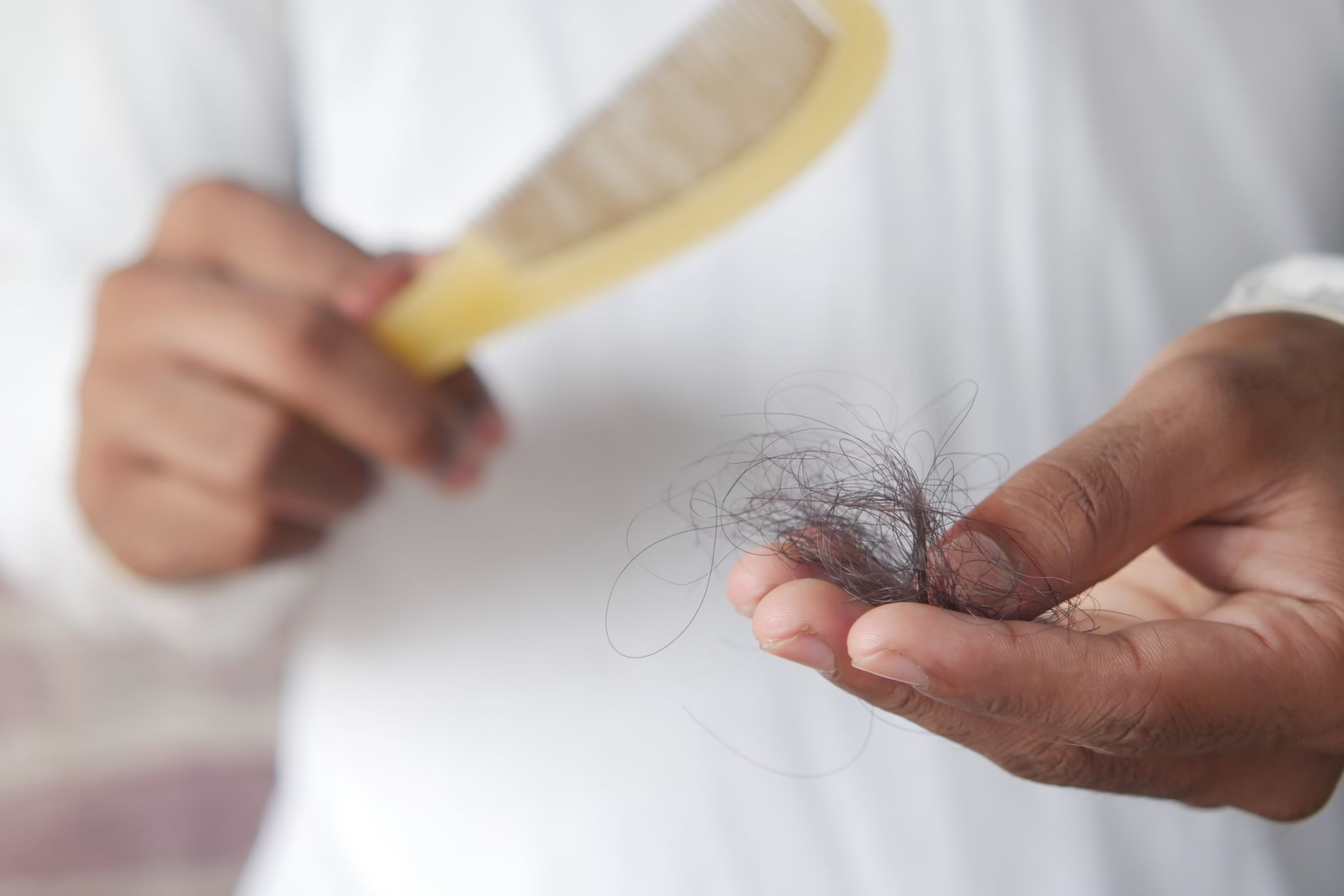
celexa hair loss is a topic many readers encounter when starting or adjusting a citalopram treatment. This article explains what hair changes can occur, how common they are, and what steps help separate myth from medical fact while protecting wellbeing.
Hair loss related to medicines is complex. It can involve shedding, thinning, or patchy areas. In many cases, changes are temporary, and hair grows back after the body adjusts or after a treatment change. This guide uses explanations and steps.
Understanding hair loss types helps patients describe changes to their clinician. Telogen effluvium involves extra shedding after stress, while some patterns resemble alopecia, where hair loss occurs in patches. Nutrition, sleep, and autoimmune factors also play roles.
Some people notice celexa hair loss after starting citalopram, but this signal is not universal. Doctors emphasize that thinning can reflect multiple triggers, including stress, sleep deprivation, or nutritional gaps, rather than a single cause. Readers should discuss symptoms with their clinician and consider mental health priorities alongside hair changes carefully.
Monitoring hair health while on therapy is sensible. Keeping notes about timing, shedding, and scalp health helps your clinician interpret whether changes align with Celexa treatment, another medicine, or a stress response. Blood tests may uncover hidden causes.
| Takeaway | Explanation |
|---|---|
| Incidence | celexa hair loss is rare and does not affect all patients; individual factors shape risk. |
| Action | If you notice celexa hair loss, speak with a clinician before altering treatment plan. |
Understanding Hair Loss
Hair loss is a common concern for many people facing health changes. In most cases, thinning can result from stress, illness, hormones, or nutrient gaps. Medicines such as antidepressants may add subtle shifts to the hair growth cycle over time.
Understanding hair loss types helps patients describe changes to their clinician. Telogen effluvium involves extra shedding after stress, while some patterns resemble alopecia, where hair loss occurs in patches. Nutrition, sleep, and autoimmune factors also play roles.
Biological factors such as genetics and hormonal changes commonly influence hair health. Age, gender, and body composition also matter. Chronic illnesses, infections, and drug interactions may create conditions that slow the growth cycle or push more hairs into shedding phases.
Some people notice celexa hair loss after starting citalopram, but this signal is not universal. Doctors emphasize that thinning can reflect multiple triggers, including stress, sleep deprivation, or nutritional gaps, rather than a single cause.
Monitoring hair health while on therapy is sensible. Keeping notes about timing, shedding, and scalp health helps your clinician interpret whether changes align with Celexa treatment, another medicine, or a stress response. Blood tests may uncover hidden causes.
People treated for mood disorders may also face hair changes from disease itself. Depression and anxiety can influence appetite, metabolism, and stress hormones, which may affect hair growth. It is important to track mood symptoms alongside physical signs.
Hormonal shifts occur with aging, pregnancy, thyroid changes, and menopause. These natural processes can complicate the response to medications. A clinician may suggest testing or adjustments to address hormonal contributors without stopping necessary treatment.
Very rarely, patients report noticeable shedding that lasts for weeks. This may prompt an evaluation of other hair loss causes, including scalp conditions, nutritional gaps, or thyroid function. In most cases, hair growth resumes after adjustments or time.
Understanding hair loss types helps patients describe changes to their clinician. Telogen effluvium involves extra shedding after stress, while some patterns resemble alopecia, where hair loss occurs in patches. Nutrition, sleep, and autoimmune factors also play roles.
Does celexa hair loss happen to everyone?
Some people notice no hair changes at all. Others experience mild thinning that comes and goes. Studies suggest hair loss with antidepressants is not universal and may depend on dose, duration, genetics, and concurrent factors rather than the drug alone.
Very rarely, patients report noticeable shedding that lasts for weeks. This may prompt an evaluation of other hair loss causes, including scalp conditions, nutritional gaps, or thyroid function. In most cases, hair growth resumes after adjustments or time.
Researchers emphasize that evidence linking celexa hair loss to the drug is limited. Case reports exist, but large controlled studies are scarce. Depression itself and other medications can influence hair health, making it hard to prove a direct cause.
Patients may worry about ongoing hair changes when starting citalopram. Clinicians balance the need for mood stabilization with potential side effects. Decisions about dose, duration, or alternative medicines should be made with careful discussion and shared decision making.
Overall, celexa hair loss appears uncommon. People who observe hair changes should monitor timing, review medications, and discuss concerns with a clinician. Avoid stopping medication abruptly, since untreated mood symptoms may cause additional health risks.
Possible mechanisms behind celexa hair loss
Researchers have proposed several hypothetical pathways, but none are fully proven. Hormonal fluctuations linked to medication can alter hair follicles. Nutritional changes caused by mood disorders or medication can also influence keratin production and follicle cycling.
Understanding uncertainty helps patients avoid assuming a medication will directly remove hair. Clinicians consider other causes, such as iron deficiency, thyroid problems, or scalp conditions, before altering a treatment plan. This approach protects both hair and mental health.
Many stories circulate online about celexa hair loss, but these reports do not prove causation. Medical science demands consistent patterns across large groups. Case anecdotes may reflect individual sensitivity, interactions, or unrelated life events that coincide with medication use.
In some cases, a clinician may balance mood stabilization with hair health by adjusting therapy plan carefully. Trials of alternative medicines require careful monitoring for mood outcomes, side effects, and hair-related changes to ensure safety and effectiveness.
Communicating celexa hair loss concerns with a clinician
Open communication helps patients participate in decisions about treatment changes. A clinician can explain likely causes, review tests, and outline timelines for potential hair regrowth. Clear questions and notes from home support productive visits and shared decisions.
Ask about possible drug interactions and non drug factors that could influence hair health. A clinician may suggest brief tests, dietary adjustments, or sleep improvements while continuing mood therapy. The goal is to protect both hair and mental wellbeing as needed.
Recognizing Symptoms & When to Seek Help
Recognizing hair changes requires careful observation and a calm approach. People notice thinning versus shedding differently. Sudden bald patches, persistent scalp irritation, or accompanying symptoms like fatigue or weight change warrant prompt evaluation by a clinician to avoid delays altogether.
Common warning signs include increasing shedding, noticeable thinning along the crown, or hair that does not regrow within several months. A doctor may examine the scalp, order blood tests, and review medications to identify modifiable factors contributing to hair loss.
Hair loss can affect esteem and social life. People often ask whether stress at work or home can worsen scalp shedding. Mental health support, sleep routines, and follow up with a clinician can help manage worry while staying track accurately.
Visitors to a clinic may wonder about the best next step. A doctor can coordinate care with dermatology or endocrinology if needed. Keeping a simple symptom diary helps both patient and provider see patterns and make informed decisions together today.
After a clear evaluation, investigators may recommend lifestyle changes, such as increasing protein or iron-rich foods, managing stress, and avoiding harsh hair treatments. These steps support growth and reduce scalp irritation while confirming appropriate medical care continues.
Managing Hair Loss Related to Celexa
Management begins with open discussion. Patients should report the timing of hair changes, current dose, and other treatments. A clinician may adjust dosage, consider switching medicines, or add supportive therapies while monitoring mood and overall health.
Adjusting therapy requires a careful plan. In some cases, a clinician can lower the dose or extend intervals between doses. If hair loss persists, alternatives such as different antidepressants or non-drug approaches can be explored with the prescriber.
Supporting hair health includes nutrition rich in protein, iron, zinc, and vitamins. Regular sleep, stress management, and gentle scalp care can help hair follicles recover. A clinician may recommend supplements only after confirming deficiencies.
Do not stop Celexa suddenly. Abrupt changes can worsen mood symptoms. Hair growth may resume after a planned change, but only under medical guidance. Do not quit without discussing risks, timelines, and monitoring with your healthcare team.
Managing mood, sleep, and stress may support hair health and overall well being for you. Some clinicians note balance between mood improvement and hair health, and stress relief may support growth.
Balancing Risks & Benefits
Healthcare decisions must balance benefits for mental health with risks for hair. celexa hair loss is mentioned by some patients, but the risk remains uncertain. Managing mood, sleep, and stress may support hair health and overall well being for you.
There is no one size fits all. Clinicians tailor plans to each person by weighing mood stabilization against potential hair changes. Regular reviews and honest reporting help keep treatment aligned with personal goals and safety needs over the long term.
Some patients experience mood improvements that reduce physical stress and improve sleep. This can indirectly support hair health and nutrition. Shared decision making ensures people understand tradeoffs, timelines, and monitoring strategies before any medication adjustments are made.
In practice, clinicians may switch to alternatives with different side effect profiles if hair changes persist. The goal remains effective mood support while minimizing burdens from physical symptoms, including changes in hair health and scalp comfort for everyday life.
Keeping expectations realistic helps. Hair growth can take months, and responses vary. The care plan should include follow-up visits, education about warning signs, and a clear path if hair changes persist or worsen during therapy.
Conclusion
Ultimately, celexa hair loss is a rare effect that should be discussed with a clinician before changing any treatment plan. celexa hair loss awareness helps patients and clinicians weigh benefits, risks, and options to support ongoing mental health care together.
Frequently Asked Questions
Does celexa hair loss occur in all users?
No. celexa hair loss is not guaranteed. It has been reported as rare, and many people on Celexa do not experience thinning. Reactions vary by person, dose, and health factors. Do not assume your experience reflects everyone else’s.
How common is hair loss with Celexa?
Evidence is limited. Case reports exist, but large studies are scarce. celexa hair loss is uncommon rather than typical. Depression, other medications, and stress also influence hair health, making precise frequency hard to pin down.
What are signs of hair loss caused by Celexa?
Watch for noticeable thinning, unusual shedding, or patches. If you see rapid changes, scalp redness, itching, or soreness, talk with a clinician. They can assess causes, adjust treatment, or consider alternatives while keeping safety first.
Can discontinuing Celexa reverse hair loss?
Stopping suddenly can cause mood problems and withdrawal symptoms. Hair growth may resume after a planned change, but only under medical guidance. Do not quit without discussing risks, timelines, and monitoring with your healthcare team.
Are there any other medications more likely to cause hair loss?
Some antidepressants show more reported hair loss than Celexa in reviews, but results vary. Your clinician can explain risks for each option, including effects on mood, sleep, and hair health. Always weigh benefits against potential side effects.
What should I do if I think Celexa is causing my hair loss?
Schedule a visit with your clinician promptly. Document timing, rate of shedding, and any scalp changes. Do not adjust dose alone, and avoid stopping therapy without guidance. A professional can determine if hair loss relates to Celexa.
Are there preventive measures for hair loss while on Celexa?
Healthy habits support hair, including balanced nutrition, gentle cleansing, and stress management. Regular medical follow ups help catch deficiencies or conditions early. Discussion about vitamins and hair-supportive practices should occur within your care plan.
Sources
Mayo Clinic – SSRI (Selective Serotonin Reuptake Inhibitors)
PubMed – Research on SSRIs and Hair Loss
Drugs.com – Celexa (citalopram) Side Effects
Internal links used in this article:
Celexa side effects in women,
Celexa insomnia,
Celexa withdrawal symptoms,
Zoloft hair loss,
Sertraline side effects.