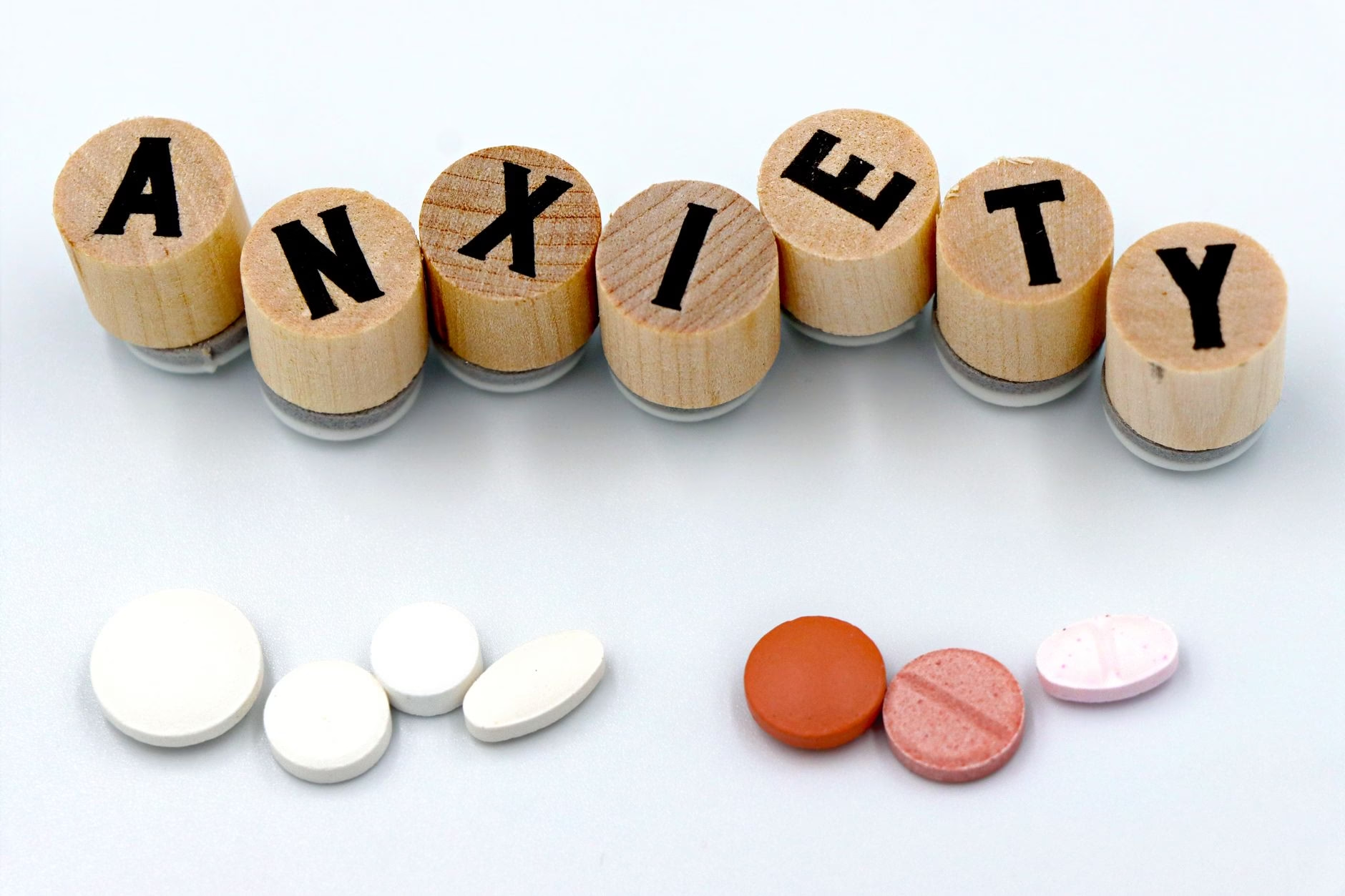
prozac for anxiety is a topic that many people seek reliable information about. This article explains how fluoxetine works, what it can do for anxiety symptoms, and how to talk with a clinician about risks, benefits, and timelines for relief.
Prozac, the brand name for fluoxetine, is a selective serotonin reuptake inhibitor. It helps brains regulate mood by increasing serotonin, a chemical that influences feelings and arousal. Doctors may prescribe it for anxiety when other approaches fall short for some.
People often ask how fast Prozac works for anxiety. The drug tends to take several weeks, with mood easing gradually. Clinicians monitor changes over time, adjusting dose if needed, and combining medication with therapy improves outcomes for many patients overall.
Safety matters with any antidepressant. When started under medical supervision, Prozac can be safe for many people with anxiety. This medicine may interact with other drugs, and some people need follow up to manage side effects, fatigue, or sleep changes.
Throughout this guide, readers will find practical explanations about how Prozac affects anxiety, what to expect during treatment, safety considerations, and options for combining therapy with pharmacology. The goal is to help you understand choices and work with clinicians effectively.
Key Takeaways
| Takeaway | Notes |
|---|---|
| prozac for anxiety may help some people with panic and generalized anxiety. | Response varies; treatment should be personalized and monitored by a clinician. |
| prozac for anxiety requires ongoing monitoring by a clinician | Adjustments and safety checks are important during the first weeks to months. |
prozac for anxiety and how it works
Fluoxetine belongs to a class of medicines called SSRIs. These drugs increase serotonin signaling in parts of the brain that regulate mood and worry. The result is a calmer baseline and reduced hyperarousal for many patients with anxiety.
In plain terms, the brain’s chemical balance shifts toward better control of stress responses. This can help a person think more clearly, respond to stress with less fear, and participate more fully in daily activities that anxiety often disrupts.
Another practical point is that Prozac does not instantly cure anxiety. It requires careful medical supervision, a plan for dose adjustments, and expectations about a gradual timeline. The timeframe for noticeable changes typically spans several weeks to months.
For people who want more context, consult credible sources on how SSRIs work in anxiety disorders and compare them with other treatment types. You can also explore the mechanism in related articles at our site’s internal resources on how Prozac works and its interactions.
Understanding the pharmacology behind Prozac helps readers assess whether this option aligns with personal goals, existing medical history, and preferences for treatment duration. It also frames conversations with clinicians about the best fit for anxiety management.
When considering alternatives, it helps to review evidence from clinical studies. For example, some patients respond well to antidepressants for panic or generalized anxiety, while others seek psychotherapy first or use lifestyle changes as foundational support. The right mix varies.
Evidence for prozac for anxiety in panic disorder and generalized anxiety
Clinical studies show benefits for several anxiety disorders when using SSRI treatment, including panic disorder and generalized anxiety. In some patients, prozac for anxiety reduces panic frequency and lowers arousal, helping daily routines proceed with less fear.
Researchers also compare SSRI options, looking at side effect profiles, tolerability, and long-term outcomes. While fluoxetine has a favorable safety record for many patients, individual responses vary and some people experience intolerance that requires dose adjustments or a switch to another therapy.
Starting prozac for anxiety: timing and dosage
Initiating pharmacologic therapy requires a careful plan. Doctors typically begin with a low daily dose and adjust gradually. It may take several weeks before mood and anxiety signs improve enough to notice meaningful change.
During the early phase, clinicians emphasize consistent daily use and regular follow-up appointments. This helps detect side effects, assess effectiveness, and decide whether to increase the dose, switch medications, or combine with psychotherapy for better results.
In starting prozac for anxiety, clinicians emphasize gradual dose changes and realistic expectations. People often need several weeks to notice improvements in worry, concentration, and physical symptoms, while fatigue or sleep changes may come and go as the body adapts.
Potential side effects and safety considerations
Like all medicines, Prozac can cause side effects. Common issues include nausea, headaches, sleep disturbances, or sexual side effects. Most improve with time, though some individuals require dose adjustments or supportive care to tolerate them.
Serious risks exist but are uncommon. Serotonin syndrome is a rare, potentially life-threatening condition that can occur when Prozac is taken with other serotonergic drugs. Seek urgent care if confusion, fever, rapid heartbeat, tremor, or muscle stiffness appear.
People with bipolar disorder or a history of suicidal thoughts need special caution. A clinician will assess risks, monitor mood changes, and plan a careful treatment strategy that weighs benefits against potential harm in each case.
Drug interactions matter. Always inform the clinician about all medicines, supplements, and herbal products. Some combinations can raise serotonin levels excessively or cause other adverse effects, so a tailored plan helps reduce risk while aiming for anxiety relief.
Safety considerations and risks
Prozac should be used under medical supervision, especially in the early weeks. Regular follow-up helps adjust dosing, monitor side effects, and ensure safety. Do not stop or alter dosage without professional guidance, as abrupt changes can worsen symptoms or cause withdrawal.
Serious interactions may occur with certain antidepressants, migraine drugs, or the herbal supplement St. John’s wort. Your clinician can review your complete medication list and counsel you on safe combinations that protect health while addressing anxiety.
Long-term use and effectiveness
Many patients experience ongoing benefits with continued dosing, though some may require periodic treatment adjustments. Long-term use often involves routine check-ins to monitor mood, anxiety levels, sleep patterns, appetite, and energy. This helps maintain gains and manage side effects.
Monitoring helps detect relapse risk or new symptoms early. People who stabilize on Prozac for anxiety frequently keep therapy or lifestyle strategies as part of a broader plan to sustain improvements over months and years.
When to seek professional help
Signs that professional care is needed include persistent or worsening anxiety despite treatment, new suicidal thoughts, or any signs of serotonin syndrome. Seek urgent evaluation if symptoms escalate rapidly, involve confusion or severe physical changes.
Regular medical oversight is essential to adjust medications safely. If concerns arise about effectiveness, side effects become intolerable, or life circumstances change, contact your clinician promptly to discuss possible changes in therapy.
Alternative and adjunct treatments
Cognitive behavioral therapy (CBT) is a cornerstone, offering practical skills to manage worry and bodily symptoms. A combination with pharmacology often yields better results than either approach alone. Lifestyle changes, such as sleep, exercise, and stress reduction, also help.
Other antidepressants or anti-anxiety medications may be considered when fluoxetine is not suitable. Each option carries its own risks and benefits. Shared decision-making with a clinician helps tailor a plan that fits medical history and personal goals.
Behavioral strategies, mindfulness, and relaxation training can complement medication. These tools support coping, resilience, and timely responses to anxiety triggers, making daily life more predictable and less reactive to stressors in work and home settings.
Conclusion
Prozac can play a role in managing certain anxiety disorders when used with care and professional supervision. Its effectiveness varies by person, and the best outcomes arise from a thoughtful plan combining medication, therapy, and healthy lifestyle choices.
Remember that treatment decisions should be guided by a clinician who can assess risks, monitor progress, and adjust therapy as needed. If you are considering Prozac for anxiety, discuss goals, timelines, and safety with a trusted health professional.
Frequently Asked Questions
Is Prozac effective for anxiety?
Yes, prozac for anxiety has shown benefits for several anxiety disorders, including panic disorder and generalized anxiety. It is not a universal cure, and individual responses vary. Many people experience relief when combined with psychotherapy and lifestyle changes.
How long does it take to work for anxiety?
Most people notice a gradual improvement after about four to six weeks of consistent use. Some individuals may begin to feel changes earlier, while others need more time or dose adjustments to achieve full effects.
What are the common side effects of Prozac?
Common side effects include nausea, insomnia, headaches, and sexual dysfunction. These effects often lessen after several weeks of use. If side effects persist or become bothersome, a clinician may adjust the dose or suggest alternatives.
Can it be used during pregnancy?
In pregnancy, the use of prozac for anxiety requires careful medical evaluation. Benefits must be weighed against potential risks. A clinician can help weigh options, including alternatives or dose adjustments to minimize risk to both mother and baby.
What should I do if I miss a dose?
Take the missed dose as soon as possible unless it is close to the next dose. Do not double up to catch up. If you miss multiple days, contact your clinician for guidance on restarting safely.
When should I see a doctor after starting Prozac?
If mood worsens, suicidal thoughts emerge, or there are signs of serotonin syndrome, seek immediate medical care. Early evaluation helps prevent harm and allows timely treatment adjustments to maintain safety and effectiveness.
Are there withdrawal or dependence concerns with Prozac?
Yes, abrupt stopping can cause withdrawal symptoms for some people. A clinician typically guides a gradual taper over weeks to months, reducing dose slowly while monitoring mood and anxiety to minimize discomfort and relapse risk.
Can Prozac be combined with therapy?
Yes. Combining pharmacology with cognitive behavioral therapy is common. Therapy helps develop coping skills, while the medication can reduce anxiety enough to practice strategies. This combination often yields better functional outcomes than either approach alone.
Sources
Credible information used to compile this article:
Internal resources
Further reading
For readers seeking broader context, these external sources offer detailed information about anxiety and pharmacologic treatment, including Prozac and related SSRIs. These links provide background without replacing medical advice.
Additional reputable resources discuss anxiety management beyond medication, including therapy modalities and lifestyle approaches that can support overall well-being during treatment.