wellbutrin hair loss has surfaced in patient reports as an item of concern for people starting Wellbutrin for depression or smoking cessation. This article explains what is known, what is not, and how clinicians balance benefits against potential hair changes.
Many people wonder if their hair will thin or shed after starting medication. In most cases, hair loss linked to medicines is temporary, and hair usually regrows after adjustments by a clinician. Understanding timing, causes, and approaches helps patients decide.
Clinicians watch for other causes of hair loss too. Stress, poor diet, hormonal changes, and scalp conditions can all contribute. A careful review of medicines, supplements, and medical history helps separate medication effects from unrelated hair shedding episodes in patients.
This article blends current medical reviews with practical guidance. It explains possible mechanisms, what to monitor, and how to discuss concerns with providers. Readers will learn about prevention steps, treatment options, and when to seek care if changes worsen, too.
By outlining risks, symptoms, and verified care paths, the article supports informed decisions. The goal is to help readers balance mental health benefits with attention to hair health, while avoiding unsupported assumptions about cause and effect throughout the journey together.
Key Takeaways
| Takeaway | Explanation |
|---|---|
| wellbutrin hair loss is uncommon | Most people tolerate Wellbutrin well; hair changes, if present, are usually temporary and may improve with medical guidance. |
| If you notice wellbutrin hair loss, seek guidance promptly | Early discussion helps rule out other causes and can guide safe adjustments without stopping treatment abruptly. |
Understanding Wellbutrin (Bupropion)
Understanding Wellbutrin begins with its role as a prescription antidepressant and aid for smoking cessation. Bupropion acts on several brain chemicals, which can improve mood and motivation. It is different from many other antidepressants in its mechanism.
Some patients report wellbutrin hair loss, though rates are low and often temporary. The side effects commonly include sleep changes, dry mouth, and headaches, with hair changes being less frequent. Individual responses vary, underscoring the need for personalized care.
Clinicians tailor recommendations to each patient, balancing benefits with potential risks. If you want examples from our site, there are pages that describe common side effects and when to seek care. Supportive guidance helps people feel more confident in their treatment choices.
Understanding dosing, monitoring, and potential interactions with other medicines is important. When doctors discuss Wellbutrin, they explain how dose changes can influence mood symptoms and side effects. Regular follow-up helps identify any hair-related concerns early.
Some research suggests hair loss related to medications is often telogen effluvium, a temporary shedding from stress on follicles. If this occurs with wellbutrin hair loss, doctors may adjust dose or monitor nutrition to support hair resilience.
Many people see hair regrowth after weeks to months when the underlying cause is addressed. Patience matters, because hair cycles vary. While waiting, individuals can focus on scalp care and a balanced diet to support follicles.
Discussing potential dose changes or alternatives requires a healthcare team. Some patients consider switching medications if hair loss continues. Always do this under medical supervision to protect mood symptoms and avoid sudden withdrawal.
Hair Loss & Medications: What’s the Connection?
Medication-induced hair loss is not unique to Wellbutrin. Other antidepressants, thyroid medicines, and anti-inflammatory drugs have been linked with shedding or thinning in some people. Hair loss patterns can differ; some people notice hair thinning across the scalp, while others experience patches.
Telogen effluvium is the most common pattern when medications play a role. It occurs when hair follicles enter a resting phase after a stressor, leading to shedding several weeks later. This type of shedding typically reverses after the stressor is removed or managed.
Nutrition, sleep, and stress all influence hair health. When a person begins Wellbutrin, clinicians assess these factors and may offer guidance on meals rich in iron, zinc, and protein. They may also suggest strategies to reduce cortisol spikes that can affect hair growth.
In addition to medication effects, other factors like hormonal changes, aging, and scalp conditions can produce similar appearing hair loss. A healthcare team often conducts a comprehensive review of symptoms, laboratory tests if needed, and an assessment of lifestyle factors to pinpoint likely causes.
To illustrate, a person who experiences shedding while taking Wellbutrin might have had a concurrent iron deficiency or thyroid imbalance. In such cases, improving nutrition or treating an underlying condition, rather than stopping the antidepressant abruptly, can help hair health alongside mood stabilization.
For readers seeking more on hair and medications, our internal pages cover how different drugs relate to hair health and what patients can do to support scalp care while maintaining essential treatments.
Does wellbutrin hair loss occur? What clinicians note
Clinical observations show that hair changes from Wellbutrin are uncommon and usually reversible. The timing, pattern, and accompanying symptoms help clinicians distinguish medication effects from other hair loss causes. A careful history remains key to accurate interpretation.
Telogen effluvium remains a common explanation when hair loss is related to medicines. In many cases, the shedding is temporary, with regrowth occurring as the hair cycle resumes its normal pattern after the body adapts to the medication.
Health care providers emphasize the importance of not stopping Wellbutrin suddenly. Abrupt changes can worsen mood symptoms and complicate management. If hair thinning occurs, clinicians may consider dose adjustment, supportive therapies, or a switch to another medication under close supervision.
The pattern of wellbutrin hair loss is often telogen effluvium, appearing weeks after starting medication and affecting the scalp evenly. This pattern can be tricky to separate from stress or nutritional causes, but a clinician can guide appropriate investigations and next steps.
wellbutrin hair loss: possible mechanisms
The exact mechanisms linking Wellbutrin to hair changes are not fully understood. Some theories focus on how neurotransmitter levels may influence the body’s stress response and follicle biology. Others consider nutritional absorption or microcirculation effects.
One widely considered idea is that a temporary shift in hormonal or metabolic balance during the early weeks of treatment could influence hair cycles. These theories remain speculative, so clinicians rely on symptom patterns, timelines, and medical history to guide decisions.
Research indicates that hair loss can be multifactorial. Even when patients report wellbutrin hair loss, other contributing elements may be present, including diet, sleep quality, hormonal fluctuations, anemia, or thyroid issues. A holistic approach helps identify the dominant drivers.
wellbutrin hair loss and management: questions for your doctor
When faced with hair changes, patients should discuss several practical questions with their clinician. They may ask about signal timing, the possibility of telogen effluvium, and whether a small dose adjustment could help address symptoms.
Other important questions cover how long symptoms might last, what tests or evaluations are needed, and whether nutritional support could assist the hair while staying on Wellbutrin. Shared decision-making supports safer, more personalized care.
Patients may also ask about alternative therapies or medications if hair loss persists. A clinician can explain the risks and benefits of staying on Wellbutrin, switching to another drug, or adding non-prescription measures that support hair health during treatment.
Supportive Medical Facts
Research on Wellbutrin and hair health includes limited controlled studies and many case reports. Systematic data are sparse, making causality difficult to prove. Nevertheless, clinicians acknowledge that hair changes occur in some patients and require careful evaluation.
Differences in individual reactions are common with any antidepressant. Some people tolerate Wellbutrin without hair changes, while others notice thinning or shedding that prompts discussion with a clinician about potential causes and management strategies.
When hair loss is not clearly linked to medication, clinicians may explore nutritional status, thyroid function, iron stores, and zinc levels. Addressing these factors can improve overall health and may support hair regrowth independent of mood-related symptoms.
Supportive evidence suggests some patients experience thinning or shedding after starting Wellbutrin, but robust studies remain limited. Causality is difficult to establish due to the many interacting factors that can influence hair health and the natural cycles of hair growth.
For those seeking more specific data, we point to major health resources that discuss drug safety, side effects, and risk management. These sources provide context for understanding how Wellbutrin fits into a broader picture of hair health and pharmacology.
Symptoms and Recognition
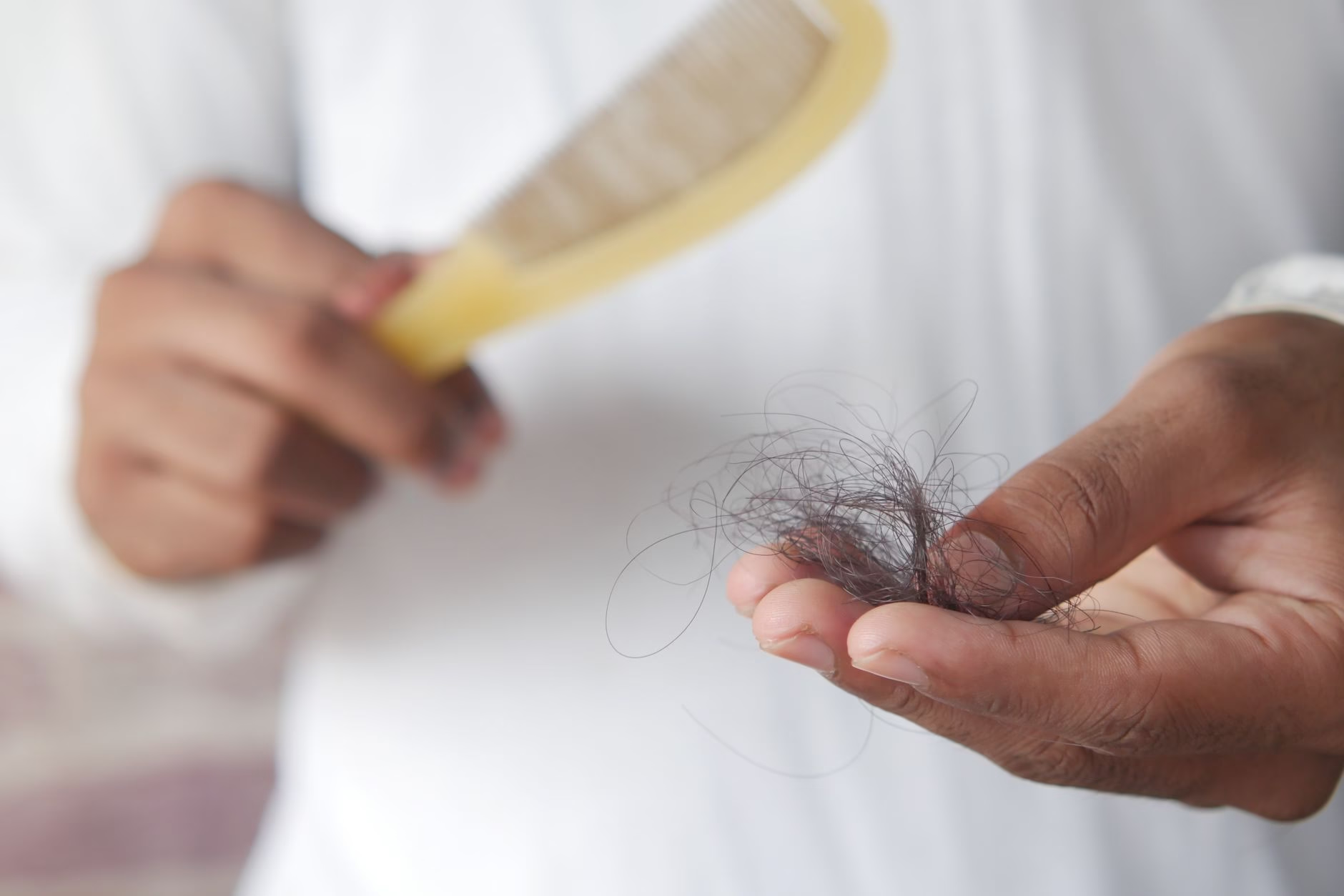
Symptoms of medication-related hair loss often include noticeable thinning across the scalp, shedding when brushing or washing, or patchy areas that seem thinner than surrounding hair. The onset typically follows weeks to a few months after starting therapy.
Distinguishing drug-related hair loss from other causes requires a careful history and examination. Clinicians look for timing related to starting or adjusting medications, assess nutritional status, and consider hormonal changes or scalp conditions like dermatitis.
Not all shedding is alarming. Hair has natural cycles, and temporary shedding can occur after physical or emotional stress. A clinician helps determine whether hair changes align with a medication event or reflect other health concerns needing treatment.
Prevention and Management
Preventing hair loss while on Wellbutrin involves overall health strategies. A balanced diet with adequate iron, zinc, and protein supports hair follicles. Regular sleep and stress-management practices also reduce the chance of telogen-related shedding.
Scalp hygiene and gentle hair care protect fragile hair during periods of change. Using mild shampoos, avoiding tight hairstyles, and limiting heat styling can minimize additional breakage and stretch the hair shaft, preserving hair thickness during treatment.
Wellbutrin users should discuss any supplementation with a clinician. Some vitamins or minerals could interact with medications or cause unintended effects. A care plan may include lab work to assess nutritional status and targeted strategies to support hair health.
When hair loss occurs, early steps matter. A clinician might adjust the dose, switch medications, or add interventions such as topical therapies or nutritional support. The goal is to maintain mood stability while reducing hair shedding and encouraging regrowth where appropriate.
Diagnosis and When to Seek Help
Diagnosis usually begins with a clinician review of medication history and recent changes. A physical exam helps identify shedding patterns and scalp conditions. In some cases, blood tests check for anemia, thyroid disease, or nutrient deficiencies.
Seek professional care if hair loss worsens, lasts for months, or is accompanied by redness, scalp swelling, or skin changes. Severe shedding, crusting, or itching may signal dermatitis or an allergic reaction requiring prompt evaluation.
Never stop Wellbutrin abruptly without medical guidance. Stopping suddenly can worsen depression symptoms or trigger withdrawal effects. If hair changes are suspected, a clinician can outline a safe plan that preserves mental health while addressing hair concerns.
Treatment Options
Treatment decisions depend on the likely cause and the patient’s clinical goals. Options include adjusting Wellbutrin dosage under supervision, switching to another antidepressant, or adding supportive measures like targeted nutrition and topical therapies.
Topical options for hair health may include gentle shampoos, minoxidil under medical guidance, or scalp-focused therapies. Clinicians weigh benefits against potential interactions and side effects to determine the safest approach for each person.
Non-pharmacologic strategies—such as stress management programs, exercise routines, and adequate sleep—support overall well-being and can indirectly benefit hair health. A coordinated plan with a clinician helps maximize mood benefits while protecting hair integrity.
Safety and Precautions
Avoid abrupt changes in medication without a clinician’s input. Stopping Wellbutrin suddenly can worsen mood symptoms and complicate hair-related concerns. Any dose adjustments should be guided by a healthcare professional with careful monitoring.
Watch for signs of allergic reactions or unusual skin changes, such as redness, swelling, or severe itching. Seek immediate care if these occur. Always discuss any new symptoms with a clinician to ensure safe management.
Readers should also consider the overall safety profile of Wellbutrin, including potential interactions with alcohol, other medicines, or supplements. Medication safety requires ongoing communication with healthcare providers about all substances being used.
Conclusion
Wellbutrin can be an effective treatment for mood and activity changes when used under professional supervision. Hair changes are possible but not universal, and most cases are reversible with appropriate medical guidance. The key is thoughtful monitoring and clear communication.
Patients are encouraged to discuss concerns openly with their doctors, ask questions, and seek timely evaluations if hair changes occur. Adhering to medical advice while maintaining healthy lifestyle habits supports both emotional health and hair health over time.
With informed decisions and careful care, people can pursue the benefits of Wellbutrin while minimizing worries about hair health and staying safe. This balanced approach helps individuals maintain well-being and confidence as they continue treatment.
Frequently Asked Questions
Does Wellbutrin cause hair loss?
Hair loss on Wellbutrin is not common and is not experienced by everyone. Some patients report thinning or shedding, but solid, large-scale evidence remains limited. Individual factors and other health issues may influence the outcome.
How common is hair loss with Wellbutrin?
Hair loss with Wellbutrin is considered uncommon. Many people continue the medication without noticeable changes. When hair changes occur, they are often temporary and may improve with medical guidance or dose adjustments.
Can I prevent hair loss while on Wellbutrin?
Preventing hair loss involves good nutrition, stress management, and regular medical check-ins. Discuss any concerns before starting therapy, and avoid changing doses without a clinician’s guidance. A well-planned approach can reduce risk for some patients.
What should I do if I notice hair thinning while taking Wellbutrin?
Contact your healthcare provider to discuss symptoms before making changes. They may review medications, look for other causes, and consider adjustments to dose, timing, or additional therapies that support hair health.
Is hair loss from Wellbutrin reversible?
Usually yes, especially if identified early. Hair regrowth often occurs after adjusting therapy under medical supervision or when the body recovers from a temporary stress response. Individual results vary and depend on multiple factors.
Are there other side effects related to hair loss I should watch for?
Watch for scalp inflammation, redness, patchy hair loss, or severe shedding. These signs may indicate an underlying scalp condition or an allergic reaction, which warrants prompt consultation with a clinician.
Can switching medications reduce hair loss?
Alternatives might be considered if hair loss is persistent or problematic, but changes should occur only under medical supervision. A clinician can discuss risks, benefits, and strategies to protect mood while addressing hair concerns.
When should I seek professional medical care for hair loss?
If hair loss worsens, lasts for several months, or accompanies other symptoms, seek professional care. A thorough evaluation helps rule out other causes and determines an appropriate treatment plan.
Sources
Credible health information that supports the discussion in this article includes official safety data, patient education resources, and clinical guidelines. The following sources provide broader context for Wellbutrin’s safety and hair health considerations.
Additional Context and Internal Links
Internal pages offer focused discussions on Wellbutrin and related topics, helping readers connect symptoms with care plans. For example, readers may explore Wellbutrin side effects in women to understand gender-specific considerations.
Internal resources also cover Effexor-related issues and withdrawal symptoms, which can overlap with hair health discussions in complex cases. These pages help readers see how different medications can interact with overall well-being.
Readers are encouraged to review our internal materials and speak with their clinicians about how any medication choice relates to hair health, nutrition, and stress management strategies that support long-term wellbeing.
Sources listed above are complemented by targeted external references. Together, they frame a practical approach to hair health in the context of Wellbutrin therapy, emphasizing safety, monitoring, and collaborative decision-making with healthcare professionals.