remeron hair loss is a concern many patients mention when discussing antidepressants. This article explains how Remeron works, what evidence exists about hair changes, how doctors assess risks, and how to manage them. It offers steps for monitoring on therapy.
Remeron, also called mirtazapine, is used for depression and sometimes anxiety or sleep problems. Many people tolerate it but side effects can appear. Hair changes are rarely reported, yet patients ask about patterns, timing, and remedies with safety in mind.
This article examines whether remeron hair loss is a recognized effect, what research shows about its frequency, and how clinicians distinguish rare drug-related changes from hair loss due to genetics, stress, illness, or other medicines in everyday care. for patients.
Readers will see science explained in plain terms, practical steps to track hair health, and caution about signs that require medical review. The focus remains on safe use of Remeron while seeking balanced care for mood, sleep, and overall wellbeing.
To help readers, the article covers common questions about hair loss, its patterns, and when to act. It also explains how to discuss Remeron changes with a doctor and what tests or records may help in decision making for you.
| Takeaway | Explanation |
|---|---|
| remeron hair loss is rare, but monitor changes. | Most people on Remeron do not experience hair loss, but occasional reports exist and are best evaluated with medical guidance. |
| remeron hair loss should be reviewed with a clinician to assess causes. | Personal factors such as genetics, stress, thyroid issues, or other medicines can contribute to hair health; professional evaluation helps identify the real cause. |
Does remeron hair loss occur?
Clinical data show that hair loss is not a common side effect of Remeron, and reports are relatively rare. Researchers note that antidepressants can influence hair health through multiple pathways, but the exact mechanism for remeron hair loss remains unclear and not consistently reproduced in trials.
In practice, clinicians emphasize that many factors influence hair growth, including genetics, nutrition, illness, and other medications. When hair loss occurs during Remeron use, doctors look for patterns such as timing related to dose changes or concurrent health issues. External factors may play a larger role than the drug itself in some patients.
Evidence from patient reports and pharmacovigilance databases suggests that remeron hair loss is possible but uncommon. Providers often document this side effect only after ruling out thyroid disorders, iron or vitamin deficiencies, and recent stress or illness. The overall risk remains low.
Understanding the context helps patients discuss concerns with their clinician. If hair loss is noticed, medical history review, a physical exam, and sometimes blood tests are used to examine thyroid function and nutritional status. This approach helps distinguish treatment-related changes from other causes.
Understanding remeron hair loss patterns
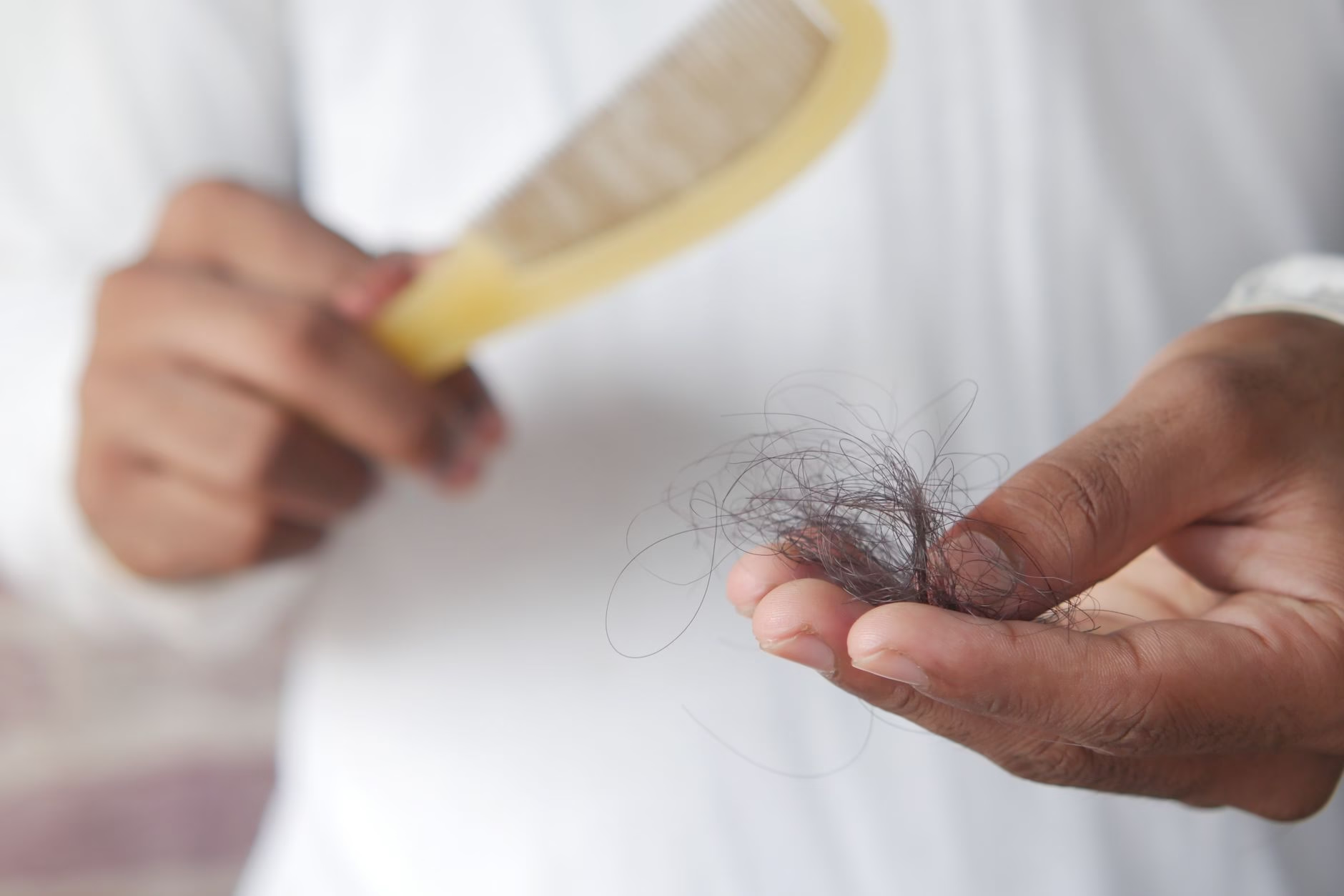
Patterns of hair loss can vary widely among individuals. Some people notice diffuse thinning across the scalp, while others report patches or shedding during combing or washing. Dermatologists assess whether patterns align with common hair disorders or medication effects.
Pattern recognition aids decision making. If hair thinning follows starting Remeron, or if it worsens after dose adjustments, clinicians may consider evaluating alternatives or adding supportive treatments. Patients may also experience scalp irritation or itching that signals separate issues.
When hair loss is linked to Remeron, it often appears after weeks or months of use rather than overnight. This timing helps differentiate a medication effect from acute stress or sudden illness. Clinicians may suggest gradual monitoring and follow-up tests as needed.
Evaluating remeron hair loss in context of safety and care
Assessing safety and care involves a clear view of benefits and risks. If hair loss is mild and mood symptoms improve, doctors may prefer continuing therapy with close observation. If concerns persist, dose adjustments or switching medications could be discussed.
Care plans often include personalized recommendations for hair care and nutrition. Some patients benefit from gentle scalp massage, proper sleep, and reduced heat styling. Clinicians may also explore supportive products, environmental factors, and stress management strategies that support overall hair health.
Patients should not stop Remeron suddenly. Any change in medication should be guided by a clinician, as abrupt withdrawal can cause withdrawal symptoms or mood changes. Open communication with the care team helps ensure safety while exploring options.
Differentiating Medication Effects from Other Causes
Many factors contribute to hair health, including genetics, hormonal balance, and nutrition. Even when hair loss occurs, it is important to determine if Remeron may play a role or if other factors are more likely responsible. Doctors review history carefully.
Thyroid problems, iron deficiency, and vitamin deficiencies are common non-drug causes of hair changes. Stress, infections, and chronic illnesses can also affect the scalp. The goal is to identify the true driver and tailor care to protect overall health as hair grows back if possible.
Some medications beyond Remeron can influence hair growth, including those used for blood pressure, acne, or fertility. A clinician may assess potential interactions or overlapping side effects. In complex cases, a team approach ensures all factors are considered.
Patients may receive guidance about safe lifestyle adjustments while undergoing evaluation. Nutritional counseling, sleep hygiene, and stress reduction strategies are useful regardless of the hair loss cause. These steps promote well-being and can help hair recovery alongside medical care.
Symptoms and Identification of Hair Loss
Recognizing signs early helps people seek care when needed. Common symptoms include thinning hair, more shedding than usual, visible scalp areas, and sudden changes after starting therapy. Some patients notice patches rather than diffuse thinning, which may suggest different conditions.
Documenting patterns, timing, and associated symptoms is helpful. Note any itchy or red areas, which could imply dermatitis or infection. A detailed diary of hair loss events, diet, medications, and stress levels aids clinicians during evaluation.
Physical examination often begins with a scalp check to rule out infections, inflammatory conditions, or scarring. Blood tests may be ordered to assess thyroid function and nutritional status. An assessment of medication history helps determine possible drug-related factors.
Prevention and Management
Maintaining a balanced diet rich in iron, zinc, and vitamins supports hair health. Regular meals, hydration, and a variety of fruits and vegetables help minimize nutritional gaps that might contribute to hair changes while on Remeron.
Stress management plays a key role in hair maintenance. Mindfulness, gentle exercise, and adequate sleep can reduce factors that worsen shedding. Limiting harsh chemical treatments and heat styling protects vulnerable hair and scalp over time.
Regular medical checkups are important. A clinician can monitor thyroid function, nutritional markers, and overall health. If a medication change is needed, doing so under supervision reduces risk and supports continued mood and sleep improvements.
Treatment Options for Hair Loss
Medical therapies may help some people, but options differ. Topical minoxidil is commonly used for hair growth, while prescription agents like finasteride are generally considered for specific patterns. A clinician decides what is appropriate based on individual needs.
Hair restoration techniques exist for select cases, including procedures that transplant hair to areas of thinning. These options require careful discussion of risks, costs, and realistic results. Patients should base decisions on medical advice and personal goals.
Addressing underlying health issues improves outcomes. If nutritional or endocrine problems are identified, treating those can support hair regrowth. In some cases, adjusting Remeron under medical guidance helps balance mood benefits with hair health concerns.
Additionally, scalp care and gentle hair practices reduce mechanical stress. Using mild shampoos, avoiding tight hairstyles, and minimizing aggressive brushing contribute to a healthier environment for hair to grow. These practices complement medical strategies for best results.
When to Seek Professional Care
Seek care if hair loss is sudden, severe, or accompanied by scalp redness, swelling, or pain. Quick assessment helps identify serious conditions and prevents unnecessary worry. If changes persist after starting Remeron, consult a clinician for guidance.
Important signs include persistent shedding after weeks or months of therapy, new patchy areas, or hair that does not regrow with standard measures. A clinician can perform targeted tests and adjust treatment plans to support safety and well-being.
Early involvement of a healthcare team is beneficial, especially when mood symptoms are present. They can coordinate care with dermatology, nutrition, and primary care to ensure a holistic approach that respects both mental health and hair health goals.
Conclusion
In summary, remeron hair loss is a rare event that clinicians seldom see in practice. Understanding the factors that influence hair growth helps people discuss concerns openly with their doctors and avoid unnecessary changes to mood or sleep treatment.
Patients should seek accurate information, track patterns, and rely on medical advice when hair changes appear. Open communication with the care team supports informed decisions about continuing Remeron and pursuing appropriate hair health strategies, including lifestyle adjustments and targeted therapies to address remeron hair loss concerns.
Ultimately, the goal is to maintain mood stability and sleep quality while protecting hair health. With careful monitoring, collaboration with clinicians, and evidence-based care, most people can manage hair changes without compromising overall well-being or treatment success. remeron hair loss should be discussed early to ensure safe choices for you.
Frequently Asked Questions
Does remeron hair loss commonly occur?
Hair loss is considered a rare side effect of Remeron. Most people do not experience this issue, and reports are limited. Clinicians emphasize assessing other factors such as stress, nutrition, and other medications before attributing changes to Remeron.
Can taking Remeron lead to sudden hair thinning?
Sudden hair thinning is not typical, but it can occur in rare cases. If someone notices rapid shedding after starting Remeron or increasing the dose, they should contact a healthcare provider promptly for evaluation and guidance.
What are the signs that my medication may be causing hair loss?
Persistent or worsening thinning after starting or adjusting Remeron suggests a possible link. Providers look for timing patterns, correlate with other symptoms, and rule out non-drug causes before determining how to proceed.
Is hair loss from Remeron reversible?
In many cases, hair loss improves after adjusting or stopping the medication under medical supervision. Individual responses vary, and other factors may still influence hair growth. A clinician can guide whether to switch therapies or pursue treatments.
Are there particular groups more prone to hair loss from antidepressants like Remeron?
People with a family history of hair loss or scalp conditions may have higher risk. Age, gender, and overall health can also influence vulnerability, making personalized assessment essential for informed decisions about therapy.
What should I do if I think Remeron is causing my hair loss?
Talk to your healthcare provider before making changes. They may adjust the medication, explore alternative antidepressants, or recommend hair growth strategies. Do not stop Remeron abruptly without medical guidance to avoid withdrawal effects.
Can lifestyle or diet changes help reduce medication-related hair loss?
Yes. A balanced diet, stress management, and gentle hair care can support scalp health. Adequate sleep and avoiding harsh treatments reduce factors that contribute to shedding, complementing medical strategies for hair regrowth where appropriate.
When should I seek medical advice for hair loss while on Remeron?
If hair loss is sudden, severe, or accompanied by scalp redness, itching, or pain, seek medical advice promptly. If it persists after stopping Remeron, professional evaluation is important to understand causes and next steps.
Are there reliable resources to learn about Remeron side effects?
Yes. Reputable sources from regulatory agencies and medical organizations provide guidance on Remeron and its effects. Always review information with a clinician to ensure it fits your health situation and medications.
Do clinicians ever advise stopping Remeron for hair loss alone?
Discontinuing Remeron solely for hair loss is not common. Doctors weigh mood benefits against side effects and may suggest dose adjustments, alternative therapies, or supportive hair care rather than abrupt changes to treatment.
Sources and further reading can help readers verify information and discuss concerns with their clinicians. For a concise overview of medication safety and hair health, refer to the official materials from regulatory agencies and respected medical centers. Internal resources support patient education and shared decision making.
Credible external resources include guidance from the FDA, NIH MedlinePlus, Mayo Clinic, American Academy of Dermatology, and Medscape. These sources offer detailed information about antidepressants, hair loss, and safe care practices, helping readers make informed decisions and discuss options with their providers.
Internal articles on Remeron side effects, withdrawal symptoms, interactions, coming off Remeron, and dosage considerations supplement this guide. These materials provide context for readers exploring how Remeron fits into a broader plan for mood, sleep, and hair health management.
In closing, patients should approach Remeron with a balanced view of benefits and potential risks. Ongoing communication with healthcare teams supports stable mood and healthy hair, ensuring care is personalized, evidence-based, and aligned with each person’s goals.
Sources: FDA, NIH MedlinePlus, Mayo Clinic, American Academy of Dermatology Association, Medscape.
Internal resources: Remeron side effects in women, Remeron withdrawal symptoms, Remeron interactions, Coming off Remeron, Remeron dosage.