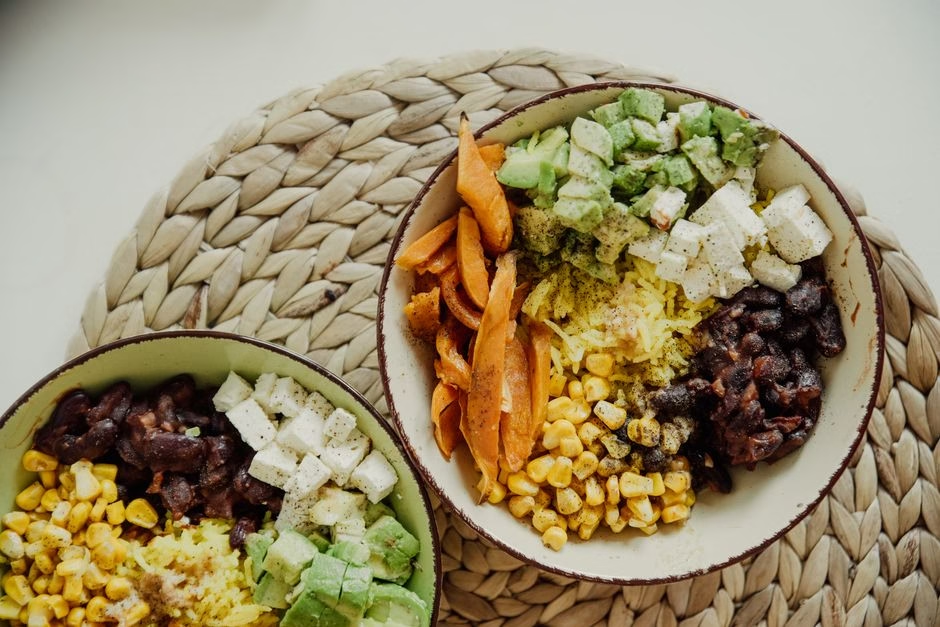
When we talk about inflammation in the context of food, it is important to first understand what that actually means. Inflammation is a natural part of your body’s defense system. It is how your immune system responds to injury, infection, or irritation. However, when this response becomes chronic, it can be taxing on the body. Many people find that by adjusting their daily food choices, they feel more energized and comfortable in their own skin. The good news is that adopting an anti-inflammatory way of eating doesn’t require a culinary degree or a pantry full of expensive, exotic ingredients.
Understanding the Anti-Inflammatory Approach
At its core, an anti-inflammatory approach to food is about prioritizing whole, unprocessed ingredients that provide your body with the fuel it needs to function optimally. It is less about strict restriction and more about adding beneficial items to your plate. Many experts in the field of Nutrition & Diet suggest that focusing on vibrant, plant-based foods—like colorful vegetables, fruits, nuts, seeds, and healthy fats—is the most sustainable way to nourish yourself. These foods are rich in antioxidants and phytonutrients, which help the body manage its natural inflammatory processes.
It is important to remember that dietary changes are just one piece of the puzzle. Incorporating Exercise & Fitness into your routine and prioritizing Stress Management are equally vital for maintaining a balanced internal environment. If you have specific health concerns or are managing chronic conditions, it is always a wise idea to speak with your primary care physician or a registered dietitian before making significant changes to your lifestyle. They can provide personalized guidance tailored to your specific needs.
The Building Blocks of Easy Meals
For beginners, the best approach is to start small. Instead of overhauling your entire kitchen overnight, focus on simple swaps. The foundation of any anti-inflammatory meal is usually a combination of complex carbohydrates, lean protein, and healthy fats. Think of these as your building blocks. For instance, instead of reaching for highly processed snacks, try keeping a bowl of walnuts or almonds on your counter. These are excellent sources of omega-3 fatty acids, which are widely recognized as beneficial components of a balanced eating plan.
Vegetables should take center stage in most meals. Dark, leafy greens like kale, spinach, and Swiss chard are packed with vitamins and minerals. Berries, such as blueberries, strawberries, and raspberries, are small but mighty additions that provide a sweet treat while offering significant nutritional value. When it comes to cooking fats, olive oil is a staple in many kitchens because of its heart-healthy properties. By keeping these basics on hand, you can whip up a nourishing meal in minutes without needing a complex recipe.
Simple Breakfast Ideas to Start Your Day
Breakfast is often the meal where people find it hardest to stay consistent. If you are used to sugary cereals or pastries, the transition to something more nutrient-dense might feel daunting. However, it can be quite easy. One of the simplest options is a bowl of oatmeal topped with fresh berries and a sprinkle of chia seeds or ground flaxseeds. Oats provide fiber, which is great for digestion, while the berries add natural sweetness and antioxidants.
If you prefer something savory, consider a scramble with spinach, tomatoes, and a little turmeric. Turmeric is a vibrant yellow spice that has been used for centuries and is often discussed in the context of herbal traditions, though in the kitchen, it adds a warm, earthy flavor to eggs or roasted vegetables. Another great option is a smoothie. You can blend a handful of spinach, a frozen banana, a scoop of almond butter, and some unsweetened almond milk. It is quick, portable, and helps you get a serving of greens before your day really begins.
Lunch and Dinner: Keeping it Fresh and Fast
For lunch, salads are a classic, but they don’t have to be boring. The trick is to add variety so you don’t get tired of the same flavors. Start with a base of mixed greens or arugula, add a source of protein like canned chickpeas or grilled chicken, and toss in some chopped cucumber, cherry tomatoes, and feta cheese. Drizzle with a simple dressing of olive oil and lemon juice. This combination is refreshing, filling, and takes very little time to assemble.
Dinner should be relaxing, not a source of stress. Sheet pan meals are a beginner’s best friend. You can take a variety of vegetables—such as broccoli, bell peppers, and zucchini—toss them with olive oil, garlic, and dried herbs, and roast them in the oven alongside a piece of salmon or tofu. The salmon provides essential fatty acids, while the vegetables provide the fiber and nutrients your body loves. Because everything cooks on one pan, cleanup is minimal, making it easier to stick to your goal of eating well even on busy weeknights.
Smart Snacking and Hydration
Snacking is often where we encounter the most processed foods. By being mindful about what you keep in your pantry, you can make better choices naturally. Hummus with sliced carrots or bell peppers is a fantastic, crunchy snack that keeps you satisfied between meals. Apple slices with a spoonful of almond butter are another quick favorite. These snacks provide a good balance of protein and healthy fats, which helps keep your blood sugar stable throughout the day.
Hydration is another critical aspect of physical wellness that is often overlooked. While water is always the best choice, you can also enjoy herbal teas. Whether it is ginger tea, which is known for its soothing properties, or green tea, which is rich in antioxidants, these beverages can be a relaxing part of your daily routine. Staying well-hydrated helps every system in your body work more efficiently, from digestion to cognitive function.
Common Pitfalls and How to Avoid Them
One of the most common mistakes beginners make is trying to be perfect. You do not need to eliminate every single processed food from your life to see a difference in how you feel. In fact, an overly restrictive approach can often lead to burnout. Instead, aim for the 80/20 rule: focus on nutrient-dense, whole foods 80% of the time, and allow yourself the flexibility to enjoy other foods the rest of the time. This helps you build a healthy relationship with food that lasts a lifetime.
Another pitfall is feeling overwhelmed by grocery shopping. You do not need to shop at specialty stores or buy expensive organic produce if it doesn’t fit your budget. Frozen fruits and vegetables are just as nutritious as fresh ones because they are picked at the peak of ripeness. They are often more affordable and convenient, as they are already washed and chopped, saving you precious time in the kitchen. Don’t be afraid to utilize your freezer to make healthy eating easier.
Building Consistency Over Time
Consistency is the secret ingredient to any lasting change. Rather than trying to master five new recipes in one week, start by mastering one or two. Once you feel comfortable making a specific salad dressing or a simple roasted vegetable dish, it becomes part of your routine. Eventually, these healthy habits become second nature. You will find that you don’t have to think about it as much; you simply reach for the healthier option because you know it makes you feel better.
Remember that your journey is your own. There is no right or wrong way to start, as long as you are moving in a direction that feels good to you. If you have a day where you don’t eat as well as you intended, that is perfectly okay. Tomorrow is a new day with new opportunities to make choices that support your overall health. Being kind to yourself is just as important as the food on your plate.
Seeking Professional Guidance
While general information about food and wellness is helpful, it is important to remember that everyone has unique biological needs. If you are experiencing symptoms like persistent joint pain, fatigue, or digestive issues, it is essential to consult with a healthcare provider. They can help you determine the root cause of your concerns and ensure that any changes you make are safe and appropriate for your health history. They may also refer you to a registered dietitian who can help you create a meal plan tailored to your lifestyle.
In addition to dietary guidance, medical professionals can help you look at the bigger picture of your health. They can evaluate your current activity levels, discuss your sleep quality, and offer support for any underlying conditions. Relying on professional expertise ensures that you are making decisions based on your individual medical profile, rather than general advice found online. Your health is a long-term investment, and having a supportive team of professionals is the best way to protect that investment.
Conclusion: Your Path to Wellness
Embracing an anti-inflammatory way of eating is a gentle, rewarding process that focuses on abundance rather than deprivation. By filling your kitchen with simple, whole foods like vegetables, fruits, healthy fats, and lean proteins, you are providing your body with the building blocks it needs to thrive. It is not about achieving perfection, but about making small, consistent choices that add up over time. As you begin to experiment with new flavors and easy recipes, you will likely find that eating well becomes one of the most enjoyable parts of your day.
Take it one step at a time, stay curious, and listen to your body. Whether you are prepping a simple breakfast bowl, roasting a tray of colorful vegetables, or just enjoying a quiet cup of tea, every small choice is a step toward supporting your long-term wellness. With a bit of patience and a focus on simple, delicious ingredients, you can build a sustainable routine that helps you feel your best, day in and day out.
This article is for general educational purposes and is not a substitute for professional medical advice. Always consult a qualified healthcare provider about your individual health needs.