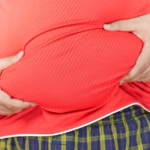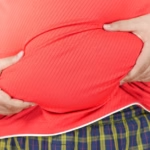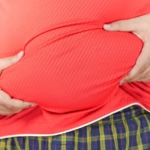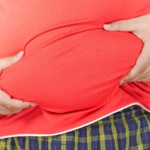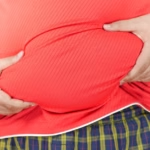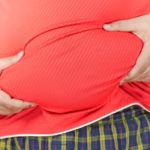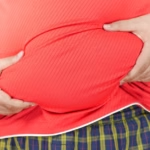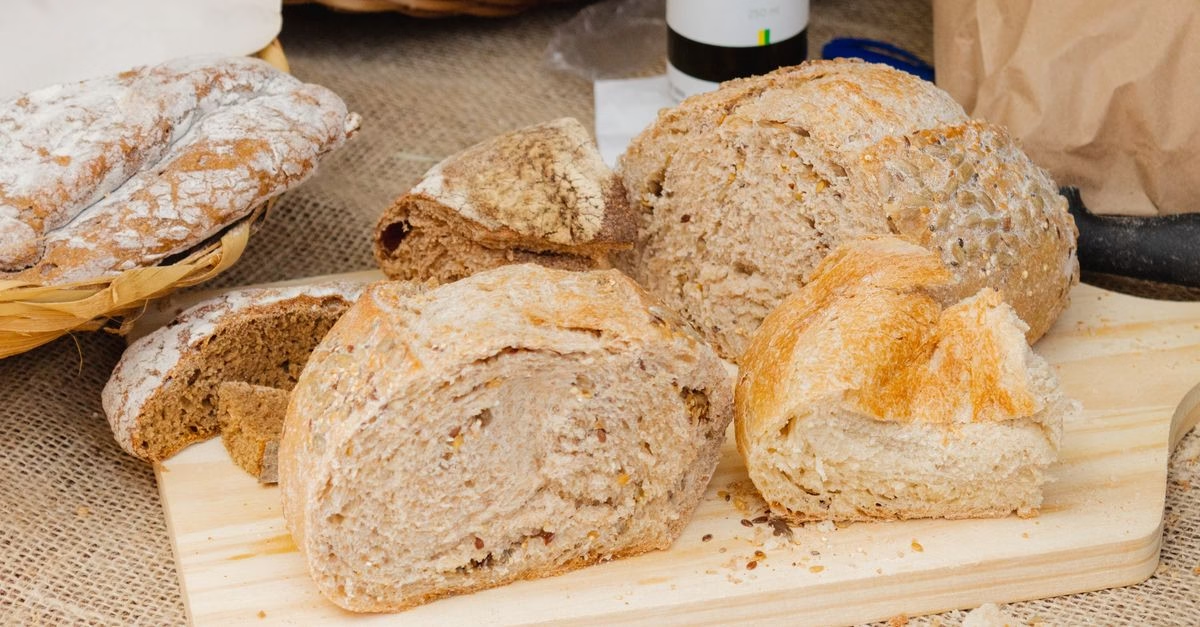
If you’ve recently found yourself wondering, “Why am I bloated after eating bread?” you’re not alone. Many people experience bloating after meals, and it can be especially noticeable after indulging in a bread-filled dish. Bloating is that uncomfortable feeling of fullness and swelling in the abdomen that can make your clothes feel tight and your stomach feel distended. It’s a pretty common issue, but if you notice that bloating happens consistently after you eat bread, it’s natural to want to understand why.
Understanding the reasons behind your temporary tummy troubles can help you make informed choices about what you eat. It’s not just bread that can cause discomfort; various foods and eating habits play a part, too. So, let’s explore this topic together! We’ll discuss what bloating is, delve into the possible causes, and what steps you can take to feel your best. Ready? Let’s jump in!
What Does It Mean to Be Bloated After Eating Bread?
Bloating is a sensation of fullness or swelling in your belly that can happen for various reasons. It often feels like pressure or tightness, and many people describe it as feeling like their stomach is heavy or swollen. This phenomenon can occur after eating certain foods, like bread, especially if you’re sensitive to some of its ingredients.
In medical terms, bloating is linked to the accumulation of gas in the gastrointestinal tract or the retention of fluids. It can sometimes be a sign of how your body is reacting to what you eat. Remember, though, it’s a normal feeling that almost everyone experiences occasionally. If you find that your bloating is frequent or uncomfortable, it could be worthwhile to look more closely at what’s going on.
Why Does Bloating After Eating Bread Happen?
There are several reasons you might feel bloated after eating bread. Here are some key factors that could contribute:
One possible reason is that many breads contain gluten, a protein found in wheat and other grains. Some people have a sensitivity to gluten, known as non-celiac gluten sensitivity, which can lead to bloating and discomfort after consuming gluten-containing foods.
Another common factor is how bread can be rich in refined carbohydrates. These types of carbs can be harder for your body to break down, leading to gas production and bloating during digestion. In some people, the way bread interacts with the stomach and intestines can create an imbalance, causing that stuffed feeling.
Research suggests that people with conditions like irritable bowel syndrome (IBS) may be particularly prone to bloating after eating certain foods, including bread, due to their more sensitive digestive systems. However, it’s essential to note that bloating can vary widely among individuals, and finding the exact cause may take a bit of investigation.
Common Causes
Let’s break down some of the major causes of why you might feel bloated after enjoying bread:
1. Gluten Sensitivity
Some individuals may be sensitive to gluten, a protein in wheat that many breads contain. When they consume gluten, they can experience symptoms like bloating and discomfort. If you notice that bloating occurs specifically after eating bread or any gluten-containing products, it might be time to explore whether gluten sensitivity could be a factor for you.
2. Refined Carbohydrates
Bread made from refined flour doesn’t contain a lot of fiber and can lead to more significant digestive issues compared to whole grain versions. The body may take longer to digest these refined carbs, resulting in bloating. If you’re looking for alternatives, consider trying whole grain or whole wheat bread, which are often easier on the stomach.
3. Yeast & Fermentation
Many breads are made using yeast, which helps the dough rise. While yeast is essential for the bread-making process, some people can find it hard to digest. Yeast can also cause gas to form in the gut, leading to bloating after eating breads made with yeast. Watching how your body reacts to different types of bread can help in making choices that suit you better.
4. Portion Size
Sometimes, the amount of bread you eat plays a role. Consuming large portions can overwhelm your digestive system, leading to that uncomfortable bloated feeling. Paying attention to portion sizes can help reduce this effect, making you more comfortable after meals.
5. Eating Habits
How quickly you eat can also contribute to bloating. Eating too quickly might cause you to swallow air, which can lead to gas build-up. Slow down and take your time while enjoying your meals! Mindful eating practices can help minimize discomfort.
Signs and Symptoms to Watch For
When considering if your bloating is something to be concerned about, it’s essential to know the signs. Common symptoms of bloating can include:
- A feeling of fullness or tightness in the abdomen
- Swollen or distended stomach
- Gas pains or discomfort
Most bloating episodes resolve on their own and are rarely serious. However, if you experience any of the following symptoms, consider reaching out to a healthcare professional:
- Severe or persistent pain
- Blood in stool
- Unexplained weight loss
- Persistent vomiting
- Signs of fever or severe weakness
What Can Make Bloated After Eating Bread Worse?
Several lifestyle and dietary factors can contribute to or worsen bloating:
- Diet: Aside from bread, other foods high in sugar or fat can also cause bloating. Be mindful of how your stomach reacts to different foods.
- Eating habits: Eating too fast can lead to swallowing air, contributing to gas and bloating.
- Hydration: Not drinking enough water can cause constipation, making bloating worse. Keeping hydrated helps digestion.
- Physical Activity: Regular exercise helps with digestion. A stagnant lifestyle can contribute to gas build-up.
- Stress: Stress can affect how our digestive system works, including causing bloating.
Foods and Drinks Related to Why Am I Bloated After Eating Bread?
Certain foods and drinks can play a significant role in how your body reacts after eating bread. Some common culprits include:
- Legumes: Beans and lentils can produce gas during digestion, leading to bloating.
- Carbonated drinks: Seltzer and soda can increase gas in the digestive tract.
- High-Fiber Foods: While fiber is essential for digestion, increasing too quickly can lead to bloating.
- Processed Foods: These can contain additives that may irritate the gut or lead to digestive discomfort.
On the flip side, incorporating more fiber-rich foods can help your digestion and minimize bloating. Foods like fruits, vegetables, and whole grains can play a vital role in maintaining gut health.
What Can We Do About Bloating After Eating Bread?
Feeling bloated can be uncomfortable, but there are several practical steps you can take that may help ease the discomfort:
- Monitor Your Portions: Keeping an eye on how much bread you consume in one sitting can make a difference in how you feel afterward.
- Choose Whole Grain: Opt for whole grain bread instead of white or refined bread for better digestive support.
- Eat Slowly: Allowing yourself to savor your food and chew thoroughly can limit the amount of air you swallow.
- Stay Hydrated: Drinking plenty of water is essential. This helps with digestion and can reduce bloating.
- Incorporate Probiotics: Adding foods rich in probiotics, like yogurt, can promote healthy gut flora, which may support digestion.
When Should We See a Doctor About Bloating After Eating Bread?
While occasional bloating is common, knowing when to seek help is essential. If you experience:
- Severe or persistent pain that does not go away
- Blood in your stool, which could indicate a serious issue
- Unexplained weight loss or changes in appetite
- Persistent vomiting or difficulty swallowing
- Symptoms that worsen despite dietary changes
These could be signs that you should reach out to a healthcare professional for personal guidance and assessment.
Frequently Asked Questions About Why Am I Bloated After Eating Bread?
Why am I always bloated after eating bread?
If you frequently feel bloated after eating bread, it could be due to gluten sensitivity, eating large portions, or even how quickly you eat. Paying attention to these factors may help.
Can food cause bloating?
Yes, many foods can lead to bloating. Bread, especially if it contains gluten, and other high-carb foods can trigger bloating in some individuals.
When should I worry about bloating?
If bloating is severe or accompanied by symptoms like pain, blood in your stool, or weight loss, it’s wise to consult with a healthcare provider.
What types of bread are better for preventing bloating?
Whole grain or gluten-free breads may be a better choice for some people, especially those sensitive to gluten or refined carbs.
Can drinking water help with bloating?
Yes, staying hydrated can help keep digestion regular and reduce the likelihood of bloating caused by constipation.
Is it okay to eat bread if I have bloating?
It depends on your body’s response. If you find that bread consistently leads to bloating, you might want to limit intake or explore alternatives.
Can stress contribute to bloating?
Absolutely! Stress can affect the digestive system and lead to symptoms like bloating. Finding relaxation techniques might help.
Can exercise help with bloating?
Yes, regular physical activity can support healthy digestion and reduce feelings of bloating. A simple walk post-meal can be beneficial.
What the Research Says About Bloating After Eating Bread
Research highlights the connection between diet and digestive health. Studies have shown that for individuals with gluten sensitivity, consuming gluten can lead to bloating and other gastrointestinal symptoms. Moreover, evidence suggests that foods high in refined carbohydrates tend to be more challenging for some people to digest, thus leading to gas production.
Additionally, research from institutions like the National Institutes of Health emphasizes the importance of a balanced diet and the role of hydration in overall digestive health. Understanding each person’s unique digestive capacity remains an ongoing area of research, but awareness of food tolerance plays a significant role in managing bloating.
Simple Daily Habits That May Support Better Health
Incorporating simple, consistent habits can pave the way to a healthier gut and reduce bloating:
- Stay Active: Aim for at least 30 minutes of physical activity daily.
- Mind Your Mindfulness: Practice mindful eating techniques, paying attention to your body’s hunger signals.
- Keep a Food Journal: Tracking what you eat can help identify which foods might be causing bloating.
Final Thoughts
We often find ourselves experiencing bloating, especially after meals like bread. This sensation, while uncomfortable, is common and can stem from many factors including gluten sensitivity, portion sizes, or how we eat. Listening to your body is key—if bread tends to cause discomfort, it might be worth experimenting with different types or portions.
Our bodies are unique, and what works for one person might not work for another. Observing how your body reacts to various foods can empower you to make choices that support your well-being. If persistent, bothersome symptoms arise, we should not hesitate to reach out for professional advice. After all, taking good care of our digestive health is an essential part of our overall wellness journey.
Sources and References
National Institutes of Health: Gluten Sensitivity. 2023. https://www.nih.gov/gluten-sensitivity
Mayo Clinic: Irritable Bowel Syndrome (IBS). 2023. https://www.mayoclinic.org/diseases-conditions/irritable-bowel-syndrome/symptoms-causes/syc-20308273
Cleveland Clinic: Diet and Digestive Health. 2023. https://my.clevelandclinic.org/health/articles/9116-diet-and-digestion
Harvard T.H. Chan School of Public Health: The Nutrition Source: Whole Grains. 2023. https://www.hsph.harvard.edu/nutritionsource/whole-grains/
CDC: Normal Digestive System. 2023. https://www.cdc.gov/healthywater/drinking/effects/normal_digestive_system.html
Medical Disclaimer
This article is for general educational and informational purposes only. It is not intended to provide medical advice, diagnosis, or treatment. Health conditions can affect people differently, and information that is appropriate for one person may not be appropriate for another. If you have persistent, severe, or concerning symptoms, speak with a qualified healthcare professional for personalized advice.
Further Reading
Ivf Shot Schedule: 10 Things You Should Know
Omeprazole and Alcohol: Is It Safe to Mix?
what does a growth spurt in pregnancy feel like
Photo by Bruno Thethe on Pexels.