Are you looking for ways to reduce gas naturally? You’re not alone! Many people experience gas and bloating, leading to discomfort that can interrupt daily activities. Understanding how to address this issue naturally can help you feel better without relying on medication. In this article, we’ll explore the causes of gas, signs to watch for, and practical tips on how to reduce it naturally. Our goal is to give you helpful information that empowers you to take charge of your digestive health.
So, what does it mean to reduce gas naturally? Simply put, it’s about finding strategies and making lifestyle changes that minimize excess gas production in your digestive system. This might involve dietary adjustments, changes in eating habits, or introducing certain foods or remedies into your routine. If you’ve been feeling bloated or gassy, this article is a friendly guide to help you understand what’s happening and how you can potentially find relief.
What does this mean?
Gas is a normal part of digestion. When our bodies break down food, they produce gas, which can get trapped in the intestines and cause bloating and discomfort. This gas primarily comes from two sources: swallowed air and the fermentation of undigested food by the bacteria in our intestines. While everyone experiences gas, the degree can vary based on individual digestive health, diet, and habits.
A few common terms you might encounter when discussing gas include:
- Bloating: A feeling of fullness or swelling in the abdomen.
- Flatulence: The release of gas from the digestive system through the rectum.
- Dyspepsia: A term used to describe discomfort or pain in the upper abdomen, often linked with gas and bloating.
Why Does This Happen?
Understanding the reasons behind gas can help in figuring out how to reduce it naturally. One possible reason for excess gas is dietary choices. Some foods are known to produce more gas than others due to their content of fiber, sugars, and starches. For example, beans, lentils, onions, and certain vegetables can lead to gas buildup.
Another common factor is eating habits. Eating quickly can cause you to swallow more air, which may lead to gas. Additionally, food intolerances can also play a role. Some people may be sensitive to lactose, gluten, or FODMAPs (a type of carbohydrate) and experience gas as a symptom.
Research suggests that stress can also affect gut health and lead to increased gas production. When we’re under stress, it may alter our digestion, leading to discomfort. In some people, a sedentary lifestyle can contribute to digestive issues, making it harder for gas to be expelled efficiently.
Common Causes
Several factors can contribute to excess gas. Here are some of the most common causes and how they relate to your experience:
Dietary Choices
Certain foods are notorious for causing gas. Foods high in fiber, while generally beneficial, can lead to gas for some individuals. In particular, beans, cruciferous vegetables like broccoli and cauliflower, and carbonated drinks can all cause gas buildup.
Eating Habits
How quickly you eat can also impact gas levels. If you’re a fast eater, you’re likely swallowing air along with your food, which can lead to more gas. Eating smaller, more frequent meals can help your digestive system process food more efficiently.
Food Intolerances
Some people may have intolerances to common food groups, such as dairy or gluten. If your body struggles to digest these foods, it can lead to gas buildup and bloating. If you suspect a food intolerance, consider keeping a food diary and discuss your symptoms with a healthcare professional.
Stress and Digestive Health
Stress can take a toll on our overall health, including how our digestive system functions. Research suggests that high-stress levels can disrupt normal digestion, leading to increased gas and bloating. Techniques like meditation, yoga, or deep breathing exercises might help reduce stress levels and promote better digestive health.
Signs and Symptoms to Watch For
Most of us experience occasional gas, but it’s essential to recognize when it might be indicative of something more serious. Here are some common symptoms:
- Frequent bloating or fullness in the abdomen
- Flatulence or passing gas often
- Abdominal discomfort or cramping
- Unexplained changes in bowel habits, such as diarrhea or constipation
While occasional gas is generally normal, persistent or worsening symptoms may require medical attention. If you experience severe pain, blood in your stool, or unexplained weight loss, it’s important to consult a healthcare professional.
What Can Make it Worse?
Certain lifestyle factors might make gas worse. Here are some elements to consider:
- Poor eating habits: Eating on the go, chewing gum, or drinking through a straw can cause you to swallow more air.
- Diet: High-fat foods can slow digestion, leading to increased gas. Additionally, certain artificial sweeteners, like sorbitol, can provoke gas in some people.
- Hydration: Staying well-hydrated supports digestion. Dehydration can slow down your digestive process, leading to unwanted gas.
- Physical activity: Regular exercise can promote healthy digestion. A sedentary lifestyle may exacerbate gas and bloating.
- Smoking and Alcohol: Both smoking and consuming alcohol can introduce air into your digestive tract and impact gut health.
Foods and Drinks Related to the Topic
When it comes to food and gas, it’s essential to know that individual responses can vary widely. Here are some foods that may help, worsen, or have uncertain effects on gas:
- Foods that may worsen gas: Beans, lentils, dairy products (for those with lactose intolerance), vegetables like onions and cabbage, carbonated beverages.
- Foods that may help: Ginger and peppermint tea are known for their soothing effects on the digestive system. Foods rich in water content, like cucumbers and watermelon, can help transport waste through the digestive system, potentially reducing gas.
- Upping fiber intake: Gradually increasing dietary fiber can help promote better digestive health, but do it slowly to give your gut time to adjust.
What Can We Do?
There are several practical, evidence-based steps you can take to help reduce gas naturally:
- Mind your eating habits: Try to eat slowly, chew your food thoroughly, and avoid raucous conversations while eating to minimize air swallowing.
- Keep a food diary: Tracking what you eat and any symptoms that follow can help identify which foods contribute to gas for you.
- Stay hydrated: Drinking plenty of water can help support digestion and prevent constipation, which may lead to gas. Aim for 8-10 glasses daily.
- Increase physical activity: Regular exercise supports digestion. Aim for at least 150 minutes of moderate aerobic activity per week.
- Practice relaxation techniques: Incorporating methods such as meditation, deep breathing, or yoga can help reduce stress levels and improve your digestive health.
When Should You See a Doctor?
Knowing when to seek help is important. Contact a healthcare professional if you experience:
- Severe or persistent abdominal pain
- Blood in your stool
- Unexplained weight loss
- Persistent vomiting
- Difficulty swallowing or a feeling of food getting stuck
- Fever or noticeable weakness
- Any symptoms that significantly worsen or persist despite adjustments to diet or lifestyle
Frequently Asked Questions
Why am I always experiencing gas?
Gas production can be linked to various factors such as dietary choices, eating habits, gut bacteria, and even stress levels. Identifying triggers may help in managing symptoms.
Can food cause gas?
Yes, certain foods, particularly those high in fiber or difficult to digest, can lead to greater gas production. Recording what you eat can help identify specific foods that may be causing your gas.
When should I worry about gas and bloating?
While gas is common, watch for signs like severe pain, changes in bowel habits, or any persistent and worsening symptoms that may signal an underlying health issue.
Does drinking water help with gas?
Staying well-hydrated supports healthy digestion and may help reduce gas buildup. Aim for adequate water intake daily.
Are there any specific diets to reduce gas?
While there isn’t a one-size-fits-all diet, a well-rounded diet low in gas-inducing foods can help. Consult with a dietitian for personalized advice.
Does stress really affect gas production?
Research does indicate that stress can impact gut health and digestion, potentially leading to increased gas. Stress management techniques can be beneficial.
Can I still eat beans if they give me gas?
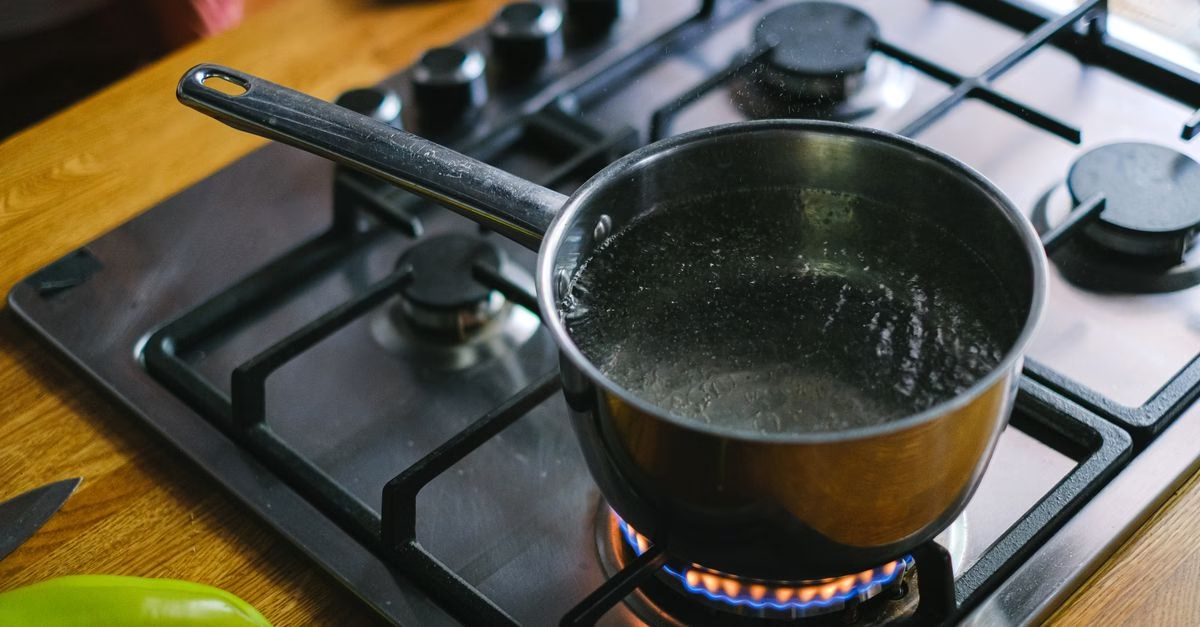
Beans are nutritious but can cause gas in some individuals. Soaking them before cooking, slowly increasing portion sizes, or opting for canned beans (which may be easier to digest) can help.
How can I change my eating habits to reduce gas?
Try to eat meals in a relaxed environment, chew your food thoroughly, and avoid talking while eating to minimize air swallowing.
What the Research Says About How to Reduce Gas Naturally
Research on gas and digestion suggests that dietary habits play a significant role in gas production. Systematic reviews have shown that certain food intolerances, particularly lactose and gluten, can lead to increased gas in sensitive individuals (CDC, NIDDK). Behavioral factors, such as stress and rapid eating, are also recognized contributors to gas-related discomfort.
A 2021 study published in the American Journal of Gastroenterology established a link between diet, specifically high-FODMAP foods, and increased gas and bloating in individuals with irritable bowel syndrome (IBS). It’s essential to approach dietary adjustments gradually and consult healthcare providers for personalized guidance.
Simple Daily Habits That May Support Better Health
Incorporating small, consistent habits into your daily routine can help support your digestive health and may reduce gas naturally:
- Drink herbal teas: Ginger or peppermint tea may help soothe digestive discomfort.
- Stay active: Aim for regular physical movement, even a simple daily walk can do wonders.
- Practice mindful eating: Take time to enjoy your meals, savoring each bite can help with digestion.
- Keep a food journal: Documenting foods and symptoms over time can empower you to spot patterns in your diet.
Final Thoughts
Managing gas and bloating can take time and personal experimentation. We often find that understanding the triggers behind our digestive discomfort helps us make informed choices. Staying mindful of our eating habits, maintaining hydration, and being aware of the foods we consume can contribute significantly to digestive health. If we notice persistent or troubling symptoms, it’s vital to reach out to a healthcare professional for personalized advice.
Ultimately, every body is unique. What works for one person might not work for another, and that’s completely okay! With a little patience and exploration, you can find effective ways to reduce gas naturally and improve your overall digestive well-being.
Sources and References
National Institutes of Health: Dietary factors and intestinal gas. Available at: https://www.nih.gov
Cleveland Clinic: Gas and Bloating. Published 2023. Available at: https://my.clevelandclinic.org
Mayo Clinic: Gas pains. Available at: https://www.mayoclinic.org
American Gastroenterological Association: Understanding the Gut Microbiome. Available at: https://www.gastro.org
National Institute of Diabetes and Digestive and Kidney Diseases: Symptoms: Gas. Available at: https://www.niddk.nih.gov
CDC: Gastrointestinal Health. Available at: https://www.cdc.gov
Medical Disclaimer
This article is for general educational and informational purposes only. It is not intended to provide medical advice, diagnosis, or treatment. Health conditions can affect people differently, and information that is appropriate for one person may not be appropriate for another. If you have persistent, severe, or concerning symptoms, speak with a qualified healthcare professional for personalized advice.
Further Reading
Ivf Shot Schedule: 10 Things You Should Know
Omeprazole and Alcohol: Is It Safe to Mix?
what does a growth spurt in pregnancy feel like
Photo by Anna Shvets on Pexels.