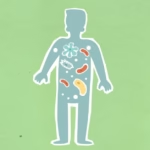
If you’ve been wondering, “What foods are good for the gut microbiome?” you’re not alone! Many people are curious about how their diet impacts their digestive health. Your gut microbiome is a bustling community of trillions of microorganisms that live in your intestines. These tiny buddies are essential for digesting food, absorbing nutrients, and supporting your immune system. When the balance of these microorganisms is off, it can lead to various issues, including digestive discomfort, mood changes, and inflammation.
Worry not! Understanding which foods are great for your gut can help you keep your microbiome happy and healthy. Eating a variety of foods rich in fiber, probiotics, and other nutrients can promote a diverse gut environment. This article will explore the specific foods you can enjoy to support your gut microbiome and how they can make a positive difference in your overall well-being.
What Does This Mean?
The gut microbiome refers to the complex community of microorganisms, including bacteria, viruses, fungi, and other microbes that reside in our digestive tract. Think of it as a mini-ecosystem that plays a crucial role in keeping our bodies functioning well. A healthy gut microbiome can enhance digestion, bolster your immune health, and even influence your mood and mental wellbeing.
When searching for “What foods are good for the gut microbiome?” you might be looking for ways to relieve digestive issues like bloating, constipation, or even just to improve your overall gut health. Foods rich in fiber, probiotics, and prebiotics all contribute to a flourishing microbiome. Let’s dive deeper into why these foods matter and what they can do for you!
Why Does This Happen?
There are several factors that contribute to the health of your gut microbiome. One major aspect is diet. What you eat can significantly influence the diversity and composition of your gut bacteria. For example, diets high in processed foods, sugars, and unhealthy fats may lead to an imbalance, while a diet rich in whole foods supports a more diverse community of gut bacteria.
Another common factor is lifestyle. Stress levels, sleep quality, and physical activity can all affect gut health. For a balanced microbiome, it’s essential not just to focus on healthy foods but also to nurture your mind and body. Research suggests that a holistic approach combining diet, hydration, and lifestyle changes optimizes gut health.
Common Causes
So what causes an imbalanced gut microbiome? Here are a few potential factors:
- Poor Diet: A diet lacking in fiber and rich in processed foods can contribute to gut dysbiosis—a state where harmful bacteria grow more than beneficial ones. Notice that you might feel sluggish or often experience bloating? Adjusting your diet could be a good step.
- Medications: Some medications, especially antibiotics, can disrupt the balance of your gut bacteria. If you’ve recently taken antibiotics and feel off, consider adding probiotic foods to your diet.
- Lifestyles and Stress: Chronic stress can negatively impact gut health, as it may lead to digestive issues and changes in gut bacteria. Incorporating relaxation techniques such as yoga or meditation can be a wonderful way to ease stress.
Signs and Symptoms to Watch For
So how can you tell if your gut microbiome might be out of balance? Common signs can include:
- Bloating or gas
- Frequent digestive discomfort
- Changes in bowel habits (such as constipation or diarrhea)
- Unexplained fatigue and mood swings
If you experience occasional discomfort, it might be anything from a heavy meal to stress. However, if these symptoms persist or worsen, reaching out to a healthcare professional would be a beneficial step.
What Can Make it Worse?
Several lifestyle factors can contribute to an imbalance in your gut microbiome:
- Poor Diet: Regularly consuming high-sugar and high-fat foods can negatively impact your gut diversity.
- Lack of Hydration: Staying hydrated is essential for digestion. Dehydration can lead to constipation and disrupt your gut balance.
- Inadequate Sleep: Poor sleep can contribute to inflammation, which may negatively impact your gut microbiome.
- Stress Levels: High stress can hurt your digestive system and lead to changes in your gut’s bacterial makeup.
Foods and Drinks Related to the Topic
When it comes to what foods are good for the gut microbiome, here are some star players:
- Fruits and Vegetables: These are rich in fiber and nutrients. Think of options like apples, bananas, berries, broccoli, and leafy greens.
- Whole Grains: Oats, quinoa, barley, and brown rice offer fiber and can support those good bacteria in your gut.
- Fermented Foods: Foods like yogurt, kimchi, sauerkraut, and kefir are excellent sources of probiotics, which can promote a healthy gut.
- Legumes: Beans and lentils provide both fiber and protein, making them great for gut health.
- Nuts and Seeds: Almonds, walnuts, flaxseeds, and chia seeds are packed with healthy fats and fiber.
Always remember that everyone’s body is different, and what works for one person may not work as well for another. It’s essential to listen to your body and note how you feel after introducing new foods!
What Can We Do?
Supporting your gut microbiome doesn’t have to be complicated. Here are a few practical steps you can take:
- Increase Fiber Intake: Introduce more whole grains, fruits, and vegetables into your meals. Aim to fill half your plate with these nutrient-rich foods.
- Enjoy Fermented Foods: Adding a serving of yogurt or a scoop of kimchi a few times a week can provide beneficial probiotics to your gut.
- Stay Hydrated: Drinking plenty of water helps digestion and keeps your gut running smoothly.
- Manage Stress: Incorporate relaxation techniques into your daily routine. Things like mindfulness meditation or light exercise can help reduce stress levels.
- Prioritize Sleep: Aim for 7-9 hours of quality sleep per night to help your body recharge and support gut health.
When Should You See a Doctor?
If you experience any of the following warning signs, it’s a good idea to speak with a healthcare professional:
- Severe or persistent pain
- Blood in stools
- Unexplained weight loss
- Persistent vomiting or nausea
- Extreme fatigue or weakness
- Changes that suddenly worsen
Addressing any concerning symptoms promptly can help you stay healthy.
Frequently Asked Questions
Why am I always curious about what foods are good for the gut microbiome?
Many people seek this information to improve digestion, boost immunity, or simply feel better overall. A healthy gut can make a significant difference in how you feel day to day!
Can food cause gut health issues?
Absolutely! Diets high in processed foods, sugar, and unhealthy fats can lead to imbalances in gut bacteria, contributing to digestive issues and discomfort.
When should I worry about my gut health?
If you notice persistent digestive symptoms or drastic changes in your digestion, it’s time to reach out to a healthcare professional for personalized guidance.
What are probiotics, and why do I need them?
Probiotics are live bacteria and yeasts that are good for your health, especially gut health. They help keep your gut balanced and may prevent digestive issues.
Are all fruits and vegetables good for my gut microbiome?
Yes! A variety of fruits and vegetables introduces different nutrients and fibers that can promote a healthy gut. Aim for a colorful mix on your plate!
How quickly can I notice changes in my gut health?
Many people start to feel better within a few days to weeks of making dietary improvements. However, everyone’s body is different, so it may take longer for some.
Can stress impact my gut microbiome?
Yes, high stress levels can disrupt gut health by changing the composition of gut bacteria. Managing stress through positive practices can be beneficial.
How many servings of fermented foods should I eat a week?
Incorporating a serving of fermented foods a few times a week is a great start! However, listen to your body and adjust based on how you feel.
Is it necessary to take supplements for gut health?
While some people benefit from probiotics or other supplements, a balanced diet rich in whole foods is usually sufficient for maintaining a healthy gut. Always consult with a healthcare professional before starting any new supplements.
What the Research Says About What Foods Are Good for the Gut Microbiome?
Research shows that a varied diet high in fiber, fruits, vegetables, and fermented foods promotes a diverse gut microbiome, which is linked to better health outcomes. Several systematic reviews have found correlations between dietary patterns and gut microbiome health, supporting the idea that nutrient-rich diets benefit gut function.
For example, a study published in the journal Nature indicated that dietary fiber enhances the growth of beneficial bacteria, leading to improved gut health outcomes. Another research review in The American Journal of Clinical Nutrition highlighted that regular consumption of fermented foods can positively influence the gut microbiota composition.
However, it’s important to acknowledge that while some studies show promising results, the science is still evolving. The gut microbiome is unique to each individual, and what works for one person may not work for another.
Simple Daily Habits That May Support Better Health
Implementing small daily habits can greatly influence your gut health:
- Start your day with a fiber-rich breakfast like oatmeal topped with fruit.
- Opt for whole grains over refined grains in your meals.
- Snack on nuts or yogurt for a healthy digestive boost.
- Incorporate movement into your day—go for a walk or try a new exercise.
- Prioritize a good night’s sleep; aim for consistent sleep patterns.
Final Thoughts
We often overlook the importance of our gut health, but it plays a significant role in our overall well-being. Incorporating foods that support the gut microbiome, such as fruits, vegetables, whole grains, and fermented foods, can make a big difference. Additionally, maintaining a healthy lifestyle through hydration, sleep, and stress management is equally important.
If you notice consistent digestive issues or other concerning symptoms, it’s essential to consult a healthcare professional. By taking small, positive steps toward better gut health, we can improve our digestion and support our overall health!
Sources and References
National Institutes of Health: Gut Microbiota Evidence. 2021. https://www.nih.gov
American Gastroenterological Association: Probiotics for Health. 2022. https://www.gastro.org
Mayo Clinic: What is the gut microbiome? 2023. https://www.mayoclinic.org
Cleveland Clinic: Foods for a Healthy Gut. 2023. https://my.clevelandclinic.org
Harvard T.H. Chan School of Public Health: The Nutrition Source: Fiber. 2023. https://www.hsph.harvard.edu/nutritionsource/fiber/
Johns Hopkins Medicine: Gut Microbiome: Changes and Health Impact. 2023. https://www.hopkinsmedicine.org
Medical Disclaimer
This article is for general educational and informational purposes only. It is not intended to provide medical advice, diagnosis, or treatment. Health conditions can affect people differently, and information that is appropriate for one person may not be appropriate for another. If you have persistent, severe, or concerning symptoms, speak with a qualified healthcare professional for personalized advice.
Further Reading
Ivf Shot Schedule: 10 Things You Should Know
Omeprazole and Alcohol: Is It Safe to Mix?
what does a growth spurt in pregnancy feel like
Photo by Andri Wijayanto on Pexels.