Key Takeaways
- A diverse, fiber-rich diet supports a healthy gut microbiome and improves overall digestion.
- Fermented foods like yogurt and kimchi provide probiotics that help balance beneficial gut bacteria.
- Managing chronic stress and maintaining regular physical activity are vital for a healthy digestive system.
- Persistent digestive symptoms should always be evaluated by a qualified healthcare professional.
How to Improve Gut Health Naturally
If you’re curious about how to improve gut health naturally, you’re not alone! Many people are looking for ways to feel better and support their digestive system without relying on medications or supplements. Our gut health plays a critical role in our overall well-being, affecting everything from digestion to mood. When our gut is healthy, we typically feel more energetic, less bloated, and happier. So, why might you be searching for natural ways to enhance your gut health? Perhaps you’re experiencing digestive discomfort, or you just want to maintain your health for the long haul. Whatever your reason, there are plenty of natural strategies to explore!
Healthy gut function is supported by a balanced diet, good bacteria, and a lifestyle that honors our body’s needs. But sometimes it can be a little tricky to figure out exactly what that looks like! You might be wondering, “What foods should I eat? What lifestyle changes will help? How can I create a happy gut?” In this article, we’ll dive into practical, evidence-based ways to boost your gut health naturally, so you can feel your best every day.
What Does This Mean?
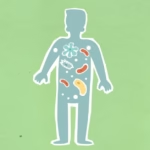
When we talk about “gut health,” we’re really talking about the well-being of our gastrointestinal (GI) tract. This includes everything from our stomach to our intestines. Having a healthy gut means that you have a good balance of beneficial bacteria and proper digestion. The gut microbiome is the collection of these bacteria, and it plays a vital role in keeping our digestive system running smoothly, supporting our immune system, and even influencing our mood and mental health.
Common terms like “probiotics” (good bacteria) and “prebiotics” (food that feeds good bacteria) often come up when discussing gut health. These are important concepts to understand as we look for natural ways to improve our gut. Essentially, gut health impacts how we absorb nutrients and how our digestion operates, so nurturing our gut is key to our overall health.
Why Does This Happen?
Several factors can affect our gut health, some are controllable, while others might be more challenging to change. Here are a few common contributors:
One possible reason your gut may not be functioning optimally could be dietary choices. High amounts of processed foods, sugars, and unhealthy fats can create imbalances in your gut microbiome, leading to issues like bloating or irregular bowel movements. Another common factor is stress; when we are stressed, it can negatively impact our digestion and alter the bacteria in our gut. In some people, lack of physical activity can also contribute to less efficient digestion and decreased gut health.
Research suggests that taking care of our gut health might help in overall improvements in how we feel and function, but it’s a complex system, and everyone’s gut is a little different. It’s essential to listen to your body and make adjustments accordingly.
Common Causes
Understanding common causes can help us address gut health more effectively. Here are some key factors:
Poor Diet: A diet low in fiber and high in processed foods can disrupt the balance of good bacteria. Foods like fruits, vegetables, and whole grains provide the fiber needed to nourish healthy gut bacteria.
Stress: Chronic stress can have a significant impact on the gut. When you’re feeling anxious or overwhelmed, your body enters a fight-or-flight mode, which can hinder the digestive process.
Lifestyle Factors: Lack of exercise and poor sleep can also contribute to digestive issues. Regular physical activity can promote healthy bowel movements, while good sleep helps your body recover and maintain balance.
Medications: Certain medications, especially antibiotics, may disrupt the gut microbiome. They can kill both harmful and beneficial bacteria, leading to digestive discomfort.
Signs and Symptoms to Watch For

When we’re talking about gut health, it’s important to be aware of what’s normal versus concerning. Common signs that might indicate your gut health is off include:
- Bloating and gas
- Irregular bowel movements (diarrhea or constipation)
- Food intolerances
- Fatigue
- Changes in appetite
On the other hand, if you experience persistent symptoms such as severe abdominal pain, blood in your stool, unexplained weight loss, or prolonged changes in bowel habits, it’s important to speak with a healthcare professional.
What Can Make it Worse?
Your lifestyle choices can significantly impact gut health, and there are several factors that may contribute to worsening symptoms:
- Poor Diet: Diets high in sugar, processed foods, and unhealthy fats can negatively affect gut bacteria.
- Hydration: Not drinking enough water can lead to constipation, making digestion less effective.
- Stress: High stress levels can wreak havoc on your digestive system.
- Lack of Sleep: Poor sleep can contribute to gut imbalances, affecting digestion.
- Physical Activity: Sedentary lifestyles can lead to a sluggish digestive system.
Foods and Drinks Related to the Topic
What we consume plays a crucial role in improving gut health! Here are some foods that can support a healthy gut:
- Fiber-Rich Foods: Foods like fruits, vegetables, legumes, and whole grains can promote healthy digestion.
- Fermented Foods: Foods such as yogurt, kefir, sauerkraut, and kimchi contain probiotics that help to balance gut bacteria.
- Prebiotics: Foods like bananas, onions, and garlic feed the beneficial bacteria in your gut.
- Hydration: Drinking enough water is vital for digestion and helps prevent constipation.
While these foods can benefit many people, responses to food can be very individual. Pay attention to how your body reacts to different foods and adjust accordingly!
What Can We Do?
Here are some practical, evidence-based steps you can take to potentially improve your gut health naturally:
- Eat a Diverse Diet: Incorporating a variety of foods into your meals can support a diverse microbiome, which is important for gut health.
- Add Probiotic-Rich Foods: Consider including fermented foods in your diet to boost your intake of beneficial bacteria.
- Stay Hydrated: Drinking enough water can aid digestion and help keep things moving smoothly.
- Manage Stress: Techniques like yoga, meditation, or simply taking time for relaxation can be helpful.
- Stay Active: Incorporating regular exercise can help improve digestion and enhance gut health.
These steps may help support your gut health, but remember that individual experiences can vary.
When Should You See a Doctor?
While many gut issues can be managed at home, there are times when it’s crucial to seek professional help. You should speak with a healthcare provider if you experience:
- Severe or persistent abdominal pain
- Blood in your stool
- Unexplained weight loss
- Chronic diarrhea or constipation
- Persistent nausea or vomiting
- Symptoms that worsen despite making lifestyle changes
It’s better to be safe and consult with a healthcare professional if you have any of these concerning symptoms.
Frequently Asked Questions
Why am I always tired and bloated?
Tiredness and bloating can sometimes be linked to digestive issues. If your gut is imbalanced or you’re not absorbing nutrients properly, it can leave you feeling fatigued. It’s best to check in with a healthcare provider for personalized advice.
Can food cause digestive issues?
Yes, certain foods can trigger digestive discomfort in some people, especially if there are intolerances or sensitivities involved. Keeping a food diary can help identify problematic foods.
When should I worry about gut health?
If you experience severe symptoms like chronic pain, blood in stools, or consistent changes in bowel habits, it’s important to reach out to a healthcare professional.
Can probiotics help my gut health?
In many cases, probiotics can help improve gut health, particularly after antibiotic use. However, their effectiveness can vary from person to person.
What role does stress play in gut health?
Stress can significantly impact gut health by affecting digestion and altering the gut bacteria balance. Managing stress through relaxation techniques can help.
Are there any specific diets to follow for gut health?
While there isn’t a one-size-fits-all diet, a balanced diet rich in fiber, whole foods, and fermented products is generally beneficial. Consulting a nutritionist for personalized guidance could be helpful.
How can I know if I have a healthy gut?
A healthy gut typically means regular, comfortable bowel movements and overall good digestion without symptoms like bloating or discomfort. If you have doubts, speak to a healthcare provider.
Does hydration affect gut health?
Absolutely! Staying well-hydrated is essential for maintaining healthy digestion and preventing constipation.
What the Research Says About How to Improve Gut Health Naturally
The research underscores the importance of a healthy gut microbiome for overall well-being. Studies have shown that diets rich in fiber, fruits, vegetables, and fermented foods can positively impact gut health. For example, a systematic review published by the American Journal of Clinical Nutrition found that consuming a higher amount of fiber supports diverse gut microbiota and promotes gut health (1).
Additionally, research by the National Institutes of Health suggests that probiotics found in fermented foods can help balance gut bacteria (2). On the other hand, it’s worth noting that not all probiotics are equally effective for everyone. Continued research is necessary to further understand which strains of probiotics are most beneficial.
Simple Daily Habits That May Support Better Health
Even small habits can lead to improvements in gut health over time. Here are a few daily practices to consider:
- Start your day with a healthy breakfast rich in fiber.
- Incorporate a variety of fruits and vegetables into your meals.
- Stay active by aiming for at least 30 minutes of exercise most days.
- Practice mindful eating by chewing your food well and enjoying meals without distractions.
- Set aside time each day for relaxation to help manage stress.
Final Thoughts
Taking care of our gut is an important aspect of maintaining overall health. By focusing on nutrition, lifestyle, and well-being, we can foster an environment that supports our digestive system. We often notice that simple changes, like increasing our intake of fiber, staying hydrated, and managing our stress levels, may lead to better gut health. If we find ourselves experiencing persistent digestive issues, we must seek guidance from healthcare professionals.

It’s all about being gentle with ourselves and finding a balance that works for our unique bodies. Let’s prioritize our gut health naturally, and over time, we’ll likely notice positive differences in how we feel each day.
Sources and References
National Institutes of Health: Gut Microbiota: A New Dimension in Health and Disease. 2023. https://www.nih.gov/
American Journal of Clinical Nutrition: Dietary fiber and gut microbiota: A systematic review. 2022. https://academic.oup.com/ajcn/article/115/1/153/5869784
Mayo Clinic: Probiotics: What you need to know. 2023. https://www.mayoclinic.org/healthy-lifestyle/nutrition-and-healthy-eating/in-depth/probiotics/art-20045765

Medical Disclaimer
This article is for general educational and informational purposes only. It is not intended to provide medical advice, diagnosis, or treatment. Health conditions can affect people differently, and information that is appropriate for one person may not be appropriate for another. If you have persistent, severe, or concerning symptoms, speak with a qualified healthcare professional for personalized advice.
Further Reading
Ivf Shot Schedule: 10 Things You Should Know
Omeprazole and Alcohol: Is It Safe to Mix?
what does a growth spurt in pregnancy feel like
Photo by https://kaboompics.com/ on Pexels.
Frequently Asked Questions
Can coffee affect my gut health?
For some people, coffee can stimulate bowel movements due to its effect on the digestive tract. However, it may also trigger acid reflux or irritation in individuals with sensitive stomachs. Monitor your own response to see if it causes discomfort.
Should I take a probiotic supplement?
While probiotic supplements can be beneficial, it is generally recommended to get probiotics from food sources first. If you are considering a supplement, consult your doctor to ensure it is appropriate for your specific health needs.
How long does it take to improve gut health?
Gut health is not improved overnight, but consistent lifestyle changes often show benefits within a few weeks. Focus on long-term habits like increasing fiber intake and managing stress rather than looking for immediate fixes.
Does eating late at night hurt my gut?
Eating heavy meals right before bed can sometimes interfere with digestion and sleep quality. Giving your body a few hours to digest before lying down may help reduce bloating and improve overall digestive comfort.
The Bottom Line
Improving your gut health is a journey rooted in simple, consistent daily habits. By choosing fiber-rich whole foods, staying active, and managing stress, you create a supportive environment for your microbiome to thrive. Remember that your body is unique, so listen to its signals and consult a professional if you encounter persistent concerns.