
Key Takeaways
- Probiotics may help balance gut bacteria and improve bowel regularity for some individuals.
- Diet, hydration, and physical activity are essential foundations for managing constipation alongside probiotics.
- Research on probiotics for constipation shows promising but mixed results across different populations.
- Always consult a healthcare professional before starting new supplements to ensure they are appropriate for you.
If you’ve been searching for “Can probiotics help constipation?” you’re likely looking for some answers about digestive health. Constipation can be quite uncomfortable, and many people are keen to discover effective ways to alleviate this pesky issue. Probiotics, which are live bacteria that provide health benefits when consumed, have been gaining popularity as a potential remedy. But how do they actually work? And can they make a significant difference in your bowel movements?
Understanding how probiotics could help with constipation can feel a bit overwhelming, but don’t worry! We’re here to break it all down in a friendly and easy-to-understand way. Many individuals experience everyday digestive troubles, and finding a natural solution like probiotics is something that resonates with many. Let’s explore what probiotics are, how they may play a role in easing constipation, and what science has to say about it.
What Are Probiotics?
Probiotics are often called “good bacteria” because they are similar to the beneficial microorganisms that naturally live in our intestines. They can be found in foods like yogurt, sauerkraut, and kimchi, and can also be taken as dietary supplements. These tiny organisms contribute to gut health by balancing the gut microbiota, which is essential for proper digestion and overall wellness.
When your gut health isn’t in tip-top shape, it can lead to constipation, among other issues. By introducing more friendly bacteria into your system through probiotics, some believe it might help encourage better bowel function. While research on probiotics is ongoing, understanding what they are can help clarify their potential benefits for constipation.
Why Does This Happen?
Constipation can result from various factors, and understanding these can help you figure out if probiotics might be right for you. One possible reason for constipation is an imbalance in the gut microbiome. Research suggests that when there are fewer beneficial bacteria, digestive processes may slow down, leading to hard or infrequent stools.
Another common factor is the diet. A diet that lacks sufficient fiber, adequate hydration, or regular meals can contribute to constipation. Stress, lack of physical activity, and certain medications can play a role, too. For some people, it’s a combination of these factors that leads to frustrating bathroom visits.
Common Causes
Here are a few causes of constipation that might relate to probiotics:
- Imbalance in Gut Bacteria: When there aren’t enough healthy bacteria in your gut, it can lead to digestive slowdowns. Probiotics may help restore this balance, potentially easing constipation.
- Poor Diet: Low fiber intake is a significant factor. Diets filled with processed foods may not offer the nutrients your digestive system needs. Increasing fiber-rich foods along with probiotics might help improve bowel movements.
- Lack of Hydration: Water is crucial for digestion. Not drinking enough fluids can harden stools, making them challenging to pass. Probiotics alone can’t fix this, but they may have better effects in a well-hydrated body.
- Medications: Certain over-the-counter and prescription medications can cause constipation. If you suspect this is the case, discussing options with a healthcare provider is essential.
Signs and Symptoms to Watch For
Common signs of constipation include:
- Infrequent bowel movements (fewer than three times a week)
- Hard or lumpy stools
- Straining during bowel movements
- Feeling of incomplete evacuation
If you notice these symptoms occasionally, it may not be a cause for concern. However, if they persist or worsen, it might be time to speak to a healthcare professional.
When is it Time to Seek Help?
Symptoms that may require medical attention include severe abdominal pain, blood in your stool, or unexplained weight loss. Taking note of any changes is important as they can help your doctor understand your situation better.
What Can Make it Worse?
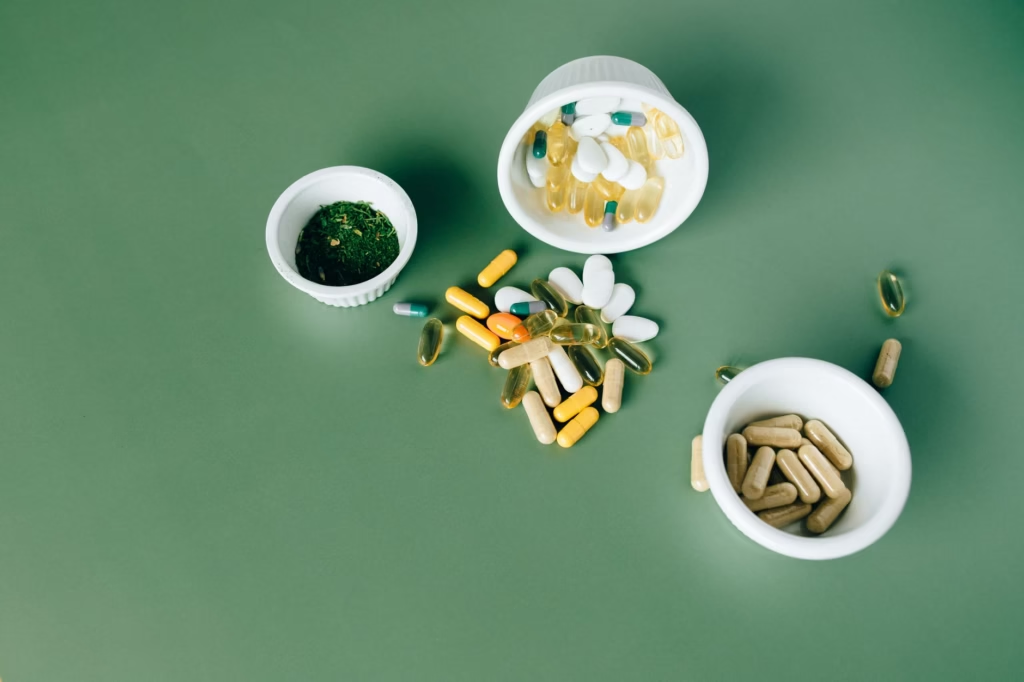
Several lifestyle factors can contribute to or worsen constipation:
- Diet: A diet low in fiber and high in processed foods can lead to difficulties in digestion.
- Hydration: Insufficient water intake can lead to harder stools.
- Physical Activity: Lack of exercise can affect gut mobility. Regular movement can encourage better bowel health.
- Stress: Stress impacts digestive functions and may lead to constipation.
Addressing these factors can be quite beneficial alongside any potential probiotic solutions.
Foods and Drinks Related to the Topic
When it comes to food, certain items can promote digestive health:
- Fiber-Rich Foods: Fruits, vegetables, whole grains, and legumes provide the fiber needed to aid regularity.
- Probiotic Foods: Fermented items like yogurt and kefir contain probiotics that might support digestion.
- Hydrating Foods: Fruits with high water content, like watermelon and oranges, can help with hydration.
While these foods can help, individual responses may vary. It’s best to find what works for your body.
What Can We Do?
To support digestive health and potentially alleviate constipation, consider these practical steps:
- Incorporate Probiotics: Adding probiotic-rich foods or supplements can help, but consult with a healthcare provider beforehand.
- Stay Hydrated: Drinking enough water daily can aid digestion. Aim for around 8 cups (64 ounces) or more if active.
- Eat More Fiber: Aim for a diet rich in fruits, vegetables, and whole grains. Gradually increase fiber intake to avoid discomfort.
- Exercise Regularly: Incorporate physical activity into your routine, such as brisk walking or yoga. Movement can improve gut health.
While these habits may not “cure” constipation, they can support overall digestive health.
When Should You See a Doctor?
Understanding when to consult a healthcare professional is important. If you experience:
- Severe or persistent abdominal pain
- Blood in your stool
- Unexplained weight loss
- Symptoms that persist despite dietary adjustments
These could be signs of underlying conditions that need assessment, so don’t hesitate to reach out to a professional if concerned.
Frequently Asked Questions
Why am I always constipated?
Constant constipation may stem from several lifestyle choices, including diet, hydration levels, and stress. Additionally, gut health and the balance of beneficial bacteria may play a role.
Can food cause constipation?
Yes, low-fiber diets that include processed foods can contribute to constipation. Increasing fiber intake through fruits, vegetables, and whole grains can help.
When should I worry about constipation?
If constipation persists despite making dietary changes or if you notice concerning symptoms like severe pain or blood in your stool, it’s time to consult a healthcare professional.
Do probiotics help everyone with constipation?
Not everyone responds the same way to probiotics. While some individuals may experience relief, others might not. It’s all about finding what works best for your body.
Can stress cause constipation?
Yes, stress can disrupt normal digestive processes and lead to constipation in some people. Finding ways to manage stress can support gut health.
How long does it take for probiotics to work?
Some people may notice changes within days, while for others, it may take weeks. Consistency is key when taking probiotics.
Can I take probiotics with medications?
It’s generally safe, but check with a healthcare provider to ensure there are no interactions with your specific medications.
Do I need to take probiotics forever?
Not necessarily. Some people may find benefits temporarily, while others might choose to include them in their diet regularly. It’s important to listen to your body.
What the Research Says About Can Probiotics Help Constipation?
Research on probiotics and constipation has shown mixed results but offers some promising insights. Systematic reviews indicate that certain specific strains of probiotics may improve stool frequency and ease in passing stools. According to a review published in the *Cochrane Database of Systematic Reviews*, some probiotic strains have shown effectiveness in treating constipation in children, leading researchers to explore their potential for adults as well (1).
Another analysis published in the journal *Gastroenterology* suggested that probiotics could positively impact chronic constipation symptoms, although the effectiveness may vary based on individual circumstances and the type of probiotic used. Most studies agree that while probiotics may help some individuals with constipation, they are not a one-size-fits-all solution, and ongoing research is necessary to understand their full benefits (2).
Simple Daily Habits That May Support Better Health
Consider adopting some simple daily habits that support gut health:
- Incorporate a Variety of Probiotics: Try different sources of probiotics, like yogurt, kimchi, or supplements, to see which helps you the most.
- Prioritize Regular Meals: Eating regular, balanced meals can help establish a healthy routine for your gut.
- Engage in Physical Activity: Aim for at least 30 minutes of moderate exercise most days. Walking, cycling, or even dancing can help!
- Practice Mindfulness: Techniques like yoga, meditation, or deep breathing can reduce stress and benefit your digestive health.
Final Thoughts
It’s clear that many of us have unanswered questions about gut health and how the inclusion of probiotics can help relieve constipation. We often experience struggles with digestion, but understanding the role of diet, hydration, and lifestyle factors can pave the way toward relief. While probiotics show promise, they may be most effective when combined with a balanced lifestyle.
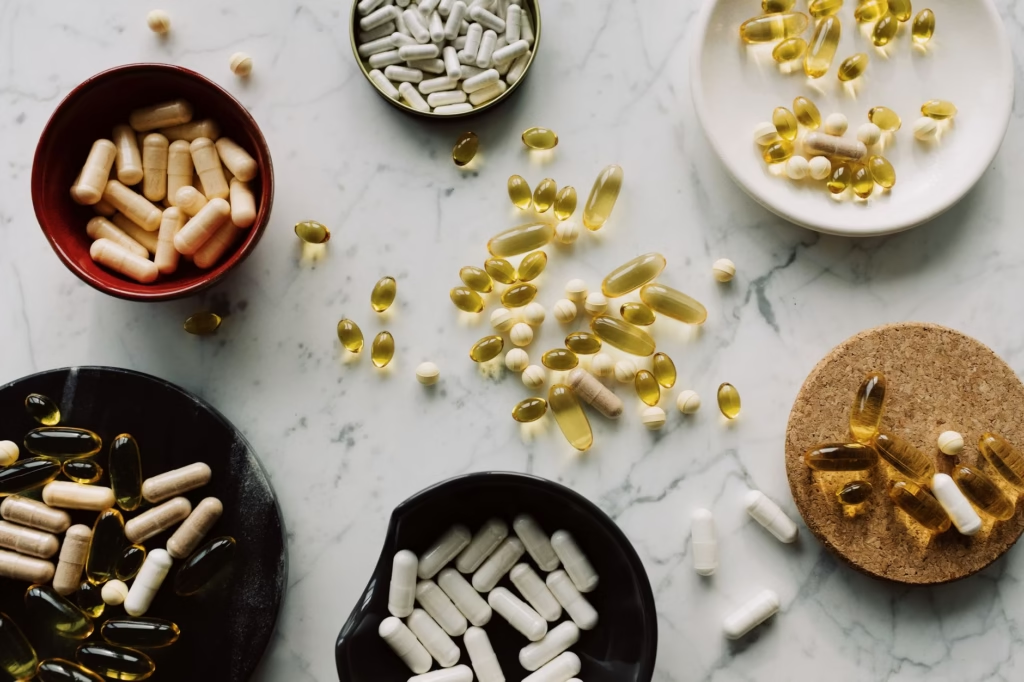
If you’re feeling sluggish or uncomfortable, it might be time to look at your overall routine, from diet to stress management. Remember, if your symptoms persist or worsen, reaching out to a healthcare professional for personalized guidance is the best step to take. We owe it to ourselves to listen to our bodies and seek help when needed.
Sources and References
Cochrane Database of Systematic Reviews: Probiotics for the prevention of antibiotic-associated diarrhea. 2020. Cochrane Library.
Gastroenterology: Probiotics for the treatment of functional constipation: a systematic review and meta-analysis. 2021. Gastroenterology Journal.
Mayo Clinic: Probiotics: What They Are and How They Work. 2022. Mayo Clinic.
National Institute of Diabetes and Digestive and Kidney Diseases (NIDDK): Constipation. 2022. NIDDK.
American Gastroenterological Association: Probiotic Supplements. 2021. AGA.

Medical Disclaimer
This article is for general educational and informational purposes only. It is not intended to provide medical advice, diagnosis, or treatment. Health conditions can affect people differently, and information that is appropriate for one person may not be appropriate for another. If you have persistent, severe, or concerning symptoms, speak with a qualified healthcare professional for personalized advice.
Further Reading
Ivf Shot Schedule: 10 Things You Should Know
Omeprazole and Alcohol: Is It Safe to Mix?
what does a growth spurt in pregnancy feel like
Photo by Beatrice B on Pexels.
Frequently Asked Questions
Can probiotics cause constipation?
While probiotics are generally used to help with digestion, some people may experience temporary side effects like bloating or gas when first starting them. If your constipation worsens after beginning a probiotic, it is best to discontinue use and consult your doctor.
Are there specific probiotic strains for constipation?
Research suggests that Bifidobacterium and certain Lactobacillus strains may be more effective for regularity. However, since everyone's gut microbiome is unique, what works for one person may not work for another.
Can yogurt really fix my constipation?
Yogurt can be a helpful addition to a fiber-rich diet because it contains probiotics and hydration. While it is not a cure-all, regular consumption of fermented foods can support a healthier gut environment over time.
Should I take probiotics on an empty stomach?
The best time to take a probiotic depends on the specific product, as some are designed to survive stomach acid better when taken with food. Always check the label instructions or ask your pharmacist for guidance.
The Bottom Line
Managing constipation often requires a combination of dietary adjustments, hydration, and lifestyle changes. While probiotics can be a helpful tool in supporting your gut health, they are most effective when part of a holistic approach to your wellness. Listen to your body and remember that professional guidance is the safest path if your symptoms persist.