Key Takeaways
- Gut health depends on a balanced microbiome supported by fiber, probiotics, and whole foods.
- Stress, processed foods, and antibiotics can disrupt your digestive system and cause inflammation.
- Include fermented foods and prebiotics in your diet to foster healthy bacteria and improve digestion.
- Monitor your body for persistent symptoms and consult a professional if digestive issues continue.
If you’re wondering, what foods help your gut heal? you’re not alone! Many people are on the lookout for ways to support their digestive health, especially if they’ve experienced discomfort, bloating, or other digestive issues. Our gut, often referred to as our “second brain,” plays a vital role in our overall health, affecting everything from digestion to immunity. So, it’s understandable to seek out practical, effective dietary options that may help nourish and repair this crucial system.
Food choices matter significantly when it comes to gut health. With so many options available, though, it can create confusion about what to eat. The good news is that certain foods are backed by research and are known to promote gut healing. Whether you’re aiming to improve digestion or simply feel lighter and healthier, selecting the right foods can make a real difference. Let’s explore what types of foods are beneficial and how they contribute to a happier gut!
What is Gut Health?
Gut health refers to the balance of microorganisms living in your digestive tract. Your gut houses trillions of bacteria, both good and bad, that play a role in digestion, nutrient absorption, and immune function. When the balance is off, it can lead to various health issues, such as bloating, gas, or even more serious conditions. Foods that help your gut heal can support a thriving environment for good bacteria, promoting overall well-being.
Why Does This Happen?
One possible reason for gut health issues may be an imbalance in gut bacteria, known as dysbiosis. This can occur due to a poor diet, stress, lack of sleep, or antibiotic use, which can disrupt the natural balance of bacteria in your gut. Another common factor may be inflammation, which can arise from eating processed foods, excessive sugar, or unhealthy fats. In some people, certain food intolerances or sensitivities may also contribute to digestive discomfort and gut health issues.
Common Causes
When we talk about what foods help your gut heal, it’s important to recognize some common causes of digestive problems:
1. Poor Diet: A diet high in processed foods, sugars, and unhealthy fats can increase inflammation and challenge gut health. Eating lots of whole foods, like fruits, vegetables, and whole grains, is essential for gut healing.
2. Food Sensitivities: For some, certain foods can trigger discomfort. Common culprits include gluten, dairy, and certain sugars like fructose. Identifying and moderating these foods can lead to improvements.
3. Stress: Mental and emotional stress can harm digestion. Stress management techniques, such as mind-body practices, can help ease gut issues.
4. Antibiotics: These medications can wipe out both bad and good bacteria in the gut. If antibiotics are necessary, consuming probiotic-rich foods afterward can help restore gut health.
Signs and Symptoms to Watch For
Some common symptoms of digestive issues include:
- Bloating
- Gas and flatulence
- Diarrhea or constipation
- Stomach cramps
- Acid reflux
While occasional digestive problems can happen to anyone, persistent symptoms may warrant a conversation with a healthcare professional.
What Can Make It Worse?
Several factors can worsen gut health and trigger digestive issues:
- Poor Diet: Regularly consuming processed foods, high sugar diets, and unhealthy fats can disturb gut bacteria.
- Dehydration: Not drinking enough water can lead to constipation and hinder digestion.
- Lack of Sleep: Inadequate rest can impact gut health.
- Stress and Anxiety: Both can negatively affect digestion and gut function.
- Inactivity: A sedentary lifestyle can slow digestion down.
Foods and Drinks Related to Gut Healing
Now that we’ve covered the potential pitfalls, let’s dive into the foods that may help your gut heal:
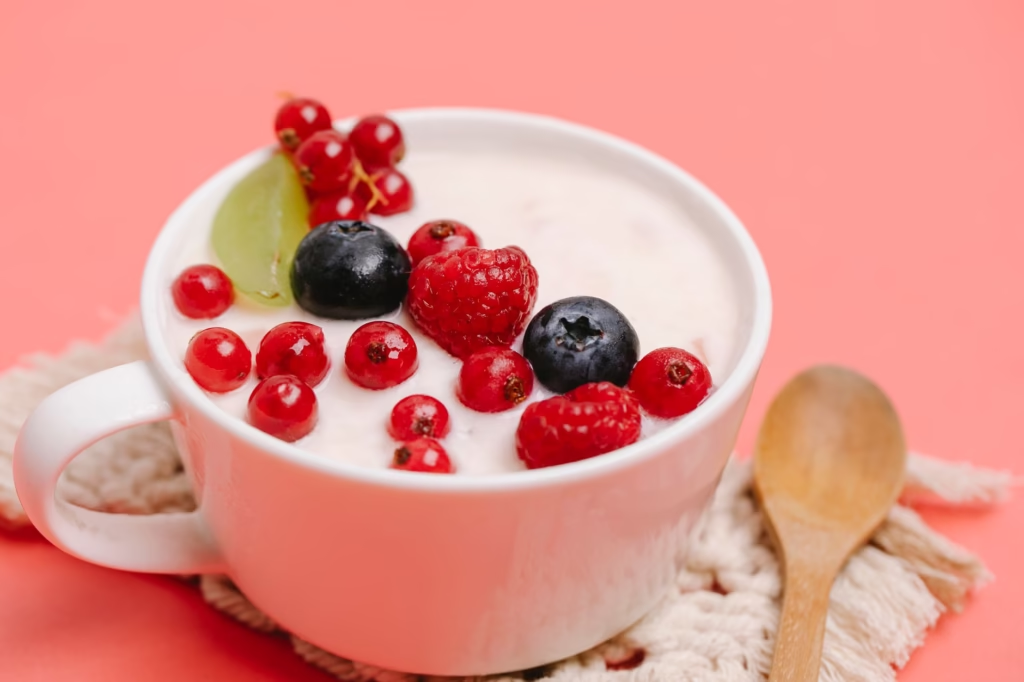
- Probiotics: Foods like yogurt, kefir, and kimchi are rich in beneficial probiotics, which can help restore the balance of good bacteria in your gut.
- Fermented Foods: Foods such as sauerkraut, miso, and tempeh contribute to digestive health by adding live cultures.
- Prebiotic Foods: Bananas, onions, garlic, and asparagus help feed the good bacteria, promoting their growth.
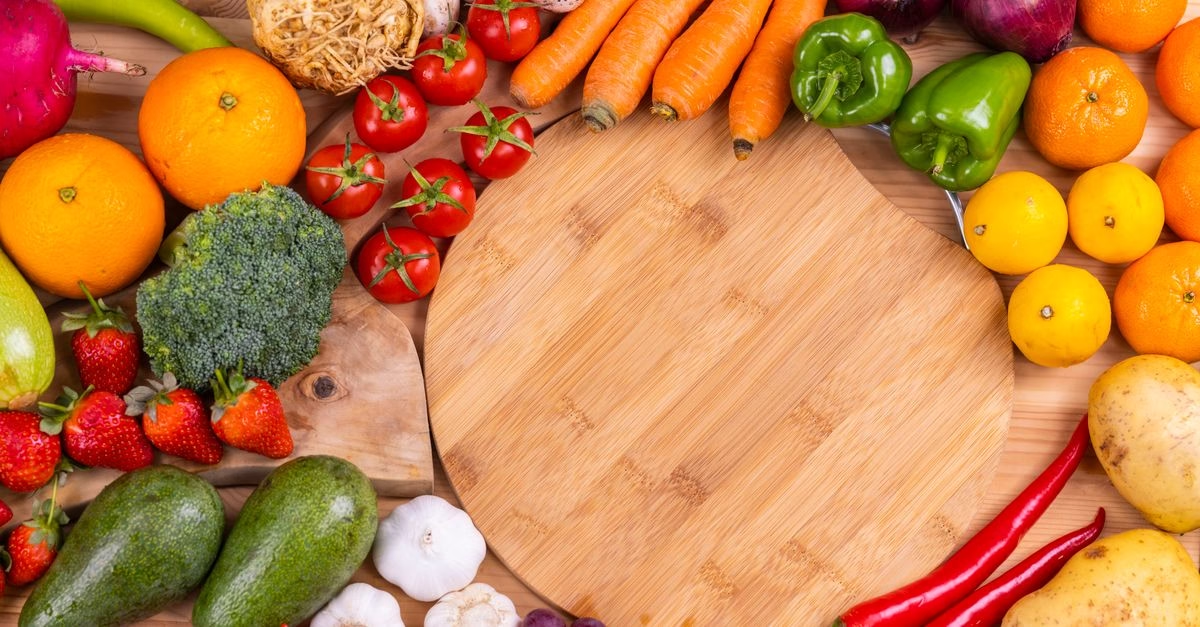
- Fiber-Rich Foods: Whole grains, fruits, veggies, and legumes are great for promoting regular bowel movements and overall gut health.
- Bone Broth: Rich in collagen and amino acids, bone broth is soothing and may help heal the gut lining.
Remember, everyone’s gut is unique, so personal experimentation may be necessary to see what works best for you!
What Can We Do?
Here are some practical steps you can take to support your gut health:
- Incorporate Probiotics: Add a serving of yogurt or a small portion of fermented foods to your daily meals.
- Eat More Fiber: Aim for at least 25 grams of fiber daily from sources like fruits, vegetables, legumes, and whole grains.
- Stay Hydrated: Drink plenty of water to support digestion and overall health.
- Manage Stress: Practice stress-relief techniques like yoga, mindfulness, or a simple walk outdoors.
- Limit Processed Foods: Focus on a whole-foods approach, avoiding excess sugar and unhealthy fats.
When Should You See a Doctor
If you experience the following symptoms, it might be time to consult with a healthcare professional:
- Severe or persistent pain
- Blood in stool
- Unexplained weight loss
- Persistent vomiting
- Fever
- Symptoms that suddenly worsen
- Symptoms continue despite reasonable lifestyle changes
Frequently Asked Questions
Why am I always bloated?
Bloating can occur for many reasons, including eating too quickly, food intolerances, or imbalances in gut bacteria. If bloating persists, consulting a healthcare professional is recommended.
Can food cause digestive problems?
Yes, certain foods can trigger digestive discomfort, especially if you have food sensitivities or a diet low in fiber.
What role do probiotics play in gut health?
Probiotics help replenish the good bacteria in your gut, aiding in digestion and promoting a balanced gut microbiome.
How can I know if I need to adjust my diet?
Keep a food diary to track what you eat and how you feel afterward. Notice any patterns indicating food sensitivities.
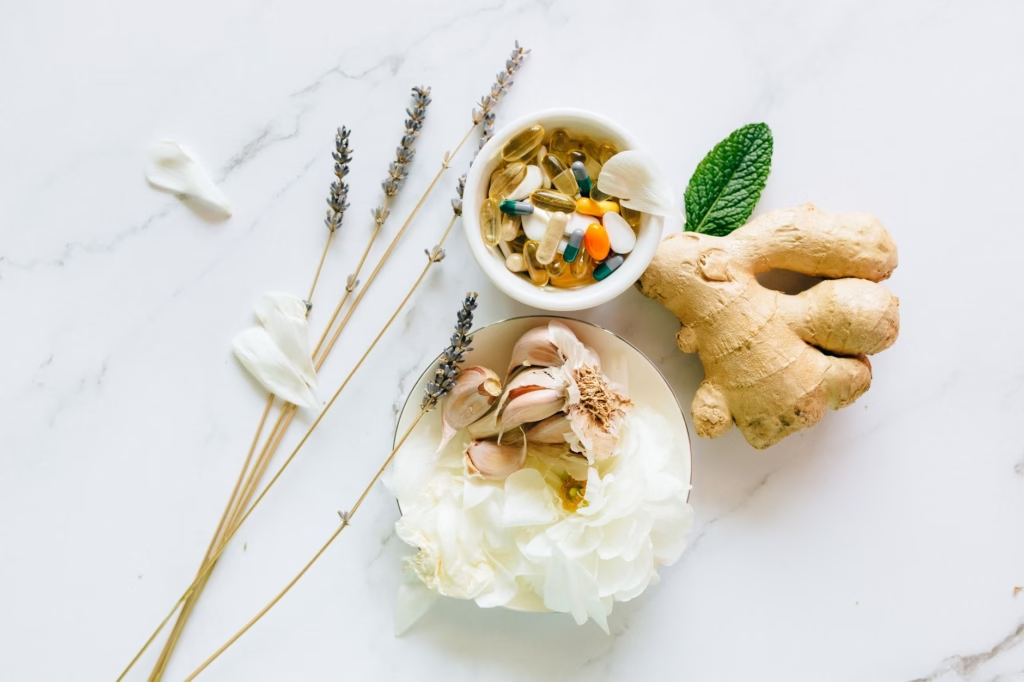
Do I need supplements for gut health?
Whole foods generally provide the best nutrition, but if you think you need supplements, consult a healthcare professional first.
Is gluten bad for everyone?
Gluten is not harmful for everyone, but some individuals, especially those with celiac disease or gluten intolerance, should avoid it.
How does stress affect my gut?
Stress can impact digestive function and may lead to symptoms like stomach cramps or irritable bowel syndrome (IBS).
Can a healthy gut improve my overall health?
A healthy gut can support a robust immune system, better nutrient absorption, and a pleasant overall sense of well-being.
What the Research Says About Foods That Help Your Gut Heal
Research highlights the importance of diet in maintaining gut health. A systematic review published in Frontiers in Microbiology suggests that a diverse and plant-based diet rich in fiber can enhance the gut microbiome diversity, promoting better digestion and overall health. Another study in the American Journal of Gastroenterology shows that probiotics from fermented foods can help alleviate symptoms of conditions like irritable bowel syndrome (IBS).
Overall, it’s clear that incorporating foods like probiotics, prebiotics, and fiber-rich options may provide tangible benefits for gut health. However, individual responses can vary, so it’s wise to monitor your body’s reactions and consult with healthcare providers when necessary.
Simple Daily Habits That May Support Better Health
Here are a few easy habits you can adopt to support your gut health:
- Practice mindful eating, take your time and chew your food well.
- Incorporate a variety of colorful fruits and vegetables into your meals.
- Get regular exercise, which can promote gut health and digestion.
- Aim for consistent sleep to help regulate your body’s natural rhythms.
Final Thoughts
We often overlook our gut health, but it plays a crucial role in our overall well-being. By understanding what foods help your gut heal, we can take proactive steps to improve our digestion and health. A balanced diet rich in probiotics, prebiotics, and fiber can nourish our gut and support a thriving microbiome.
It’s essential to remember that while these dietary approaches can be beneficial, real changes take time. If you notice persistent or concerning symptoms, discussing your situation with a healthcare provider is always a good idea. Together, we can work towards feeling our best!
Sources and References
National Institutes of Health: Gut Microbiota: A Key Player in Inflammation and Homeostasis. Available at: https://www.ncbi.nlm.nih.gov/pmc/articles/PMC5011046/.
Mayo Clinic: Probiotics: What They Are and How They Work. Available at: https://www.mayoclinic.org/tests-procedures/probiotics/about/pac-20385609.
Cleveland Clinic: The role of diet in gut health. Available at: https://health.clevelandclinic.org/diet-and-digestive-health/.
Harvard T.H. Chan School of Public Health: The Nutrition Source: Protein. Available at: https://www.hsph.harvard.edu/nutritionsource/what-should-you-eat/protein/.

Medical Disclaimer
This article is for general educational and informational purposes only. It is not intended to provide medical advice, diagnosis, or treatment. Health conditions can affect people differently, and information that is appropriate for one person may not be appropriate for another. If you have persistent, severe, or concerning symptoms, speak with a qualified healthcare professional for personalized advice.
Further Reading
Ivf Shot Schedule: 10 Things You Should Know
Omeprazole and Alcohol: Is It Safe to Mix?
what does a growth spurt in pregnancy feel like
Photo by Engin Akyurt on Pexels.
Frequently Asked Questions
Can drinking coffee affect my gut health?
Coffee can stimulate bowel movements and increase stomach acid production, which may trigger discomfort for some people. If you notice symptoms like acid reflux or cramps, try limiting your intake or switching to a lower-acid blend to see if your digestion improves.
Does exercise really help with digestion?
Yes, physical activity helps stimulate the natural contractions of your intestines, which can speed up digestion and reduce constipation. Gentle movement like walking or yoga is often enough to support regular bowel function.
Are artificial sweeteners harmful to my gut?
Some studies suggest that certain artificial sweeteners may alter the balance of gut bacteria. If you have a sensitive stomach, it is generally better to stick to whole foods and natural sweeteners in moderation.
How long does it take for gut health to improve?
Healing the gut is a gradual process that depends on the individual and the severity of the underlying issue. Consistent dietary changes often show improvements within a few weeks, but patience is key for long-term health.
The Bottom Line
Your gut health is foundational to your overall wellness and immune function. By focusing on whole, fiber-rich foods and supporting your microbiome with probiotics, you can take meaningful control of your digestive comfort. Listen to your body, stay consistent with healthy habits, and always reach out to a healthcare provider for personalized guidance if symptoms persist.