Key Takeaways
- Venous sinus stenosis often presents as a persistent, pulsatile ringing in the ears.
- Chronic, daily headaches that may worsen when lying down are a common clinical sign.
- Visual disturbances, such as brief moments of blurred vision, require prompt medical attention.
- Diagnosis typically involves advanced imaging like an MRI or MRV to visualize blood flow.
Understanding Venous Sinus Stenosis
If you have been experiencing persistent, unexplained head pressure or rhythmic sounds in your ears, you may be searching for answers. Many people come to us asking, What are the symptoms of venous sinus stenosis, and whether their discomfort is related to this vascular condition. Venous sinus stenosis refers to a narrowing of the dural venous sinuses, which are the large channels that carry deoxygenated blood away from the brain and back toward the heart.
When these channels become narrowed or blocked, blood flow can become turbulent or restricted. This change in flow can increase the pressure inside the skull, leading to a variety of neurological symptoms. While the condition is often associated with idiopathic intracranial hypertension, it can also occur in isolation. Understanding these symptoms is the first step toward getting the appropriate medical evaluation and relief.
It is important to remember that this article provides general information for educational purposes. It does not replace the advice of a medical professional. If you suspect you have symptoms related to your brain or vascular system, please schedule an appointment with a neurologist or a vascular specialist for a proper diagnosis.
Common Physical Symptoms and Sensations
The most frequently reported sign of venous sinus stenosis is pulsatile tinnitus. This is not the typical ringing in the ears that many people experience. Instead, it is a rhythmic sound that beats in time with your own heartbeat. People often describe it as a whooshing, thumping, or pumping sound that can be heard in one or both ears. Because it is synchronized with your pulse, it is a strong indicator of a vascular issue.
Headaches are another primary symptom of this condition. These are often described as chronic, daily headaches that do not respond well to over-the-counter pain relievers. The pain might feel like a steady pressure or a heavy weight. For many patients, the intensity of these headaches changes based on body position. You might notice that the pain worsens when you lie down flat or when you bend over, as these positions can influence the pressure within the venous system.
Some individuals also report visual disturbances. These can range from brief episodes of blurred vision to more concerning symptoms like transient vision loss. These moments of blurred vision often occur when changing positions quickly, such as standing up from a chair. Because these symptoms can mimic other neurological conditions, it is vital to keep a symptom diary to share with your healthcare provider during your consultation.

Neurological and Cognitive Effects
Beyond the physical sensations of pressure and sound, venous sinus stenosis can affect your cognitive state. Many patients report feelings of brain fog or difficulty concentrating. This is not necessarily a sign of a primary mental health disorder, but rather a reaction to the chronic discomfort and altered blood flow dynamics within the brain. It can feel as though your thoughts are sluggish or that you are struggling to maintain focus on daily tasks.
Fatigue is another common, yet often overlooked, symptom. Managing chronic headaches and the constant noise of pulsatile tinnitus is physically and mentally exhausting. This exhaustion can lead to irritability or a reduced threshold for stress. If you find that you are feeling persistently drained despite getting adequate sleep, it is worth discussing this with your doctor to determine if it is secondary to your neurological symptoms.
In some cases, people may experience dizziness or a sense of unsteadiness. This is often linked to the pressure changes that occur within the skull. While true vertigo, which is the spinning sensation, is less common, a general feeling of being off-balance can occur. This can impact your ability to perform routine activities and may lead to a decrease in your overall quality of life if left unmanaged.
Diagnostic Indicators and Clinical Observations
When you visit a doctor to discuss these symptoms, they will look for specific clinical markers. A physical exam is the first step, where the doctor may listen to your head with a stethoscope to see if they can hear a bruit, which is the sound of turbulent blood flow. While they cannot always hear it, this is a classic sign of a vascular narrowing.
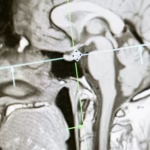
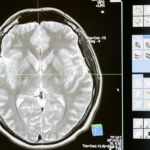
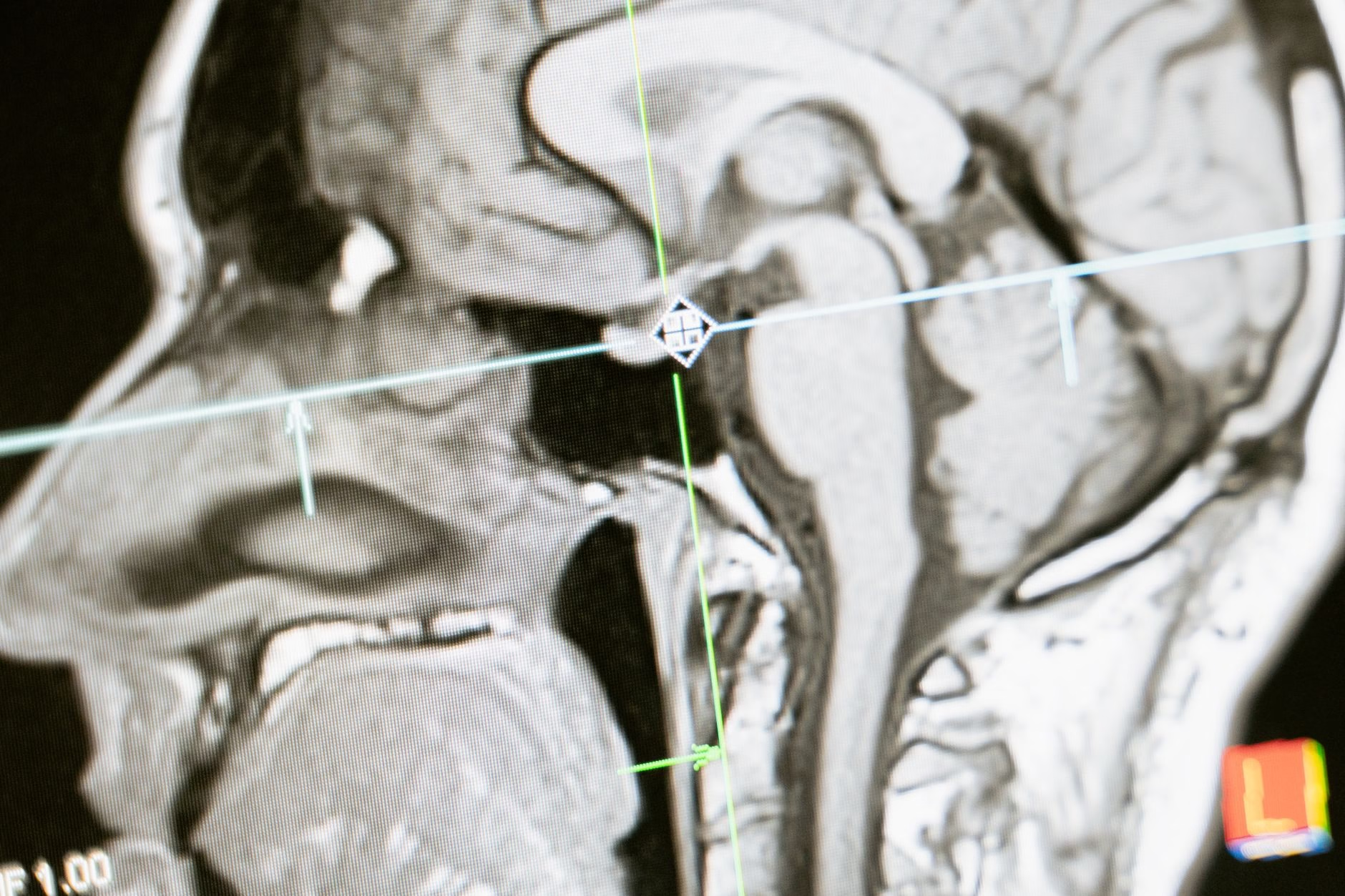
Doctors often use imaging to confirm the presence of stenosis. The most common tools include magnetic resonance imaging (MRI) and magnetic resonance venography (MRV). These tests allow the physician to visualize the structure of the venous sinuses and assess the flow of blood. They are non-invasive and provide a clear picture of whether the sinuses are narrowed.
| Symptom | Description | Common Trigger |
|---|---|---|
| Pulsatile Tinnitus | Rhythmic whooshing sound | Heartbeat synchronization |
| Chronic Headaches | Steady, heavy pressure | Lying flat or bending |
| Visual Changes | Blurred or transient vision | Positional changes |
| Brain Fog | Difficulty concentrating | Chronic fatigue |
Understanding the Causes of Stenosis
It is helpful to understand why the narrowing occurs. In many instances, the cause is idiopathic, meaning there is no clear underlying disease. However, sometimes the narrowing is a result of increased intracranial pressure, which causes the walls of the venous sinuses to collapse or narrow over time. This creates a cycle where the pressure and the narrowing reinforce each other.
Other factors can also contribute to the development of venous sinus stenosis. These include blood clotting disorders, hormonal fluctuations, or previous head trauma. Because the venous system is complex, even minor anatomical variations can sometimes predispose a person to narrowing. Your doctor will likely review your medical history to rule out these secondary factors during your evaluation.
Age and gender can also play a role in how the condition presents. While it can affect anyone, it is frequently identified in younger adults and is often seen in individuals who also have symptoms of intracranial hypertension. Recognizing that this is a structural issue rather than a psychological one is an important step in self-advocacy for your health.

When to Seek Urgent Medical Care
While venous sinus stenosis is generally a chronic condition, there are times when you should seek immediate medical attention. If you experience a sudden, severe headache that comes on like a thunderclap, this is a medical emergency. Similarly, any sudden loss of vision, weakness in your limbs, slurred speech, or confusion requires an immediate trip to the emergency department.
These symptoms could indicate that there is a more acute issue occurring, such as a blood clot or a significant change in intracranial pressure. Do not wait to see if the symptoms subside. It is always better to be evaluated by a medical professional when you are experiencing severe or rapidly changing neurological symptoms.
If your symptoms are manageable but persistent, you should still seek a referral to a neurologist. They have the specialized training to interpret imaging and recommend appropriate management strategies. You do not have to live with the constant discomfort of pulsatile tinnitus or chronic headaches without seeking a professional opinion.
Impact on Cerebrospinal Fluid Dynamics
Intracranial Pressure Alterations
Venous sinus stenosis often disrupts the delicate equilibrium of intracranial pressure by hindering the efficient drainage of blood from the brain. When these venous channels narrow, the resulting resistance can lead to a backup of pressure that alters the flow of cerebrospinal fluid. This mechanical obstruction forces the brain to compensate in ways that may cause persistent discomfort or structural strain. Patients frequently report that these pressure changes feel like a deep, heavy sensation within the skull that fluctuates throughout the day.
Secondary Effects on Brain Tissue
The prolonged elevation of venous pressure can lead to secondary manifestations in the brain tissue itself. As the venous system struggles to clear waste products and excess fluid, the surrounding parenchyma may experience localized edema or swelling. This response is a physiological attempt to accommodate the increased pressure within the cranial vault. Over time, this chronic state of elevated pressure can influence the overall functionality of the neurovascular unit, potentially affecting how the brain manages its internal environment.
- Increased risk of papilledema due to pressure transmission.
- Alterations in the rate of cerebrospinal fluid absorption.
- Potential for subtle white matter changes observed on imaging.

Lifestyle Factors and Symptom Modulation
The Role of Posture and Physical Activity
The physical orientation of the body significantly influences venous drainage patterns, particularly in individuals with stenosis. Many patients notice that symptoms intensify when lying flat, as this position removes the gravity assisted drainage that occurs while standing or sitting upright. Conversely, intense physical exertion might exacerbate the sensation of pressure due to increased cardiac output and blood flow to the brain. Understanding these triggers allows patients to better manage their daily activities and minimize unnecessary discomfort.
Environmental and Dietary Influences
Certain environmental factors and dietary habits can indirectly influence the severity of symptoms associated with venous sinus stenosis. High sodium intake can contribute to fluid retention, which may theoretically increase the volume of blood and cerebrospinal fluid within the skull. Furthermore, exposure to extreme temperatures or high altitudes can place additional stress on the vascular system. Maintaining a stable environment and monitoring dietary choices are practical steps that some individuals use to modulate the frequency of their symptoms.
- Elevation of the head during sleep to aid venous return.
- Monitoring salt intake to prevent fluid retention.
- Tracking physical exertion levels during daily routines.
Long Term Vascular Adaptations
Collateral Venous Circulation
In response to chronic stenosis, the human body often attempts to create alternative pathways for blood to exit the cranium. These collateral veins develop to bypass the obstructed sinus, effectively rerouting blood flow to maintain homeostasis. While this adaptation is a natural defense mechanism, these collateral vessels may not be as efficient as the primary sinuses. The development of these pathways can sometimes lead to localized vascular congestion or unusual sensations in the neck and scalp region.
Vascular Remodeling and Stability
The walls of the venous sinuses may undergo structural remodeling as they adapt to persistent pressure gradients. This process involves changes in the thickness and elasticity of the vessel walls to accommodate the mechanical stress of restricted flow. While this remodeling can stabilize the condition for some patients, it also highlights the chronic nature of the underlying stenosis. Regular clinical monitoring is essential to ensure that these adaptations do not progress into more severe vascular complications that could require medical intervention.
- Development of prominent scalp veins as a sign of collateral flow.
- Potential for structural changes in the venous sinus walls.
- Importance of longitudinal imaging to monitor vascular stability.
Frequently Asked Questions
Is venous sinus stenosis a life-threatening condition?
In most cases, venous sinus stenosis is not life-threatening, but it can significantly affect your quality of life. It is a structural condition that often requires management to alleviate symptoms. However, any neurological symptom should be evaluated by a doctor to rule out more serious underlying causes.
Can diet and lifestyle changes fix venous sinus stenosis?
While a healthy lifestyle is always beneficial, diet alone cannot correct a structural narrowing of the venous sinuses. Management often involves medical interventions, such as medications to reduce pressure or, in specific cases, procedures like stenting to open the narrowed vessel.
Does this condition always cause pulsatile tinnitus?
No, not everyone with venous sinus stenosis experiences pulsatile tinnitus. Some people may only have headaches, while others might have very mild or no symptoms at all. The severity and type of symptoms vary greatly from person to person.
How is the condition typically treated?
Treatment depends on the severity of symptoms and the underlying cause. It may include medications to manage intracranial pressure, weight management if relevant, or surgical interventions such as venous stenting to restore normal blood flow through the narrowed sinus.
The Bottom Line
Understanding the symptoms of venous sinus stenosis is empowering. By recognizing signs like pulsatile tinnitus, chronic positional headaches, and visual disturbances, you can have a more productive conversation with your healthcare provider. While the condition can be disruptive, modern imaging and specialized neurological care offer paths to effective management and improved quality of life. If you are struggling with these symptoms, reach out to a medical professional today to start your journey toward clarity and comfort.