Key Takeaways
- Eye discharge during a sinus infection often results from inflammation spreading to nearby tissues.
- Common sinus symptoms include facial pressure, congestion, and discolored nasal mucus.
- Seek medical attention if you experience vision changes, eye swelling, or high fever.
- Most sinus infections are viral, but bacterial infections may require professional medical care.
Understanding Sinus Infection Symptoms Eye Discharge
When you are battling a respiratory illness, it can be alarming to notice unusual physical changes. If you are researching sinus infection symptoms eye discharge, you are likely looking for answers about why your eyes feel irritated or are producing mucus while your sinuses are congested. While sinus infections, medically known as sinusitis, are primarily associated with nasal congestion and facial pain, the proximity of the sinuses to the eyes means that symptoms can occasionally overlap in ways that cause concern.
Sinusitis occurs when the lining of your sinuses becomes inflamed or swollen. This often happens after a cold, allergies, or other respiratory triggers. Because your sinuses are hollow cavities located behind your forehead, eyes, and cheekbones, the swelling can create pressure throughout your face. When this inflammation is severe or involves specific sinuses near the eye sockets, it can lead to secondary symptoms such as tearing, redness, or discharge from the eyes.
It is important to remember that while these symptoms can be uncomfortable, they are often a sign that your body is working to manage inflammation. However, because the eyes are sensitive, any discharge or swelling should be monitored closely. This guide will help you understand the relationship between your sinuses and your eyes, identify when to seek help, and explain how to manage your recovery safely.

The Connection Between Sinuses and Eye Health
The human skull is designed with a complex network of air-filled cavities called sinuses. These spaces are lined with thin membranes that produce mucus, which normally drains into your nose. When these pathways become blocked by swelling or excess mucus, the fluid becomes trapped, creating a perfect environment for viruses or bacteria to multiply. This is the root cause of the discomfort you feel during an infection.
The sinuses located in the cheekbones, known as the maxillary sinuses, and the sinuses between the eyes, known as the ethmoid sinuses, are located in very close proximity to the eye sockets. When these specific areas become heavily inflamed, the pressure can extend outward. This pressure can compress the tear ducts or irritate the conjunctiva, which is the thin, clear membrane that covers the white part of your eye.
When the conjunctiva becomes irritated, it may produce a watery or slightly sticky discharge. It is also common for the eyelids to feel puffy or heavy due to the surrounding sinus inflammation. While this is rarely a sign of a primary eye infection, it is a direct consequence of the inflammatory process occurring in the nearby sinus cavities. Distinguishing between sinus-related irritation and a primary eye infection like pink eye is essential for choosing the right approach to care.
Common Indicators of Sinusitis
Recognizing the broader symptoms of a sinus infection can help you determine if your eye issues are related to your sinuses. Most people with sinusitis will report a combination of symptoms that affect the head and nasal passages. These symptoms usually develop over a few days and can vary in intensity depending on whether the infection is viral or bacterial.
Common signs of a sinus infection include:
- Persistent nasal congestion or stuffiness
- Thick, discolored nasal discharge that may be yellow or green
- Facial pain or pressure, particularly around the forehead, cheeks, and eyes
- A reduced sense of smell or taste
- Headaches that feel worse when bending forward
- Fatigue and a general feeling of being unwell
If you notice these symptoms alongside eye discharge, it is highly likely that the sinus inflammation is the primary culprit. The discharge from the eyes in these cases is typically clear or watery. If the discharge becomes thick, opaque, or is accompanied by intense pain within the eye itself, this may indicate a different or more serious condition that requires a professional medical evaluation.
When to Seek Professional Medical Advice
While many sinus infections resolve on their own with rest and home care, there are times when you should consult a doctor. Because the eyes are involved, it is important to be cautious. If your sinus infection symptoms eye discharge are accompanied by specific warning signs, you should reach out to a healthcare provider promptly to ensure you are receiving the correct treatment.
You should seek medical attention if you notice any of the following:
- Severe swelling or redness around one or both eyes
- Changes in your vision, such as blurriness or double vision
- High fever that persists for several days
- A stiff neck or extreme sensitivity to light
- Symptoms that do not improve after ten days or that get better and then suddenly worsen
- Severe facial pain that is not managed by over-the-counter pain relievers
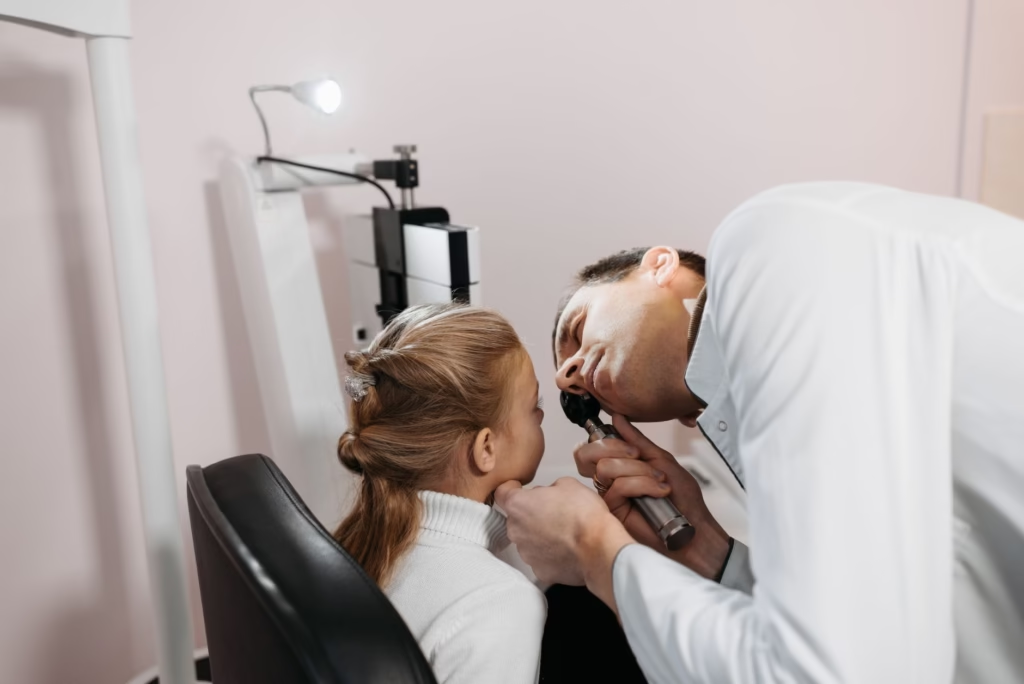
A doctor can perform a physical examination to look into your nasal passages and evaluate your eyes. They can determine if you have a secondary bacterial infection that requires antibiotics or if your symptoms are purely viral, in which case supportive care is the best strategy. Never attempt to treat eye symptoms with leftover prescription drops without a doctor’s guidance.
Differentiating Between Sinusitis and Other Eye Conditions
It can be confusing to tell the difference between sinus-related eye irritation and other common eye conditions like allergic conjunctivitis or bacterial pink eye. Understanding the differences can help you communicate more effectively with your doctor. The table below outlines some key differences in presentation.
| Symptom | Sinusitis-Related | Allergic Conjunctivitis | Bacterial Pink Eye |
|---|---|---|---|
| Primary Cause | Sinus inflammation | Allergens | Bacterial infection |
| Eye Discharge | Watery or clear | Watery and itchy | Thick, yellow, or green |
| Nasal Symptoms | Congestion, pressure | Sneezing, runny nose | Usually absent |
| Itchiness | Minimal | Very intense | Mild to moderate |
As the table shows, the presence of heavy, crusty, or colored eye discharge is less common with sinus infections and more common with bacterial eye infections. If your eyes are extremely itchy, allergies are a likely trigger. If your eyes are producing a thick, yellow pus that causes the eyelids to stick together in the morning, this is a strong indicator of an infection that needs medical assessment.

Managing Sinus Symptoms at Home
If your symptoms are mild and you do not have any of the warning signs listed above, there are several ways to manage your discomfort at home. The goal is to reduce the inflammation in your nasal passages, which will subsequently alleviate the pressure on your eyes. Staying well-hydrated is one of the most effective ways to thin out mucus, making it easier to drain.
You may also find relief through the following strategies:
- Warm compresses: Apply a clean, warm, damp cloth to your face, specifically over the sinus areas and closed eyes, to help loosen mucus and soothe pressure.
- Steam inhalation: Breathe in steam from a bowl of hot water or a hot shower to help open up the nasal passages.
- Saline rinses: Use a neti pot or a sterile saline spray to flush out irritants and excess mucus from your nose.
- Rest: Give your immune system the time it needs to fight off the infection by getting plenty of sleep.
- Elevate your head: Use an extra pillow while sleeping to help your sinuses drain more effectively throughout the night.
Always ensure that any equipment used for rinsing, such as a neti pot, is cleaned thoroughly and that you use distilled or boiled and cooled water. Using tap water for sinus irrigation can introduce harmful bacteria or microorganisms into your nasal cavities.
Frequently Asked Questions
Can a sinus infection cause my eyes to feel gritty?
Yes, the inflammation from nearby sinuses can cause your eyes to feel dry, gritty, or irritated. This is often due to the reduction of normal tear flow or general facial inflammation affecting the eyelid position. Using artificial tears can help provide temporary relief.
Why is there yellow discharge in my eyes if I have a sinus infection?
While watery discharge is common, yellow discharge can sometimes occur if the infection has spread or if you have a secondary bacterial conjunctivitis. Because yellow discharge is often a sign of bacterial presence, it is best to have a doctor examine the eye to rule out a separate infection.
How long should I wait before seeing a doctor for these symptoms?
If your symptoms persist beyond ten days without improvement, or if you experience a ‘double sickening’, where you start to feel better and then suddenly feel much worse, you should contact a healthcare professional to rule out a bacterial sinus infection.
Are over-the-counter eye drops safe for sinus-related eye irritation?
Over-the-counter lubricating eye drops are generally safe for soothing dryness. However, you should avoid medicated drops, such as those for redness or allergies, unless specifically recommended by a doctor, as they may not be appropriate for the underlying cause of your irritation.
The Bottom Line
Dealing with sinus infection symptoms eye discharge can be an uncomfortable experience, but understanding the link between your facial anatomy and your eyes can help you stay calm and take the right steps. In most cases, these symptoms are a temporary byproduct of sinus inflammation. By focusing on hydration, rest, and gentle home care, you can often find significant relief. However, always prioritize your eye health by watching for warning signs like vision changes or severe redness. When in doubt, a visit to your doctor is the safest way to ensure proper diagnosis and effective treatment for your sinus health.