Key Takeaways
- Transverse venous sinus stenosis involves a narrowing of the brain's venous drainage channels.
- The most common symptom is pulsatile tinnitus, a whooshing sound in the ears.
- Headaches and vision disturbances are frequent clinical indicators that require medical evaluation.
- Diagnosis typically involves advanced imaging like MRV or CTV scans to visualize blood flow.
Understanding Transverse Venous Sinus Stenosis
When discussing brain health, we often focus on arteries, but the venous system is equally vital for maintaining proper pressure and blood flow. Transverse venous sinus stenosis symptoms often emerge when the large veins that drain blood from the brain become narrowed. This condition, which involves the transverse sinuses located at the back of the skull, can disrupt the normal flow of blood, leading to an increase in intracranial pressure.
Recognizing these signs early is important for seeking the right medical advice. Because the brain is encased in a rigid skull, even small changes in pressure can manifest as distinct physical sensations. If you or a loved one are experiencing persistent neurological changes, understanding the link between venous narrowing and these symptoms is the first step toward finding relief.
The Primary Indicator: Pulsatile Tinnitus
One of the most characteristic features associated with this condition is pulsatile tinnitus. Unlike regular ringing in the ears, which is often constant, pulsatile tinnitus sounds like a rhythmic whooshing, thumping, or beating sensation that often matches the rhythm of your heartbeat. It occurs because the narrowed sinus creates turbulent blood flow, which the inner ear can detect as sound.
Patients frequently describe this sound as being louder at night or when lying down, as changes in body position can affect venous return. The sound may be intermittent or persistent, and it can be highly disruptive to sleep and daily focus. If you hear a heartbeat in your ear, it is a clear signal to consult with a healthcare professional to rule out vascular issues.

Headaches and Intracranial Pressure
Headaches are another common manifestation of venous sinus narrowing. Because the narrowing can lead to a slight backup of blood, the pressure inside the skull may rise. This is often referred to as intracranial hypertension. These headaches are frequently described as a dull, throbbing pressure that feels worse upon waking or after physical exertion.
Unlike tension headaches, these sensations may feel more global, affecting the entire head rather than just one side. They may also be accompanied by nausea or sensitivity to light. If you notice that your headaches are becoming more frequent, severe, or resistant to over-the-counter pain relievers, it is essential to track these patterns for your doctor.
Vision Disturbances
Because the eyes are connected to the brain through the optic nerves, elevated pressure in the skull can sometimes affect vision. This is a serious symptom that requires prompt medical attention. Some individuals report temporary blurring or moments where their vision seems to dim, particularly when bending over or straining.
In some cases, the pressure can cause swelling of the optic nerve head, a condition known as papilledema. While you cannot see this yourself, an eye doctor might notice it during a routine eye exam. If you experience sudden vision loss, double vision, or persistent blurry spots, seek emergency medical care immediately.
Comparing Common Neurological Symptoms
It can be difficult to distinguish between various causes of head discomfort. The following table highlights common symptoms associated with venous sinus issues compared to other common conditions.
| Symptom | Venous Sinus Stenosis | Tension Headache | Migraine |
|---|---|---|---|
| Pulsatile Tinnitus | Common | Rare | Rare |
| Pressure-like Pain | Frequent | Frequent | Occasional |
| Vision Changes | Possible | No | Common |
| Rhythmic Sensation | Yes | No | No |
Other Potential Symptoms and Signs
Beyond the primary indicators, some people may experience more subtle neurological symptoms. These can include cognitive fatigue, difficulty concentrating, or a feeling of brain fog that does not seem to go away. These symptoms often stem from the body dealing with chronic, low-level pressure changes that impact overall energy levels.
Some individuals also report neck stiffness or a feeling of heaviness at the base of the skull. Because the transverse sinuses are located near the back of the head, it is common for the sensation of pressure to be localized there. Always report any new or worsening neurological symptom to your primary care provider so they can perform a thorough neurological exam.

How Doctors Diagnose Venous Issues
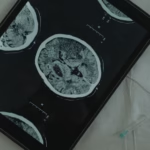
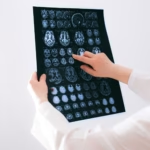
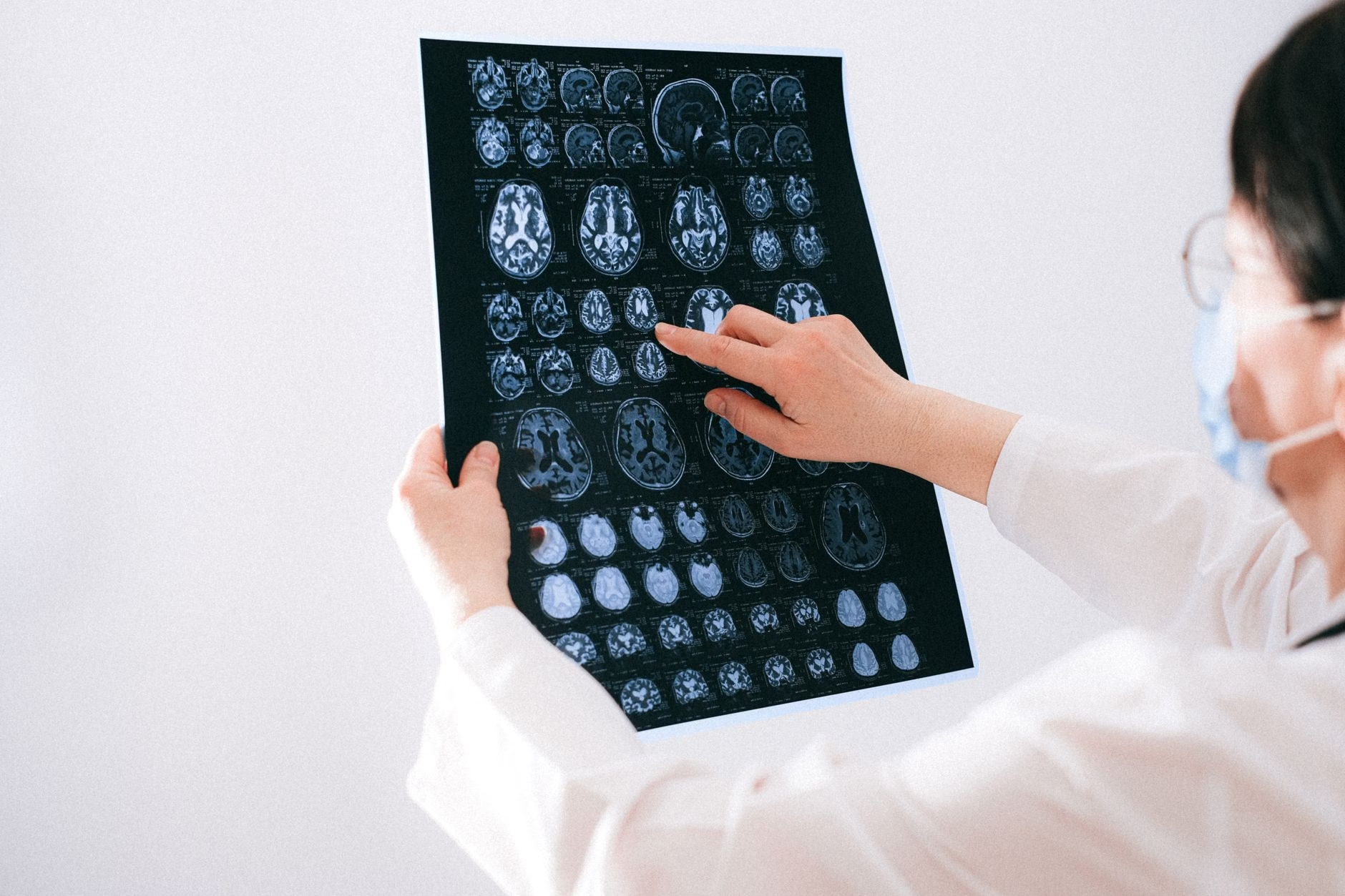
When you visit a doctor, they will likely start with a physical and neurological examination. If they suspect venous sinus stenosis, they will move toward imaging studies. These are the gold standard for confirming a diagnosis and viewing the structure of the venous system.
- Magnetic Resonance Venography (MRV): A specialized MRI that focuses specifically on the veins.
- Computed Tomography Venography (CTV): A CT scan that uses contrast dye to map out blood flow.
- Lumbar Puncture: Sometimes used to measure the actual pressure of the cerebrospinal fluid if hypertension is suspected.
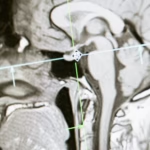
These tests are generally non-invasive and provide high-resolution images that allow radiologists to see exactly where the narrowing occurs. By visualizing the blood vessels, doctors can determine if the stenosis is significant enough to warrant specific interventions or if monitoring is a better approach.
Managing Your Symptoms and Next Steps
Living with these symptoms requires a proactive approach to your health. Once a diagnosis is confirmed, your medical team will help you develop a management plan. This might include medications to lower pressure, lifestyle adjustments, or, in specific cases, procedures to help open the narrowed vein.
It is important to follow all instructions provided by your neurologist or vascular specialist. Do not attempt to self-treat with supplements or unverified remedies, as these can sometimes interfere with necessary medications or mask symptoms that require urgent medical intervention.
The Role of Hemodynamics in Venous Outflow
Mechanisms of Venous Pressure Elevation
Transverse venous sinus stenosis significantly alters the hemodynamics of the intracranial venous system. When the lumen of the transverse sinus narrows, the resistance to blood flow increases substantially. This elevation in venous pressure can impede the drainage of cerebrospinal fluid from the subarachnoid space into the venous circulation. Consequently, the brain experiences a state of chronic venous congestion which may contribute to the persistence of neurological symptoms. Understanding these physical changes is essential for clinicians evaluating patients who present with atypical pressure sensations in the head.
Impact on Cerebral Perfusion
Reduced venous outflow can affect the overall perfusion pressure of the brain. When blood cannot exit the cranium efficiently, the pressure gradient required for arterial blood to supply oxygenated nutrients is diminished. This physiological bottleneck may cause subtle cognitive fatigue or feelings of mental fogginess that patients often struggle to describe. Addressing the stenosis is not merely about mechanical widening but about restoring the natural flow dynamics required for optimal cerebral function.
- Increased upstream venous pressure leading to potential edema.
- Reduced efficiency in the absorption of cerebrospinal fluid.
- Alterations in the velocity of blood flow across the stenotic segment.
- Potential for collateral venous circulation development as a compensatory mechanism.

Neuropsychiatric Manifestations and Cognitive Load
The Connection Between Venous Stasis and Cognitive Fatigue
Patients with transverse venous sinus stenosis frequently report experiences of mental exhaustion that do not correlate with physical activity levels. This cognitive fatigue is often characterized by a reduced ability to maintain focus during complex tasks or prolonged periods of concentration. Chronic venous congestion may influence the metabolism of brain tissue, leading to a sensation of being overwhelmed by routine stimuli. It is important for medical providers to screen for these cognitive markers during the clinical assessment of venous outflow disorders.
Psychological Impact of Chronic Symptom Burden
Living with the unpredictable nature of symptoms related to venous sinus stenosis often exerts a significant toll on a patient’s psychological health. The constant presence of auditory symptoms or pressure sensations can lead to heightened anxiety or depressive symptoms. When the underlying cause remains undiagnosed or misunderstood, the psychological strain is often exacerbated. Recognizing the psychosocial impact of this condition is a vital component of a comprehensive and patient-centered treatment approach.
- Difficulty with executive functioning and multi-tasking.
- Increased sensitivity to sensory stimuli such as bright lights or noise.
- Feelings of irritability related to persistent neurological discomfort.
- Symptoms of anxiety exacerbated by the uncertainty of a chronic diagnosis.
The Intersection of Lifestyle Factors and Venous Health
Influence of Posture and Physical Positioning
The positioning of the head and neck plays a notable role in the severity of symptoms for many individuals with venous stenosis. Gravity influences the drainage of blood from the cranium, and certain postures may aggravate the resistance at the site of the stenosis. Patients often notice that their symptoms fluctuate based on whether they are lying down, sitting upright, or engaging in physical exertion. Maintaining awareness of these positional triggers can help patients manage their daily activities more effectively while awaiting further medical intervention.
The Importance of Vascular Risk Factor Management
While transverse venous sinus stenosis is often an anatomical or developmental finding, overall vascular health remains a critical factor in symptom severity. Conditions that affect systemic blood pressure or blood viscosity can place additional strain on the venous outflow pathways. Adopting a heart-healthy diet and staying adequately hydrated are standard recommendations to support optimal venous circulation. By minimizing systemic inflammation and maintaining healthy blood pressure levels, patients may reduce the physiological stress placed on the intracranial venous system.
- Avoidance of prolonged positions that exacerbate venous congestion.
- Maintenance of adequate hydration to support healthy blood viscosity.
- Management of systemic blood pressure to reduce vascular strain.
- Regular engagement in gentle physical activities that promote circulation.
Frequently Asked Questions
Is transverse venous sinus stenosis always dangerous?
Not every case is dangerous. Many people have some degree of narrowing that causes no symptoms at all. However, if you are experiencing symptoms, it is important to have it evaluated to prevent potential complications from increased pressure.
Can lifestyle changes help with these symptoms?
While lifestyle changes like maintaining a healthy weight and managing blood pressure are excellent for overall vascular health, they are usually not a cure for structural stenosis. Always discuss specific changes with your doctor.
What happens if I ignore the symptoms?
Ignoring symptoms, especially vision changes or severe headaches, can lead to worsening pressure and potential damage to the optic nerve. Early detection is key to preventing long-term complications.
How is the condition treated?
Treatment varies based on severity. It may range from medication to manage pressure to minimally invasive procedures such as stenting, where a small mesh tube is placed to keep the vein open.
The Bottom Line
Transverse venous sinus stenosis symptoms are your body’s way of signaling that something is affecting the pressure or flow within your brain’s venous system. The presence of a rhythmic whooshing sound in your ears, combined with persistent headaches or vision changes, warrants a visit to a medical professional. With modern imaging and expert care, these conditions can be accurately diagnosed and managed effectively. Prioritize your neurological health by paying attention to these signs and seeking the guidance of a qualified doctor to ensure you receive the appropriate care for your specific needs.