Key Takeaways
- Venous sinus stenosis involves the narrowing of veins in the brain.
- Pulsatile tinnitus is a hallmark symptom of this condition.
- Persistent headaches and vision changes require medical evaluation.
- Imaging tests are essential for an accurate diagnosis.
Understanding Venous Sinus Stenosis
When we talk about brain health, we often focus on the arteries that carry oxygenated blood to the brain. However, the veins that carry blood away from the brain are equally vital. Venous sinus stenosis symptoms occur when these specific channels, known as dural venous sinuses, become narrowed or constricted. This narrowing can disrupt the normal flow of blood back toward the heart, potentially leading to increased pressure within the skull.
Because the brain is encased in the rigid structure of the skull, even small changes in fluid dynamics can cause noticeable discomfort. Recognizing the signs early is important for getting the right care. This guide aims to demystify these symptoms and provide you with the information you need to discuss your health effectively with a doctor.
It is important to remember that the information provided here is for educational purposes only. If you suspect you are experiencing any of these issues, please consult a qualified healthcare provider. They can perform the necessary physical exams and imaging studies to determine the root cause of your symptoms.
Common Clinical Signs
The most frequently reported indicator of this condition is a specific type of sound sensation. Patients often describe hearing a rhythmic pulsing or whooshing sound in one or both ears. This is known as pulsatile tinnitus. Unlike the constant ringing of typical tinnitus, this sound often matches the rhythm of the heartbeat.
Headaches are another common complaint associated with narrowed venous sinuses. These headaches can vary in intensity and may feel like a dull ache or a sharp pressure. Some individuals report that these headaches worsen when they lie down or exert themselves physically, as these activities can temporarily increase intracranial pressure.
Visual disturbances may also occur in some cases. If the pressure inside the skull becomes elevated due to the restricted blood flow, it can affect the optic nerves. You might notice brief episodes of blurred vision, double vision, or even temporary dimming of your sight. These symptoms should always be taken seriously and evaluated by a medical professional promptly.

Why Narrowing Occurs
Venous sinus stenosis is not always a disease in itself; rather, it is often a finding that can be associated with other conditions. In many healthy individuals, some degree of narrowing is observed on imaging scans without causing any symptoms at all. However, when the narrowing is significant, it becomes clinically relevant.
One of the primary drivers of this condition is Idiopathic Intracranial Hypertension, or IIH. In this condition, the pressure of the fluid surrounding the brain is higher than normal. This pressure can compress the venous sinuses, creating a cycle where the pressure causes the narrowing, and the narrowing contributes to further pressure buildup.
Other factors can also contribute to the development of these symptoms. These may include blood clotting disorders, history of head trauma, or inflammatory conditions that affect the blood vessels. Understanding the underlying cause is a crucial step in developing an effective management plan with your healthcare team.
Impact on Daily Life
Living with chronic symptoms like pulsatile tinnitus or persistent headaches can be challenging. These symptoms can interfere with your concentration, sleep quality, and overall mood. Many people find that the unpredictability of these sensations leads to increased stress or anxiety.
Physical activity can sometimes trigger or worsen symptoms. For instance, bending over, lifting heavy objects, or straining can lead to a temporary spike in pressure. Learning to pace your daily activities and avoiding heavy lifting may help manage these moments of discomfort while you seek professional medical guidance.
It is also helpful to maintain a healthy lifestyle to support vascular health. While this does not cure the structural narrowing, managing blood pressure and staying hydrated can help your body maintain optimal blood flow. Always discuss any lifestyle changes with your doctor before starting them.
Diagnostic Procedures
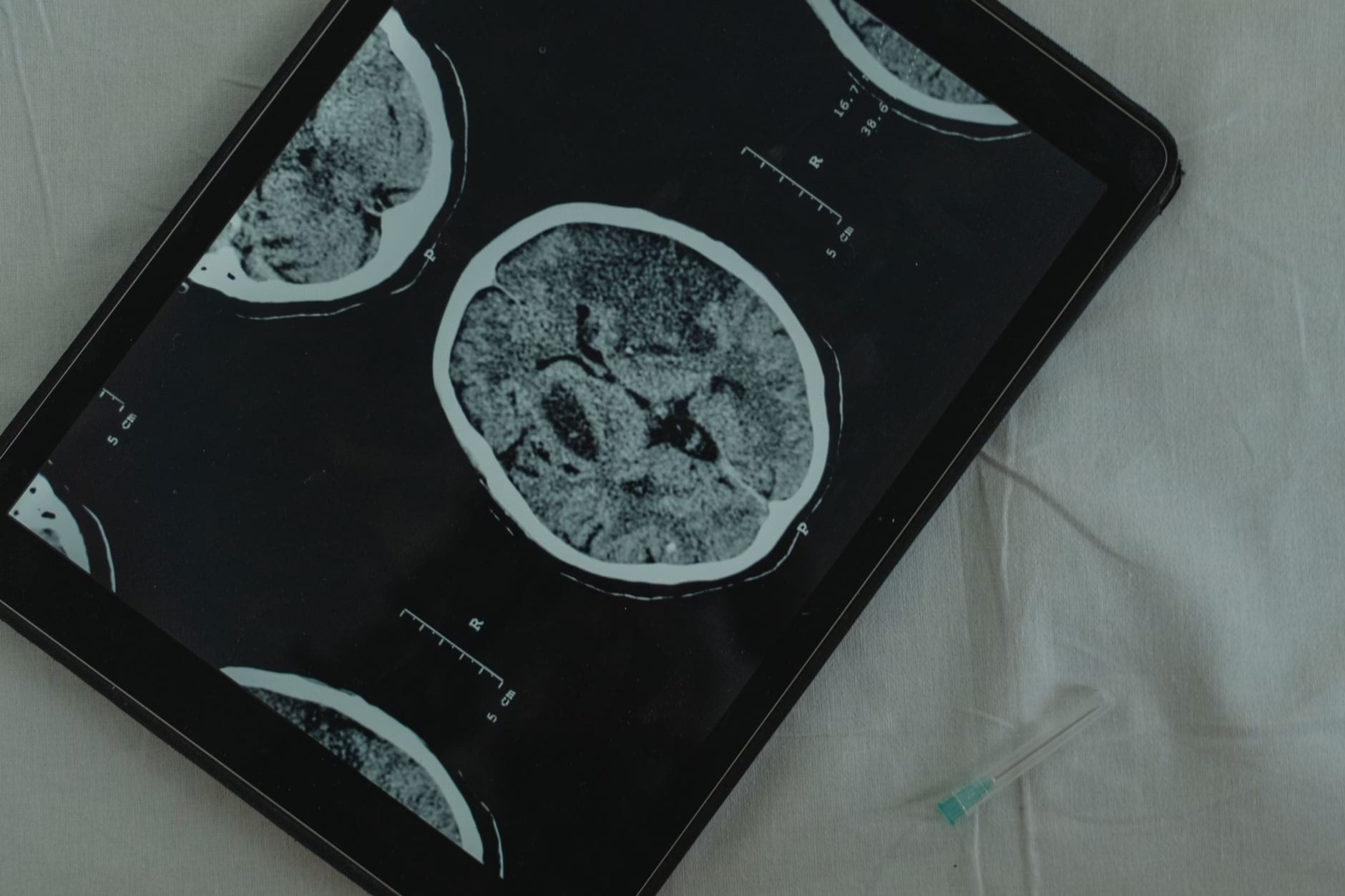
To diagnose venous sinus stenosis, doctors rely on specialized imaging technology. Because the venous system is complex, standard tests may not always show the full picture. Your doctor might recommend specific types of scans that look closely at blood flow and vascular structure.
Magnetic Resonance Venography (MRV) is a common tool used to visualize the veins in the brain. It provides clear images of the venous sinuses and can highlight areas where the blood flow is constricted. This is often paired with an MRI of the brain to rule out other potential causes for your symptoms.
In some cases, a lumbar puncture might be performed to measure the exact pressure of the cerebrospinal fluid. This is particularly relevant if your doctor suspects that the stenosis is related to high intracranial pressure. The table below summarizes some common diagnostic methods used in clinical practice.
| Test | Purpose |
|---|---|
| MRV Scan | Visualizes venous structures |
| MRI Brain | Rules out other brain conditions |
| Lumbar Puncture | Measures fluid pressure |
| Ophthalmological Exam | Checks for nerve swelling |

Management and Treatment Options
Treatment for venous sinus stenosis is highly individualized. If the stenosis is asymptomatic or causing only mild discomfort, a doctor may recommend simple observation and regular follow-up appointments to ensure the condition remains stable.
If the symptoms are related to high intracranial pressure, medications are often the first line of defense. These drugs help reduce the production of cerebrospinal fluid or help the body eliminate excess fluid, which in turn lowers the pressure within the skull and relieves the stress on the venous sinuses.
In more complex or persistent cases, surgical interventions may be discussed. One common procedure is venous sinus stenting. During this minimally invasive procedure, a small mesh tube is placed inside the narrowed vein to hold it open and improve blood flow. This is typically reserved for cases where other treatments have not provided sufficient relief.
Neurological Complications and Cognitive Shifts
Cognitive Fatigue and Executive Function
Patients with venous sinus stenosis often report a profound sense of cognitive fatigue that differs significantly from typical tiredness. This mental exhaustion frequently impacts executive functions such as task switching, memory retention, and sustained focus throughout the workday. The physiological basis for this is believed to be related to impaired venous outflow, which can lead to localized venous congestion and altered cerebral hemodynamics. When the brain cannot clear metabolic waste efficiently, patients may experience a persistent brain fog that complicates professional and personal responsibilities.
Neuropsychiatric Manifestations
Beyond cognitive slowing, some individuals experience shifts in mood and emotional regulation as a direct result of intracranial pressure changes. Chronic venous hypertension can influence the limbic system, potentially exacerbating symptoms of anxiety or depressive states in susceptible individuals. It is essential for clinicians to evaluate whether these psychiatric symptoms are secondary to the underlying vascular pathology. Addressing the stenosis can sometimes lead to an improvement in these associated emotional disturbances.
- Persistent mental fatigue despite adequate sleep
- Difficulty with complex multi-tasking
- Increased irritability or emotional lability
- Reduced threshold for sensory overload
The Role of Intracranial Pressure Dynamics
Intracranial Hypertension and Pulsatile Tinnitus
The relationship between venous sinus stenosis and intracranial hypertension is a central focus of modern neurovascular research. When the transverse or sigmoid sinus narrows, it creates a pressure gradient that forces the brain to compensate for the restricted outflow. This phenomenon often manifests as pulsatile tinnitus, where the patient hears a rhythmic whooshing sound synchronized with their heartbeat. This sound occurs because blood flow becomes turbulent as it passes through the narrowed segment of the venous channel.
Visual Disturbances and Papilledema
In cases where the stenosis leads to significant intracranial pressure elevation, the optic nerves may become affected. This condition, known as papilledema, involves the swelling of the optic discs due to increased pressure within the subarachnoid space. Patients may notice transient visual obscurations, blurred vision, or double vision that fluctuates depending on their body position. Regular ophthalmological screenings are crucial for patients diagnosed with significant venous narrowing to prevent permanent vision loss.
- Rhythmic sound in one or both ears
- Transient blurring of vision upon standing
- Increased pressure sensation behind the eyes
- Peripheral vision loss in advanced stages
Lifestyle Modifications and Supportive Care
Ergonomic Adjustments and Positional Awareness
Managing the symptoms of venous sinus stenosis often requires careful attention to daily posture and physical ergonomics. Because venous drainage can be influenced by gravity and neck positioning, many patients find relief by adjusting their workstation setup to avoid prolonged neck flexion. Keeping the head in a neutral position helps minimize external pressure on the jugular veins, which can theoretically improve overall venous return. Small changes, such as raising a computer monitor to eye level, can significantly reduce the frequency of positional headaches.
Integrative Approaches to Symptom Management
While medical interventions remain the primary treatment, supportive care strategies can play a vital role in enhancing the quality of life for patients. Stress management techniques such as mindfulness meditation or gentle yoga may help lower systemic blood pressure and reduce the physiological burden on the intracranial environment. Furthermore, maintaining a balanced diet that supports vascular health is recommended to ensure optimal circulation. Patients should work closely with a multidisciplinary team to ensure that these lifestyle changes complement their overall clinical management plan.
- Maintaining a neutral cervical spine posture
- Avoiding sudden changes in body position
- Consistent hydration to support blood volume
- Prioritizing stress reduction techniques
Frequently Asked Questions
Is venous sinus stenosis a dangerous condition?
In many cases, it is a manageable condition. However, because it can be associated with increased pressure in the brain, it requires professional evaluation to ensure there is no risk to your vision or long-term neurological health.
Can diet change the narrowing of the veins?
There is no specific diet that can widen a narrowed vein. However, maintaining a heart-healthy diet can help manage blood pressure and overall vascular health, which is beneficial for your general well-being.
How do I know if my headache is related to this?
It is difficult to distinguish these headaches from others on your own. If your headaches are accompanied by pulsatile tinnitus, vision changes, or feel worse when lying down, you should schedule an appointment with a doctor for a professional assessment.
Will I need surgery?
Surgery is not the first treatment option for most people. Doctors usually start with conservative management, such as monitoring or medication, and only consider procedures like stenting if symptoms are severe or persistent.
The Bottom Line
Venous sinus stenosis symptoms can be concerning, but they are often identifiable and manageable with the right medical support. Whether you are dealing with the rhythmic sound of pulsatile tinnitus or persistent headaches, the most important step is to seek a professional diagnosis. By working closely with a neurologist or a vascular specialist, you can undergo the necessary imaging to understand your condition and explore the best treatment path for your specific needs. Prioritizing your health by addressing these symptoms early will help you maintain your quality of life and peace of mind.