Key Takeaways
- Venous sinus stenosis involves a narrowing of the brain's drainage veins.
- The most common symptoms include pulsatile tinnitus and chronic headaches.
- Diagnosis often requires imaging tests like MRIs or MRVs of the brain.
- Early professional consultation is essential to rule out serious conditions.
Understanding Venous Sinus Stenosis
When we talk about the health of our brain, we often focus on the arteries that bring oxygenated blood into the organ. However, the drainage system that carries blood away is just as vital for maintaining proper pressure and function. Symptoms of venous sinus stenosis occur when one of these large drainage channels, known as the dural venous sinuses, becomes narrowed or constricted. This narrowing can impede the natural flow of blood, leading to a variety of neurological sensations that can be both confusing and distressing for those who experience them.
It is important to remember that this article is for informational purposes only and does not replace the advice of a qualified healthcare professional. If you suspect you are dealing with these issues, the first step is always to schedule a consultation with your primary care provider or a neurologist. They can help determine whether your symptoms are related to venous sinus stenosis or another underlying health condition that requires specific treatment.
The Connection Between Pressure and Symptoms
The dural venous sinuses are essentially large veins located between the layers of the dura mater, which is the tough membrane surrounding the brain. Their primary job is to collect deoxygenated blood and cerebrospinal fluid, transporting them toward the internal jugular veins and back toward the heart. When a narrowing occurs in these channels, it can create a backup of pressure, much like a kink in a garden hose. This increased pressure is often the root cause of the physical sensations people report.
Because the brain is encased in a rigid skull, even small changes in pressure can be felt quite acutely. The body is highly sensitive to these fluctuations, which is why the symptoms of this condition are often felt internally rather than as a visible physical change. The pressure changes can influence how your ears perceive sound, how your vision reacts to light, and how your head processes pain signals.

Common Symptoms of Venous Sinus Stenosis
While everyone experiences health challenges differently, there are several hallmark indicators associated with this condition. The most frequently reported symptom is pulsatile tinnitus. This is not the typical ringing in the ears associated with hearing loss or loud noise exposure. Instead, it is a rhythmic sound, often described as a whooshing, swishing, or thumping noise that beats in time with your own pulse. Many people notice this sound most clearly when they are lying down or in a very quiet room.
Another primary symptom is the presence of chronic or recurring headaches. These headaches can vary in intensity and location, but they are often described as a dull, heavy pressure rather than a sharp, localized pain. Some individuals report that these headaches worsen when they bend over or perform physical exertion, as these activities naturally increase the pressure within the head. If you find that your headaches are persistent and do not respond to over-the-counter pain relief, it is time to document these patterns for your doctor.
Visual disturbances may also occur in some individuals. Because the eyes are connected to the brain through the optic nerves, elevated intracranial pressure can sometimes lead to blurry vision or brief episodes of graying out. In rarer cases, if the pressure is significant, it can lead to swelling of the optic nerve, which a doctor can detect during a routine eye exam. Keeping track of how often these visual changes occur is a helpful piece of data for your medical team.
Comparison of Common Neurological Symptoms
To help you better understand how different conditions might present, the following table outlines common neurological symptoms and how they relate to pressure-based issues in the head.
| Symptom | Description | Possible Relation |
|---|---|---|
| Pulsatile Tinnitus | Whooshing sound in time with the heartbeat | Highly characteristic of venous sinus stenosis |
| Chronic Headaches | Constant or recurring dull, heavy pressure | Commonly associated with intracranial pressure |
| Visual Blurring | Transient loss of clarity or graying vision | Potential sign of optic nerve involvement |
| Dizziness | Feeling lightheaded or off-balance | Can occur due to altered fluid dynamics |
Why Diagnosis Matters
Seeking a formal diagnosis is essential because the symptoms mentioned above can overlap with a wide variety of other conditions, ranging from simple dehydration to more complex neurological issues. A doctor will typically start by reviewing your medical history and performing a physical exam. They may check your blood pressure, listen to the blood flow in your neck with a stethoscope, and conduct a basic neurological assessment to check your reflexes and coordination.
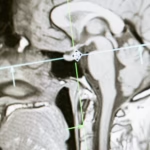
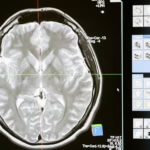
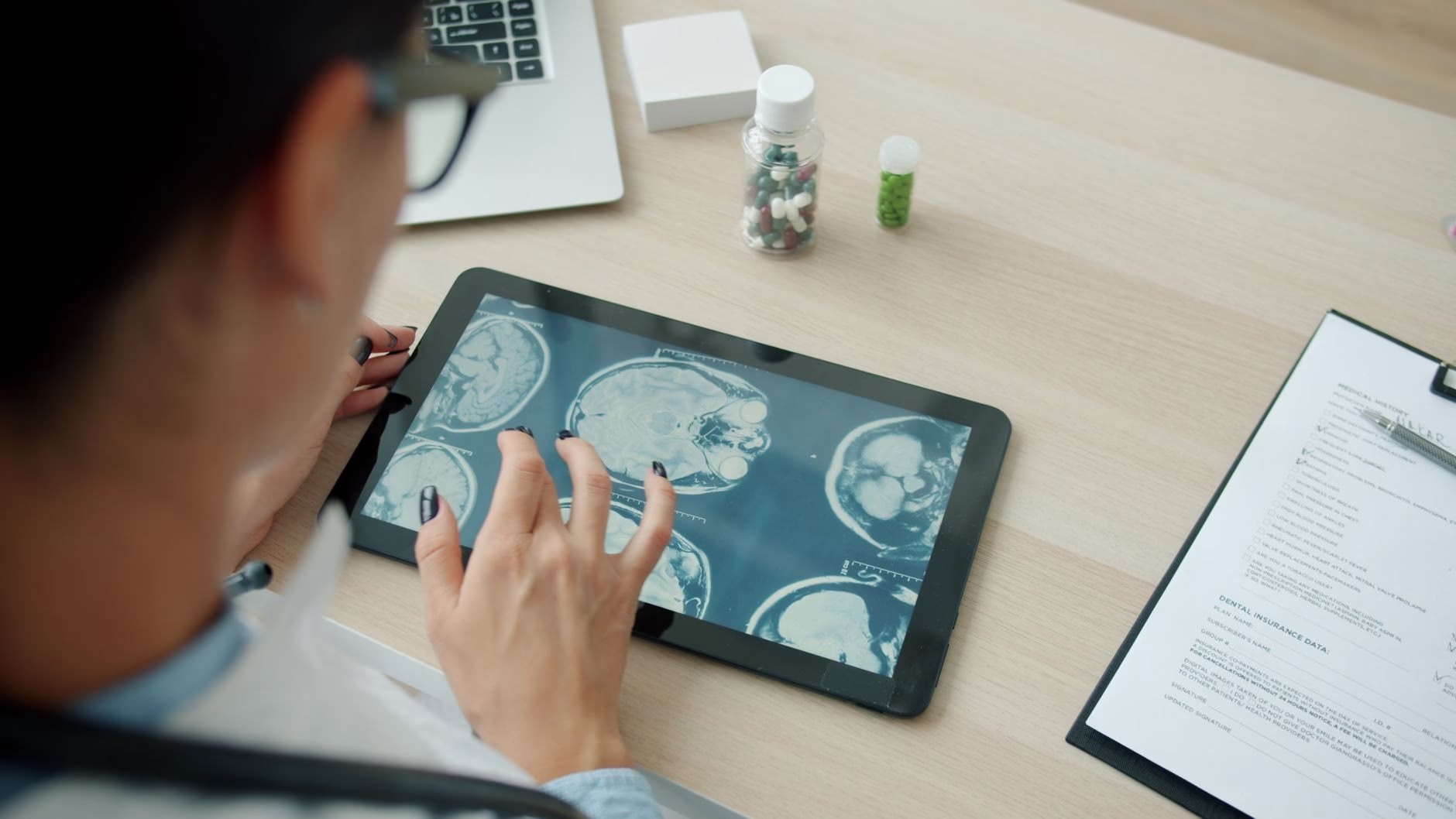
If the doctor suspects that your symptoms are related to the venous sinuses, they will likely order specific imaging studies. A standard MRI or CT scan may not always show the narrowing clearly, so they might use an MRV, which stands for Magnetic Resonance Venogram. This specialized scan focuses specifically on the blood vessels in the brain, allowing the radiologist to see the shape and flow of the venous sinuses in high detail. This is the gold standard for identifying structural narrowing.

Lifestyle Factors and Management
While you wait for your medical appointments, there are general wellness practices that support brain and vascular health. Staying well-hydrated is important for maintaining healthy blood volume, and managing stress levels can help prevent the exacerbation of tension-related headaches. Gentle physical activity, such as walking or stretching, is generally encouraged unless your doctor has advised otherwise, as it helps maintain overall circulation.
It is also beneficial to pay attention to your sleep hygiene. Since some people find that their symptoms are more noticeable when lying flat, some find minor relief by sleeping with their head slightly elevated using an extra pillow. However, this is a comfort measure and not a treatment for the underlying cause. Always discuss any changes you make to your routine with your healthcare provider to ensure they align with your specific health needs.
When to Seek Emergency Care
While venous sinus stenosis itself is generally a chronic condition rather than an acute emergency, there are certain red flags that always warrant immediate medical attention. If you experience a sudden, thunderclap headache that is the worst of your life, you should seek emergency care immediately. Similarly, if you experience sudden weakness, numbness on one side of the body, difficulty speaking, or a sudden change in your level of consciousness, do not wait for a scheduled appointment.
These symptoms, while not specific to venous sinus stenosis, can indicate a medical emergency such as a stroke or other acute vascular event. It is always better to be cautious and seek evaluation at an emergency department if you feel that something is fundamentally wrong with your neurological function. Trust your instincts; if you are worried about your safety, seek help right away.
Diagnostic Imaging and Investigative Protocols
Magnetic Resonance Venography
Magnetic resonance venography is frequently utilized to visualize the dural venous sinuses without the use of ionizing radiation. This noninvasive technique provides detailed anatomical mapping of potential narrowing within the cerebral venous system. Radiologists look for specific flow voids or signal abnormalities that indicate a reduction in the vessel lumen diameter.
Digital Subtraction Angiography
Digital subtraction angiography remains the gold standard for assessing the hemodynamic significance of venous sinus stenosis. During this procedure, a contrast agent is injected directly into the vasculature to capture real time images of blood flow dynamics. Physicians use this method to measure pressure gradients across the stenotic segment to determine if intervention is clinically necessary.
- Evaluation of flow patterns
- Measurement of venous pressure gradients
- Visualization of collateral venous drainage
Pathophysiological Mechanisms and Hemodynamics
Intracranial Pressure Dynamics
The narrowing of the venous sinuses can significantly impede the drainage of cerebrospinal fluid and venous blood from the cranium. When outflow resistance increases, intracranial pressure may rise, leading to a cascade of neurological symptoms. Chronic elevation of these pressures can impact the structural integrity of the optic nerve and surrounding tissues.
Collateral Circulation Development
In response to persistent stenosis, the brain often attempts to compensate by developing collateral venous pathways. These secondary routes redistribute blood flow to bypass the obstructed segment and maintain essential homeostasis. While these vessels can mitigate acute pressure spikes, they may also lead to atypical drainage patterns that complicate surgical planning.
Interventional Considerations and Surgical Planning
Stent Placement Procedures
Endovascular stenting is an increasingly common intervention for symptomatic venous sinus stenosis that is refractory to conservative management. By placing a metallic scaffold within the narrowed sinus, surgeons can restore the vessel diameter and normalize venous outflow. Successful stent placement often leads to a rapid reduction in pulsatile tinnitus and headache severity.
Post-Procedural Monitoring
Patients undergoing venous sinus stenting require rigorous follow up to monitor for potential in-stent restenosis or vessel wall reaction. Routine imaging is scheduled at specific intervals to ensure the device remains patent and properly positioned. Long term anticoagulation therapy is often prescribed to reduce the risk of thrombus formation within the newly placed stent.
- Serial neurological examinations
- Periodic magnetic resonance venography
- Management of antiplatelet medication regimens
Frequently Asked Questions
Is venous sinus stenosis a type of stroke?
No, venous sinus stenosis is not a stroke. It is a structural narrowing of a vein. However, because it relates to blood flow in the brain, it is important to have it evaluated by a specialist to ensure that it is not contributing to other risks.
Can this condition be cured?
Treatment depends on the severity of the symptoms and the degree of narrowing. In many cases, if the symptoms are mild, doctors may recommend monitoring. If the stenosis causes significant pressure issues, there are medical and procedural interventions available, which your neurologist can discuss with you.
Does everyone with a narrowed sinus have symptoms?
Not necessarily. Many people have some degree of narrowing in their venous sinuses that is discovered incidentally during imaging for other reasons. If you do not have symptoms, it is often considered a normal anatomical variation rather than a clinical condition that requires treatment.
Are there medications that help?
There is no single pill that cures the narrowing itself. However, doctors may prescribe medications to manage the symptoms, such as headache relief or medication to help regulate the pressure of the cerebrospinal fluid. Always follow the guidance of your physician regarding any medication.
The Bottom Line
Navigating health concerns involving the brain can feel overwhelming, but understanding the basics of your symptoms is the first step toward finding relief. Symptoms of venous sinus stenosis, particularly pulsatile tinnitus and persistent pressure-like headaches, provide important clues for your medical team. By keeping a record of your experiences and seeking a thorough evaluation through imaging like an MRV, you can work toward a clear diagnosis and a personalized plan of care.
Remember that you are your own best advocate. If you notice changes in your hearing, vision, or the intensity of your headaches, do not hesitate to reach out to a healthcare professional. With the right support and evidence-based medicine, many people find ways to manage these symptoms effectively and return to their normal daily activities with confidence and peace of mind.