Key Takeaways
- Carotid sinus syndrome causes fainting due to an oversensitive neck reflex.
- Common symptoms include lightheadedness, dizziness, and sudden blackouts.
- Triggers often involve neck pressure like shaving or wearing tight collars.
- Medical evaluation is essential to rule out other heart or brain issues.
Understanding Carotid sinus syndrome symptoms
Experiencing a sudden bout of lightheadedness or an unexpected faint can be frightening. When these episodes are linked to specific triggers like turning your head or wearing a tight shirt, it may be related to a condition called carotid sinus syndrome. Recognizing Carotid sinus syndrome symptoms early is vital for getting the right diagnosis and ensuring your long-term safety.
This condition occurs when the carotid sinus, a small group of nerve endings in your neck that monitors blood pressure, becomes oversensitive. When it is triggered, your body mistakenly believes your blood pressure is too high, causing your heart rate to slow down or your blood vessels to widen. This sudden drop in blood flow to the brain results in the characteristic symptoms that define this syndrome.
While this condition is more common in older adults, it is important to remember that it is a treatable issue. By understanding how the body reacts and what triggers these episodes, you can take proactive steps to manage your health. Always consult with a healthcare professional to ensure that your symptoms are properly evaluated, as they can often mirror other cardiovascular conditions that require different approaches.

The Primary Indicators of the Condition
The most defining feature of this syndrome is syncope, which is the medical term for fainting. These fainting spells are usually brief, occurring because the brain is momentarily deprived of adequate oxygenated blood. Many people experience a warning period, often referred to as a prodrome, where they feel unwell before losing consciousness.
Beyond fainting, there are several subtle signs that may indicate your carotid sinus is reacting inappropriately. These symptoms often appear suddenly and resolve just as quickly once the pressure on the neck is removed or the body adjusts. It is helpful to keep a diary of these events to share with your doctor during your next visit.
- Sudden feelings of lightheadedness or dizziness.
- A sensation of impending doom or intense weakness.
- Blurred or tunnel vision occurring just before a collapse.
- Nausea or clammy skin during an episode.
- A noticeable slowing of the heart rate.
Common Triggers for Symptoms
Carotid sinus syndrome is unique because it is often mechanical in nature. Because the carotid sinus is located in the neck, everyday activities that exert even light pressure on this area can trigger a reflex. Understanding these triggers is the first step toward avoiding potentially dangerous fainting episodes.
For many individuals, the trigger is something as simple as adjusting their clothing. A stiff or tight collar can press against the carotid sinus, especially when the person turns their head to look at something. Similarly, activities that involve significant neck movement can also create enough pressure to set off the reflex, leading to a sudden drop in blood pressure.
Other common physical triggers include:
- Shaving the neck area closely with a razor.
- Turning the head sharply to check a blind spot while driving.
- Wearing a tight necktie or scarf.
- Straining during a bowel movement or heavy lifting.
- Looking upward for an extended period, such as reaching for a high shelf.

Comparing Symptoms with Other Conditions
It is very common for Carotid sinus syndrome symptoms to be mistaken for other health issues. Because the primary symptom is fainting, it is frequently confused with general low blood pressure, dehydration, or even neurological conditions. However, the connection to neck pressure is the key differentiator that sets this syndrome apart.
When you visit your doctor, they will likely perform a series of tests to distinguish this syndrome from other heart-related issues. They may check for arrhythmias or structural heart problems that could also cause fainting. This process of elimination is standard practice to ensure you receive the most accurate and effective care plan for your specific needs.
| Condition | Key Difference |
|---|---|
| Carotid Sinus Syndrome | Triggered by neck pressure or movement |
| Orthostatic Hypotension | Triggered by standing up too quickly |
| Vasovagal Syncope | Triggered by emotional stress or pain |
| Cardiac Arrhythmia | Irregular heartbeats often unrelated to neck pressure |
When to See a Doctor
You should never ignore a fainting spell, regardless of whether you think you know the cause. Fainting can result in serious injuries from a fall, and it can sometimes be a sign of an underlying heart condition that needs urgent attention. If you have experienced any of the symptoms mentioned above, it is time to schedule an appointment with your primary care provider or a cardiologist.
During your consultation, be prepared to describe exactly what you were doing when the symptoms started. Mention if you were turning your head, shaving, or wearing tight clothing. The more specific information you can provide, the easier it will be for your doctor to determine if the carotid sinus is the culprit.
Seek emergency medical care immediately if your fainting is accompanied by any of the following:
- Chest pain or pressure.
- Shortness of breath.
- Confusion or difficulty speaking.
- Weakness or numbness on one side of the body.
- A fainting spell that lasts for more than a few minutes.

Diagnostic Procedures and Evaluation
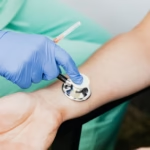
Once you are in the office, your doctor may perform a carotid sinus massage. This is a controlled procedure where the doctor gently presses on the carotid sinus area while monitoring your heart rate and blood pressure. This is only done in a clinical setting with emergency equipment nearby to ensure safety.
Your doctor might also recommend an electrocardiogram, or ECG, to look at the electrical activity of your heart. This helps ensure that the fainting is truly a result of the carotid reflex and not an issue with the heart’s rhythm itself. In some cases, a holter monitor may be used, which is a wearable device that tracks your heart rhythm over 24 to 48 hours.
The goal of these tests is to confirm the diagnosis and assess the severity of the syndrome. Once confirmed, your medical team will discuss various management strategies. These might range from simple lifestyle adjustments to medical interventions if the symptoms are frequent or significantly impact your quality of life.
Frequently Asked Questions
Is Carotid sinus syndrome dangerous?
While the syndrome itself is generally manageable, the primary danger lies in the risk of falling during a fainting spell. Serious injuries can occur if you lose consciousness unexpectedly, which is why medical diagnosis and prevention strategies are essential.
Can this condition be cured?
Many patients find that by avoiding the specific physical triggers that set off their carotid sinus, they can effectively manage the condition without long-term medication. In more persistent cases, doctors may discuss other treatment options to stabilize the heart rate.
Are there medications that make it worse?
Yes, certain medications that lower blood pressure or affect heart rate can exacerbate the symptoms. It is vital to provide your doctor with a full list of all prescriptions, supplements, and over-the-counter medications you are currently taking.
How is the syndrome treated?
Treatment is highly personalized. It often starts with identifying and avoiding triggers. If symptoms persist, doctors may adjust your current medication list or, in rare and severe cases, discuss the possibility of a pacemaker to help regulate the heart rate when the reflex is triggered.
The Bottom Line
Carotid sinus syndrome is a manageable condition, but it requires careful attention and professional medical guidance. By being aware of Carotid sinus syndrome symptoms, such as sudden dizziness or fainting triggered by neck pressure, you can take the necessary steps to protect your health. Always prioritize a consultation with your doctor to rule out other causes and develop a plan that keeps you active and safe. Remember that with the right precautions, most individuals with this syndrome lead full and normal lives.