Key Takeaways
- Understanding the anatomy of the brain's venous drainage system.
- Recognizing the common signs of transverse sinus stenosis.
- Diagnostic procedures used by neurologists to identify venous narrowing.
- When to seek immediate medical attention for neurological changes.
Understanding the Transverse Sinus
The human brain is a complex organ that requires a constant supply of oxygenated blood and an efficient system for removing waste. The venous sinuses are specialized channels located between layers of the brain’s outer covering, known as the dura mater. When people research Narrowing of transverse sinus symptoms, they are often looking for answers regarding a condition known as venous sinus stenosis. This occurs when the pathways responsible for draining blood away from the brain become constricted or narrowed.
The transverse sinuses are two large vessels that run horizontally along the back of the skull. They play a critical role in moving deoxygenated blood toward the internal jugular veins, which then carry the blood back to the heart. When these vessels narrow, it can disrupt the normal flow of blood, potentially leading to a buildup of pressure within the skull. While some degree of narrowing is common and may not cause any issues, significant stenosis can lead to noticeable health changes that require medical evaluation.
It is important to remember that this article provides general information and should not replace professional medical advice. If you are experiencing concerning symptoms, you should always consult with a healthcare provider or a neurologist. They can perform the necessary imaging tests to determine if your symptoms are related to vascular anatomy or another underlying cause.
The narrowing of these sinuses is often discovered incidentally during imaging tests for other conditions. However, when it is symptomatic, it is frequently associated with a condition called idiopathic intracranial pressure, or IIH. This condition involves an increase in the pressure of the fluid surrounding the brain, which can mimic symptoms of a brain tumor despite the absence of a mass. Understanding how these systems work together is the first step in advocating for your own health.
Common Narrowing of Transverse Sinus Symptoms
The symptoms associated with the narrowing of the transverse sinus can be varied and are often similar to other neurological conditions. Because the primary concern is the potential for increased intracranial pressure, the most frequently reported symptom is a persistent or worsening headache. These headaches may feel different from standard tension headaches, often described as throbbing or pulsating, and may worsen when lying down or straining.
Vision changes are another significant indicator that warrants a medical visit. Because the pressure inside the skull can affect the optic nerves, some individuals may experience temporary blurring of vision, double vision, or brief episodes of blindness when changing positions. These visual disturbances are particularly important to track, as they indicate that the pressure is reaching a level that could potentially impact long-term eye health.
In addition to headaches and vision issues, other symptoms may include:
- Pulsatile tinnitus, which is the sensation of hearing a rhythmic swooshing or beating sound in one or both ears.
- Dizziness or lightheadedness that does not seem to have a clear cause.
- Nausea or vomiting that occurs without a stomach illness.
- Cognitive changes, such as difficulty concentrating or feeling mentally foggy.

The Role of Intracranial Pressure
Intracranial pressure refers to the force exerted by the brain tissue, blood, and cerebrospinal fluid inside the skull. When the transverse sinuses are narrowed, the outflow of blood is restricted. This can cause the blood to back up, increasing the venous pressure. This increased pressure can then impede the absorption of cerebrospinal fluid, leading to a rise in total intracranial pressure.
This pressure buildup is not always constant. It may fluctuate based on physical activity, body position, or even hormonal changes. Because the skull is a rigid container, it cannot expand to accommodate increased pressure. Therefore, the brain and the nerves within the skull are subject to this force, which results in the physical symptoms described earlier.
Patients should keep a detailed log of their symptoms to help their doctor understand the patterns. Note the time of day, the intensity of the headache, and any triggers such as physical exertion. This information is invaluable when a neurologist is trying to differentiate between simple headaches and issues related to sinus narrowing.
Diagnostic Methods for Venous Stenosis
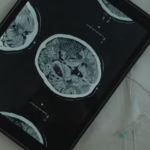
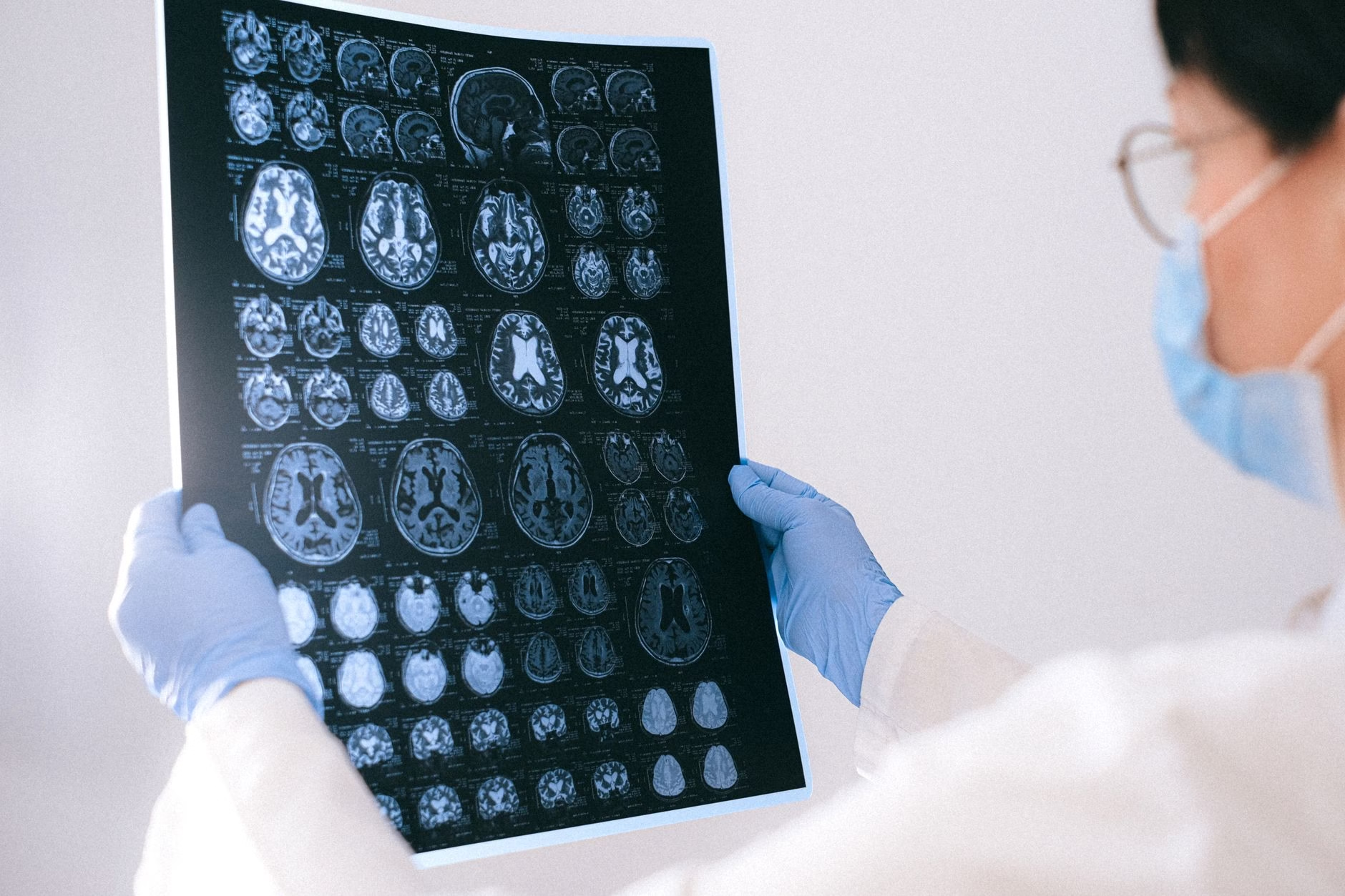
To diagnose narrowing of the transverse sinus, physicians use specialized imaging technology. Because these vessels are located inside the skull, they cannot be seen through a standard physical examination. A neurologist or neuro-radiologist will typically order non-invasive imaging to visualize the blood flow and the structure of the veins.
The most common diagnostic tools include:
- Magnetic Resonance Venography (MRV): This type of MRI specifically looks at the blood vessels in the brain to identify narrowing or blockages.
- Computed Tomography Venography (CTV): Similar to an MRV, this uses X-rays and contrast dye to provide detailed images of the venous system.
- Lumbar Puncture: This procedure, often called a spinal tap, measures the actual pressure of the cerebrospinal fluid to see if it is elevated.
- Ophthalmological Exam: A doctor may look at the back of the eye to check for swelling of the optic nerve, known as papilledema.
It is important to discuss these tests with your healthcare provider. They will explain the benefits and risks of each procedure based on your specific medical history. Not every patient with narrowing requires every test, as the severity of the symptoms will dictate the intensity of the diagnostic approach.

Comparing Conditions and Symptoms
Because the symptoms of transverse sinus narrowing overlap with many other conditions, it is common for patients to be concerned about a wide range of health issues. The following table provides a comparison of how these symptoms might present in different contexts. This is for educational purposes only and is not a diagnostic tool.
| Symptom | Transverse Sinus Narrowing | Tension Headache | Migraine |
|---|---|---|---|
| Pulsatile Tinnitus | Common | Rare | Rare |
| Vision Changes | Possible | Rare | Occasional |
| Headache Location | Usually diffuse/back of head | Forehead/band-like | Often one-sided |
| Worsens with movement | Yes | Sometimes | Yes |
This table illustrates why a professional diagnosis is essential. While a migraine may share characteristics like sensitivity to movement, the inclusion of pulsatile tinnitus or unexplained vision changes points toward a need for a deeper investigation into the venous system of the brain.
Treatment Approaches and Management
Once a diagnosis is confirmed, the treatment plan depends entirely on the severity of the narrowing and the impact on the patient’s quality of life. In many cases, if the narrowing is asymptomatic or mild, a doctor may recommend simple observation. This means monitoring the condition over time with periodic check-ups to ensure that the pressure does not increase.
If the narrowing is causing significant symptoms or affecting vision, medical management is often the first step. This might include medications that reduce the production of cerebrospinal fluid or help the body eliminate excess fluid. These treatments are aimed at lowering the intracranial pressure, which in turn alleviates the headaches and protects the optic nerves.
In more complex cases where medical management is insufficient, surgical or endovascular interventions may be considered. One common procedure is venous sinus stenting. During this minimally invasive procedure, a small mesh tube is placed inside the narrowed section of the sinus to hold it open and improve blood flow. This is a specialized procedure performed by neuro-interventional radiologists.

Lifestyle Adjustments for Brain Health
Living with potential intracranial pressure issues often requires some adjustments to daily routines. While lifestyle changes cannot “cure” a structural narrowing of the sinus, they can help manage the symptoms and reduce triggers that exacerbate pressure changes. Consistency is key to maintaining comfort.
Many patients find that maintaining a healthy weight is beneficial, as there is a known link between weight and idiopathic intracranial pressure. Working with a nutritionist or a primary care provider to develop a sustainable, healthy eating plan can be a positive step. Regular, low-impact exercise can also help support overall vascular health, though it is important to discuss your exercise routine with your doctor before starting.
Stress management techniques, such as mindfulness, meditation, or gentle yoga, can also be helpful. Stress can sometimes worsen the perception of pain, especially with chronic headaches. Finding ways to lower overall stress levels can make the daily management of these symptoms more manageable and improve your overall quality of life.
Finally, avoid habits that significantly increase intra-abdominal pressure, such as heavy lifting or extreme straining, as these can temporarily spike intracranial pressure. Listen to your body and learn to recognize when your symptoms are flaring up. Taking a break, resting in a quiet environment, and staying hydrated are simple but effective ways to support your nervous system.
Frequently Asked Questions
Is narrowing of the transverse sinus a common finding?
Yes, it is relatively common to see some degree of narrowing or asymmetry in the transverse sinuses on MRI or CT scans of healthy individuals. It does not always cause symptoms, and in many cases, it is considered an anatomical variation rather than a disease.
What is the difference between a migraine and sinus pressure?
A migraine is a neurological event characterized by complex changes in brain activity, whereas symptoms from transverse sinus narrowing are typically driven by physical pressure changes. While both cause headaches, the presence of pulsatile tinnitus or specific vision changes is more characteristic of venous pressure issues.
Can this condition be cured permanently?
For many people, the condition can be managed effectively with medication or lifestyle changes. In cases where stenting is required, the procedure is often very successful at restoring normal blood flow and resolving symptoms. Your neurologist will discuss the long-term outlook based on your specific case.
Does this condition lead to a stroke?
Narrowing of the transverse sinus is generally not a direct cause of a typical stroke. However, it is a condition that affects blood flow, which is why it requires evaluation by a specialist to ensure that the pressure levels are within a safe range for your brain health.
The Bottom Line
Identifying the symptoms associated with the narrowing of the transverse sinus is an important step in taking control of your neurological health. While the prospect of a brain-related condition can be intimidating, many cases are manageable and do not lead to severe complications when monitored by a medical professional. The most critical takeaway is to listen to your body and seek expert guidance if you notice persistent changes in your headaches, hearing, or vision.
By working closely with a neurologist, you can receive an accurate diagnosis and a personalized treatment plan. Whether that involves simple monitoring, medication, or a more advanced intervention, you have options to improve your comfort and maintain your well-being. Always prioritize professional medical advice over self-diagnosis and keep a clear record of your symptoms to assist your healthcare team.