
Key Takeaways
- Opened bacon lasts 7-14 days in the refrigerator.
- Proper storage can extend bacon's shelf life.
- Signs of spoilage include off smells and discoloration.
- Cooked bacon can be stored for a shorter time than raw.
When you open a package of bacon, a common question arises: How long is bacon good for after opening? Understanding the lifespan of bacon after it has been opened is crucial for both food safety and culinary enjoyment. Bacon is a beloved food for many, known for its rich flavor and versatility in various dishes. However, to ensure you are consuming it safely, it’s essential to be aware of how long you can keep it after opening.
This article aims to provide a comprehensive guide on the lifespan of opened bacon, including storage tips, signs of spoilage, and best practices for enjoying this delicious meat. By following these guidelines, you can enjoy your bacon with confidence, knowing that you’re prioritizing your health and safety.
Let’s dive deeper into the factors that affect bacon’s shelf life and how you can make the most of your opened bacon.
Understanding Bacon Types
Bacon comes in various forms, and understanding these can help in determining how long it stays fresh after you open it. There are primarily two types of bacon: raw bacon and pre-cooked bacon. Each type has different storage guidelines.
Raw Bacon
Raw bacon is typically sold in packages and needs to be cooked before consumption. Once opened, the shelf life of raw bacon is generally between 7 to 14 days if stored properly in the refrigerator. Here are some storage tips:
- Keep it in its original packaging or wrap it tightly in plastic wrap or aluminum foil.
- Store it in the coldest part of the refrigerator, usually at the back.
- Label the package with the opening date to monitor its freshness.
Pre-Cooked Bacon
Pre-cooked bacon, often found in ready-to-eat packages, has a shorter lifespan after opening. Typically, it lasts about 5 to 7 days in the refrigerator. It is essential to note that pre-cooked bacon is more processed and may have preservatives that affect its shelf life.
- Store pre-cooked bacon in an airtight container once opened.
- Keep it refrigerated and consume it quickly for the best taste.
- Check the expiration date on the package to ensure quality.
Storage Guidelines for Opened Bacon
Proper storage is key to extending the life of your opened bacon. Here are some effective storage methods:
Refrigeration
The refrigerator is the primary storage location for opened bacon. Keeping it at a consistent temperature below 40°F (4°C) is essential. Here are some tips:
- Use a meat thermometer to check the fridge temperature.
- Avoid storing bacon in the refrigerator door, as temperatures can fluctuate.
- For longer storage, consider freezing the bacon.
Freezing Bacon
If you want to extend the shelf life of your opened bacon, freezing is a viable option. When done correctly, bacon can last for up to 6 months in the freezer. Here’s how to freeze bacon:
- Wrap the bacon tightly in plastic wrap, followed by aluminum foil.
- Place the wrapped bacon in a freezer-safe bag, removing as much air as possible.
- Label the bag with the date and type of bacon.
Thawing Bacon
When you’re ready to use frozen bacon, proper thawing is crucial to maintaining its quality:
- Thaw bacon in the refrigerator for 24 hours before cooking.
- Avoid thawing bacon at room temperature to prevent bacteria growth.
- If in a hurry, you can microwave bacon on the defrost setting.

Signs of Spoilage
Identifying whether bacon has gone bad is vital for health safety. Here are some signs of spoilage to look out for:
Smell
One of the most telling signs that bacon has spoiled is its smell. Fresh bacon has a distinct, savory aroma. If it emits a sour or rancid odor, it’s best to discard it.
Color
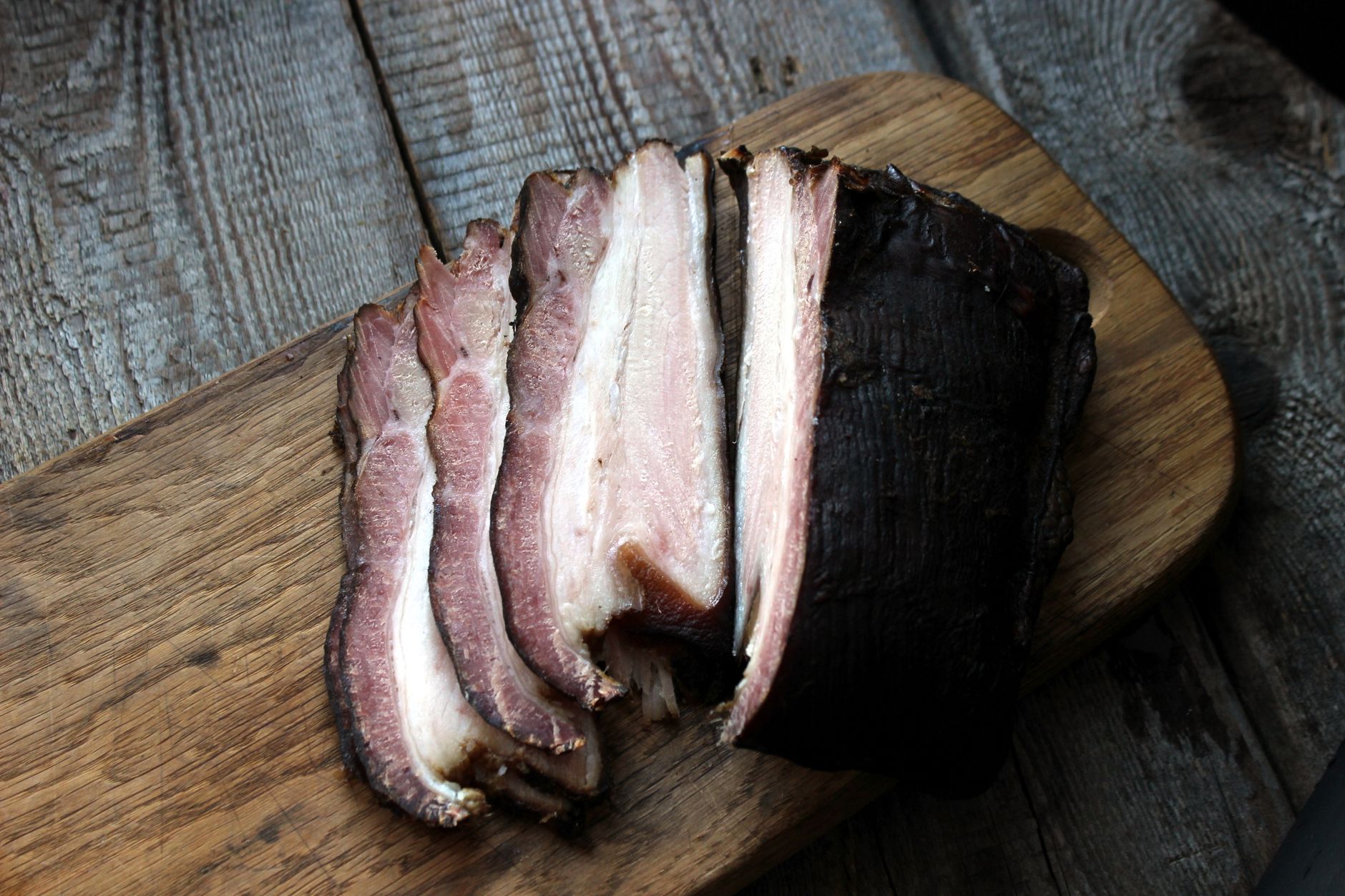
The color of bacon can also indicate freshness. Fresh bacon should have a pink hue with white or cream-colored fat. If you notice gray or green spots, this may indicate spoilage.
Texture
The texture of bacon should be moist but not slimy. If bacon feels sticky or slimy to the touch, it’s a sign that it has gone bad and should not be consumed.
Cooking and Reheating Bacon
Cooking bacon properly is as important as how you store it. Here’s how to ensure your bacon is safe and delicious:
Cooking Raw Bacon
When cooking raw bacon, it’s crucial to reach an internal temperature of 165°F (74°C) to kill any harmful bacteria. Here are some cooking methods:
- Pan-frying: Cook in a skillet over medium heat until crispy.
- Baking: Lay bacon strips on a baking sheet and cook in the oven at 400°F (200°C).
- Microwaving: Place bacon on a microwave-safe plate and cover with paper towels to prevent splatter.
Reheating Cooked Bacon
Reheating cooked bacon should be done carefully to maintain its crispness:
- Use a microwave for quick reheating; cover with a paper towel to absorb moisture.
- Reheat in a skillet over low heat to keep it crispy.
- Avoid using high heat, which can make bacon chewy.
Safety Considerations
Always prioritize food safety when handling bacon. Here are some quick safety tips:
- Wash your hands before and after handling raw bacon.
- Use separate cutting boards for raw meat and other foods.
- Cook bacon thoroughly to avoid foodborne illnesses.
Health Implications of Consuming Bacon
Nutritional Profile of Bacon
Bacon is often celebrated for its flavor, but it is also essential to consider its nutritional content. Bacon is high in protein, providing about 12 grams per slice, making it a substantial source of energy. However, it is also loaded with saturated fats and cholesterol, which can contribute to heart disease if consumed in excess. A standard serving of bacon contains approximately 42% of the daily recommended intake of saturated fat for an average adult.
In addition to fats, bacon is rich in sodium, with a single slice containing around 200 mg. This high sodium content can lead to increased blood pressure and a higher risk of cardiovascular issues. It is essential to balance bacon consumption with healthier food choices, such as fruits and vegetables, which can help mitigate some health risks associated with high-fat, high-sodium foods.
- Protein: About 12 grams per slice
- Saturated Fat: Approximately 42% of daily recommended intake
- Sodium: Roughly 200 mg per slice
- Cholesterol: High levels contributing to heart disease risk
Potential Health Risks of Eating Spoiled Bacon
Consuming spoiled bacon can pose several health risks, primarily due to the potential presence of harmful bacteria such as Salmonella and Listeria. These bacteria thrive in improperly stored or expired meat products, leading to foodborne illnesses. Symptoms of foodborne illness can include nausea, vomiting, diarrhea, and abdominal cramps, which may require medical attention in severe cases.
One of the most critical aspects of preventing foodborne illness is understanding the importance of proper food handling and storage. Even if bacon appears visually acceptable, it may still harbor bacteria that are not visible to the naked eye. Cooking bacon thoroughly can kill most harmful bacteria, but if it has been improperly stored or is past its expiration date, the risk remains.
- Common symptoms of foodborne illness:
- Nausea
- Vomiting
- Diarrhea
- Abdominal cramps
Balancing Bacon in a Healthy Diet
While bacon can be a flavorful addition to meals, moderation is key to incorporating it into a healthy diet. Instead of making bacon the centerpiece of your meals, consider using it as a flavor enhancer. For instance, adding small amounts of bacon to dishes such as salads, soups, or vegetable stir-fries can provide a satisfying taste without overwhelming your diet with unhealthy fats and sodium.
Moreover, pairing bacon with nutrient-dense foods can help create a more balanced meal. For example, serving bacon alongside whole grains, leafy greens, and legumes can improve the overall nutritional profile. This practice not only enhances the meal’s flavor but also contributes to better health outcomes.
- Tips for balancing bacon in your diet:
- Use bacon as a flavor enhancer rather than the main ingredient
- Pair bacon with nutrient-dense foods
- Limit portion sizes to maintain a balanced intake
Alternative Bacon Products
Turkey and Chicken Bacon
For those seeking a lower-fat alternative to traditional pork bacon, turkey and chicken bacon offer a viable option. These products typically contain less saturated fat and fewer calories than their pork counterparts. A slice of turkey bacon can have around 30-50 calories and about 2-4 grams of fat, depending on the brand and cooking method.
While turkey and chicken bacon can provide a similar texture and flavor to traditional bacon, it’s essential to read the labels for sodium content, as many processed versions can be high in salt. Additionally, these alternatives may contain preservatives or artificial ingredients, so opting for brands that prioritize natural ingredients is advisable.
- Benefits of turkey and chicken bacon:
- Lower in calories and fat
- Similar taste and texture to pork bacon
- Available in various flavors and styles
Vegetarian and Vegan Bacon Options
Vegetarian and vegan bacon options have become increasingly popular as more people adopt plant-based diets. These products are typically made from ingredients like soy, tempeh, or seitan and are designed to mimic the taste and texture of traditional bacon. While they can provide a satisfying alternative, the nutritional content can vary significantly between brands.
It’s essential to evaluate the ingredients and nutritional information of vegetarian and vegan bacon products, as some may be highly processed or contain added sugars and unhealthy fats. Look for options that emphasize whole food ingredients and have a reasonable sodium content. Pairing these bacon alternatives with whole grains and vegetables can create a satisfying and nutritious meal.
- Benefits of vegetarian and vegan bacon:
- Cholesterol-free
- Lower in saturated fat
- Available in a variety of flavors
Homemade Bacon Alternatives
For those interested in a healthier and more customizable option, making homemade bacon alternatives is an excellent choice. Using ingredients like eggplant, zucchini, or mushrooms, you can create your own plant-based bacon that suits your taste preferences. For example, thinly sliced eggplant can be marinated in a mixture of liquid smoke, soy sauce, and maple syrup, then baked until crispy.
Homemade bacon alternatives allow you to control the ingredients, ensuring a healthier product without preservatives or excess sodium. Additionally, experimenting with spices and marinades can yield a variety of flavors, making it a fun and creative endeavor in the kitchen.
- Steps to make homemade bacon alternatives:
- Choose your base ingredient (e.g., eggplant, zucchini)
- Prepare a marinade with desired flavors
- Slice the ingredient thinly and marinate for at least 30 minutes
- Bake or pan-fry until crispy
Environmental Impact of Bacon Production
Carbon Footprint of Bacon
The production of bacon, like many animal products, has a significant carbon footprint. The environmental impact stems from several factors, including the greenhouse gas emissions produced during livestock farming, transportation, and processing. Studies indicate that beef and pork production contribute notably to methane emissions, a potent greenhouse gas.
Reducing bacon consumption can positively impact the environment by lowering the demand for pork production, which in turn can help decrease deforestation and land degradation associated with raising livestock. Individuals can contribute to more sustainable practices by exploring alternative protein sources or reducing overall meat consumption.
- Factors contributing to bacon’s carbon footprint:
- Greenhouse gas emissions from livestock farming
- Transportation and processing emissions
- Land use for raising pigs and growing feed
Sustainable Bacon Practices
As awareness of environmental issues grows, many producers are adopting sustainable practices in bacon production. This includes raising pigs in humane conditions, utilizing organic feed, and implementing rotational grazing systems. These methods not only benefit the animals but also contribute to healthier ecosystems and reduced environmental impact.
When purchasing bacon, consumers can seek certifications that indicate sustainable practices, such as organic or pasture-raised labels. Supporting local farms that prioritize ethical and environmentally friendly methods can also help promote sustainability within the food system.
- Characteristics of sustainable bacon production:
- Humane treatment of animals
- Organic feed and farming practices
- Reduced environmental impact through eco-friendly methods
Plant-Based Bacon’s Environmental Benefits
Considering the environmental implications of bacon production, plant-based bacon alternatives offer a lower-impact option. By opting for vegetarian or vegan bacon, consumers can significantly reduce their carbon footprint associated with meat consumption. Plant-based ingredients typically require fewer resources, such as water and land, compared to animal farming.
Moreover, many plant-based bacon products are designed to deliver similar flavors and textures to traditional bacon, making them an appealing choice for those looking to reduce their environmental impact without sacrificing taste. This shift towards plant-based diets can contribute to a more sustainable food future.
- Environmental benefits of plant-based bacon:
- Lower resource consumption (water, land)
- Reduced greenhouse gas emissions
- Support for sustainable food systems
Frequently Asked Questions
How long can I keep opened bacon in the refrigerator?
Opened raw bacon can last between 7 to 14 days in the refrigerator if stored properly. Pre-cooked bacon lasts approximately 5 to 7 days.
Can I freeze opened bacon?
Yes, opened bacon can be frozen to extend its shelf life. If stored correctly, it can last up to 6 months in the freezer.
What are the signs of spoiled bacon?
Signs of spoiled bacon include a sour smell, discoloration (gray or green spots), and a slimy texture.
Is it safe to eat bacon past its expiration date?
It is not advisable to eat bacon past its expiration date. Always check for spoilage signs before consumption.
The Bottom Line
Understanding how long bacon is good for after opening is essential for safe consumption. Proper storage, awareness of spoilage signs, and cooking methods can help you enjoy bacon without health risks. By following these guidelines, you can savor this delicious meat while prioritizing your health and safety.
Note: This article is for general information only and is not medical advice. See a qualified health professional about your own situation.