trazodone hair loss is a topic that prompts questions for patients, clinicians, and caregivers alike. This article adopts a careful, evidence-based approach to understand how this medication could relate to hair shedding, what is known, and when concerns deserve medical evaluation.
Hair loss is a sensitive topic because many people worry about changes in appearance and scalp health. In medicine, researchers emphasize that rare side effects require careful study, clear communication, and personalized assessment to separate coincidence from true drug-related effects overall.
This article aims to translate medical findings into language, outline what is known about trazodone hair loss, and provide practical steps for people who notice changes in their hair. It emphasizes cautious interpretation, professional guidance, and balanced perspectives on risk.
Readers will learn about hair biology, different shedding patterns, and why some medicines, including antidepressants like trazodone, may relate to scalp changes. The goal is to equip readers with questions to ask clinicians, rather than to prove a fixed cause.
By starting with questions and exploring multiple possibilities, readers can approach hair loss with calm, and practical guidance, including when to seek care, how to talk to a doctor, and how to monitor changes in real-life situations and personal health.
Key Takeaways
| Takeaway | Why it matters |
|---|---|
| Medication-related hair loss is uncommon | In some cases, trazodone hair loss has been reported, but evidence remains limited and causation is not well established. |
| Monitor symptoms and seek professional input | If concerns arise, discuss with a clinician to evaluate timing, pattern, and possible contributing factors such as nutrition or stress. |
Understanding Hair Loss
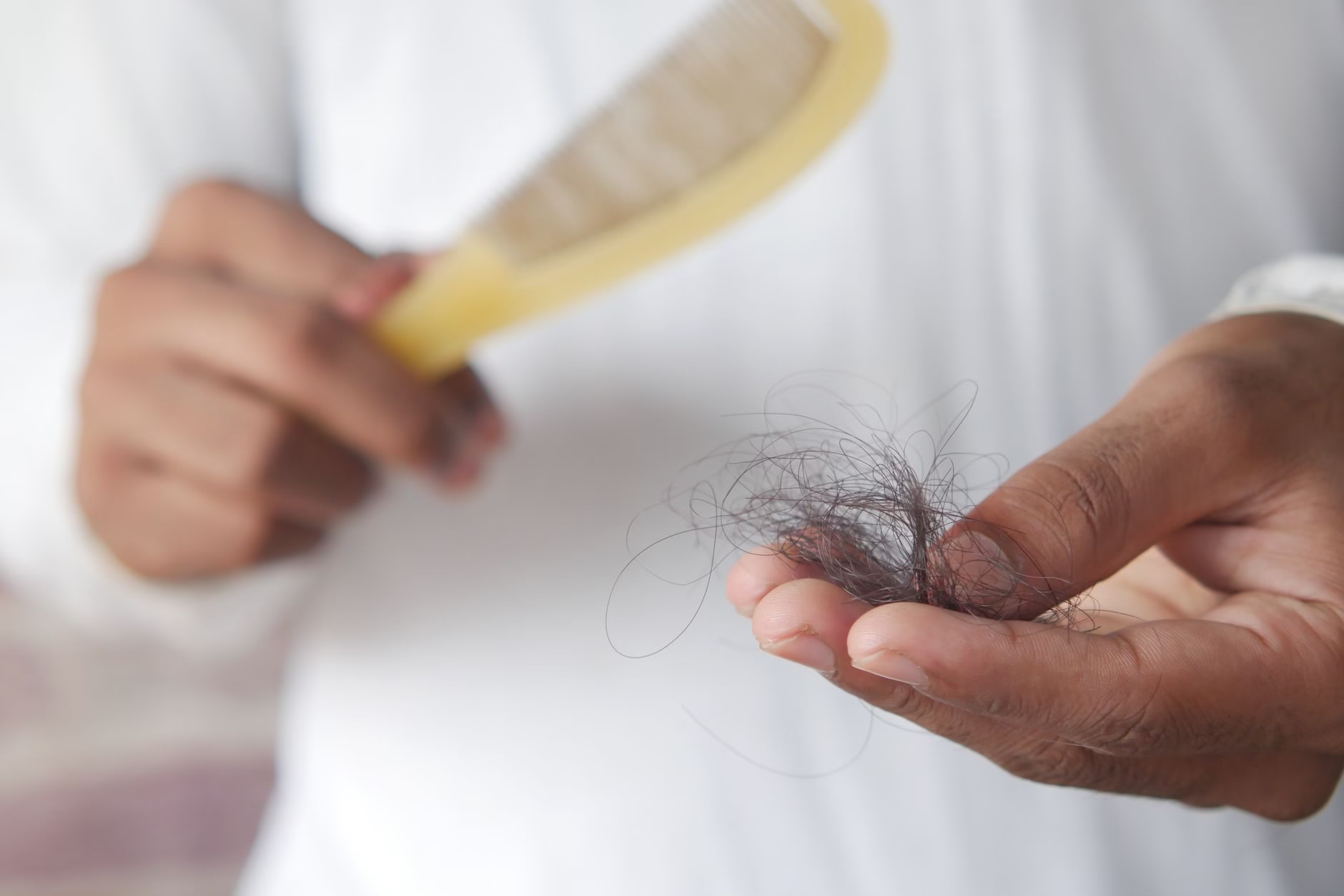
Hair loss happens in many forms, and understanding them helps people identify what is changing on the scalp. Clinicians categorize shedding as telogen effluvium, androgenic patterns, or scarring alopecias, each with timelines and management strategies for comfort and health overall.
Recent discussions about medications include rare notes of trazodone hair loss, yet researchers stress that evidence remains limited and causation cannot be assumed. People should monitor patterns, seek dermatology input when hair changes are new, persistent, or accompanied by symptoms.
This section explains how hair grows and why shedding happens. It also clarifies how medicines may influence follicles through hormones, immune signals, or circulation. Understanding these processes helps patients describe symptoms clearly to their clinicians in any setting or care.
In the clinical world, history matters. A clinician will review age, thyroid function, iron status, immune conditions, stress levels, and other medicines. By mapping the full picture, patients and providers can avoid assumptions about pills alone during evaluation and care.
Readers will learn about the basic biology of hair growth and the typical patterns of shedding. They will also learn how stress, medications, and nutrition can shape hair health over weeks to months, not just days, guiding conversations with doctors.
Investigating trazodone hair loss: what the studies show
There are few large, definitive studies on trazodone hair loss. Case reports exist, but they do not prove causation. Researchers emphasize that hair loss from medications is typically multifactorial, and timing alone cannot establish a drug as the culprit alone.
Meta-analyses rarely draw solid lines from trazodone to hair shedding. Clinicians rely on patterns over time, and they look for alternate explanations such as stress, nutritional gaps, or thyroid issues. This cautious approach helps avoid over attribution in individual cases.
For readers, the takeaway is careful observation. If hair changes occur after starting trazodone, a clinician may recommend tests, changes, or time to see if the shedding stabilizes. Always weigh other potential causes before concluding a direct link in practice.
Is trazodone a common cause of hair loss?
Is trazodone a common cause of hair loss? The short answer is that evidence does not show a clear, universal pattern linking trazodone to significant, lasting hair loss. Researchers stress that signals are rare and often confounded by other factors.
Clinicians may describe isolated reports, but these do not establish causation. Genetic predisposition, nutritional status, stress, and other medicines can all influence hair health. When a patient asks if trazodone hair loss is likely, doctors emphasize individualized evaluation rather than general conclusions.
Populations and circumstances matter. Some reports describe women or long-term users noting shedding, but data remain inconsistent. The safest approach remains to examine the full medical picture, including thyroid function, iron stores, and scalp condition, before attributing changes to one drug alone.
Who Might Be At Risk?
Researchers have not identified a single at-risk group for trazodone hair loss. Some reports describe women more often, but data is inconsistent. Age, duration of use, and coexisting conditions may alter risk, yet solid patterns remain unclear in diverse populations.
Patients with multiple medications, nutritional issues, or chronic illnesses may experience hair changes through routes other than trazodone hair loss. Clinicians weigh these factors with family history and scalp health to tailor management while monitoring medicine effects over time carefully.
Prevention and Management
Prevention and proactive care focus on safety and monitoring. Regular check-ins, nutrition, and scalp care support resilience. If trazodone hair loss appears, discuss options with your clinician before changing therapy, because abrupt changes can worsen symptoms or rebound in some.
The section also covers safe strategies such as maintaining steady sleep routines, avoiding harsh chemical processes, and seeking treatment for blood tests that detect deficiencies. These steps help safeguard overall hair health while evaluating possible medication effects with your doctor.
The clinical approach emphasizes careful observation and collaboration. Patients should communicate any new shedding, thinning, or scalp irritations and work with their providers to adjust care plans without abrupt changes that may risk wellbeing.
Diagnosing the Cause of Hair Loss
Diagnosing the cause requires a careful medical history, physical exam, and sometimes lab tests. Dermatologists and primary care doctors may assess scalp condition, look for signs of inflammation, and use tests to check iron, thyroid, or autoimmune markers as needed.
Tests help separate natural aging from drug-related effects and other illnesses. In many cases, hair regrowth occurs after addressing underlying issues or stopping a medication under supervision. A clear plan reduces anxiety and supports steady hair health over time successfully.
Treatment Options for Hair Loss
Treatments depend on the cause. If a medical condition underlies shedding, addressing it can stabilize hair growth. Doctors may discuss topical options, vitamins, or prescription therapies such as those that improve blood supply or reduce inflammation in a careful way.
Cosmetic strategies also help during the journey. Wigs or hairpieces, scalp micropigmentation, and gentle styling can boost confidence while medical care addresses root causes. Decisions should balance medical benefit, safety, and personal preferences with ongoing monitoring and professional guidance always.
Summary and Final Thoughts
In summary, trazodone hair loss remains an uncommon topic in medicine, with limited direct evidence. Readers should focus on professional evaluation, reliable information, and balanced decisions about treatment and safety. The goal is informed care rather than alarm or certainty.
Frequently Asked Questions
Q1. Does trazodone cause hair loss?
Hair loss is rare and not well established as a side effect. Some people report trazodone hair loss, but evidence does not confirm a direct causal link. If you notice changes, seek professional assessment promptly to rule out other causes.
Q2. What are common causes of hair loss in medication users?
Common causes include telogen effluvium, nutritional deficiencies, genetics, thyroid issues, and other medical conditions. Medications may contribute, but multiple factors usually work together to produce shedding, so a comprehensive evaluation is essential.
Q3. How can I tell if trazodone is causing my hair loss?
Timelines matter. A clinician analyzes when shedding started relative to starting trazodone, along with other factors such as stress, illness, or poor nutrition. They may conduct tests and review medications before attributing hair loss to trazodone hair loss.
Q4. Should I stop trazodone if I notice hair shedding?
No. Do not stop medication abruptly. Discuss concerns with your doctor first. If the doctor suspects trazodone hair loss, they may propose a monitored change or alternative treatment under supervision.
Q5. Are there treatments available for medication-related hair loss?
Treatments depend on the cause; options include nutritional support, topical minoxidil, or addressing underlying factors such as autoimmune or hormonal issues. A professional evaluation is essential to choose safe, effective options for each person.
Q6. Is hair loss from trazodone permanent?
If medication is the cause, hair typically regrows after discontinuation, but individual responses vary. A clinician guides whether to stop trazodone, switch therapies, or use supportive treatments while monitoring hair recovery over time.
Q7. Are certain populations more vulnerable to hair loss from trazodone?
There is limited evidence, but some reports indicate women or long-term users may be more sensitive, though data is inconclusive. Readers should avoid assuming risk and pursue individualized medical advice to interpret any signs of shedding.
Q8. When should I see a doctor about hair loss?
Seek professional care if hair loss is sudden, severe, or accompanied by scalp changes, pain, or other concerning symptoms. A clinician can assess multiple causes and guide safe management tailored to the person.
Q9. How does nutrition influence hair health during medication use?
Nutritional status—especially iron, zinc, and vitamin D—can affect hair growth. A clinician may test and correct deficiencies, which can reduce confounding factors when evaluating drug-related hair changes.
Sources and related information are provided below for readers who want to explore further, including reputable medical resources that discuss trazodone, hair loss, and related topics.
Sources
- U.S. National Library of Medicine – Trazodone
- Mayo Clinic – Hair loss (alopecia)
- American Academy of Dermatology Association – Hair Loss Treatment & Management
- Medscape – Trazodone Side Effects
- National Institute of Health (NIH) – Hair Loss Causes and Treatments
Internal links: For more on related topics, see our pages on trazodone side effects in women and coming off trazodone, which provide patient-centered insights and safety considerations.
Internal references:
Trazodone side effects in women,
Coming off trazodone,
Trazodone interactions.