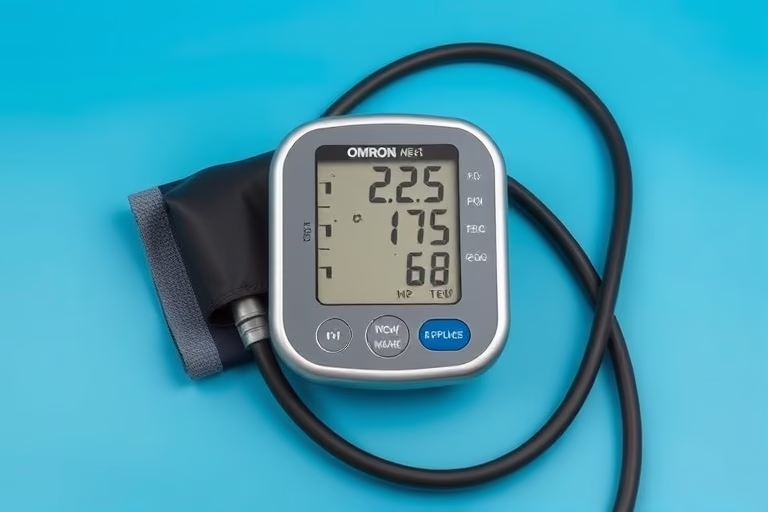
We will be talking about how to calibrate a Omron blood pressure machine. Calibrating your Omron blood pressure monitor is crucial for accurate readings. Without proper calibration, you may receive misleading results, which can affect your health management decisions. Calibrating is the process of adjusting the device to ensure it measures blood pressure accurately by aligning it with known standards. Regular calibration helps in detecting any mechanical malfunction or deviation in readings.
Understanding Blood Pressure Monitoring
Blood pressure monitoring is an essential aspect of maintaining cardiovascular health. Regularly checking your blood pressure levels can help in early detection of potential health issues. Blood pressure monitors, including those made by Omron, provide a convenient way to track these levels from home. If the data is not accurate due to poor calibration, it can lead to unnecessary anxiety or complacency regarding health issues.
Importance of Calibrating Your Omron Device
Calibrating your Omron blood pressure machine is necessary to ensure its continued accuracy over time. Environmental factors, wear and tear, and even user error can cause deviations in readings. An uncalibrated device might show elevated readings leading to unwarranted stress or failed treatment plans for those with diagnosed conditions. Accurate readings are vital for effective health management.
When to Calibrate Your Blood Pressure Monitor
Knowing when to calibrate your Omron blood pressure monitor is crucial for its longevity. It is recommended to calibrate your device at least once a year or more frequently if the machine shows inconsistent readings. Additionally, if the monitor has been dropped or exposed to extreme conditions, recalibrating it is advised. Following manufacturer’s recommendations can ensure better performance.
How to Identify Calibrating Needs
Understanding whether your Omron blood pressure monitor needs calibration is essential for effective monitoring. Pay attention to inconsistencies in readings, as they may indicate a need for calibration. Comparing readings with a clinically validated monitor can help detect discrepancies. Consult the instruction manual for any specific warning signs or checklists that your monitor might indicate.
Tools Required for Calibration
To calibrate your Omron blood pressure monitor effectively, you will need certain tools. A standard mercury sphygmomanometer (or an equivalent calibrated device) is typically used for comparison. You may also need a pressure gauge for accuracy check and a reliable source of information, such as your user manual, when performing calibration. Having the right tools ensures a smooth calibration process.
Step-by-Step Calibration Procedure
Calibrating your Omron blood pressure monitor involves a careful process. First, ensure that your device is clean and functioning. Next, place a cuff around your upper arm as per the instructions in the manual. Take simultaneous readings from both the Omron monitor and the calibrated device. Record if there’s a difference and adjust your monitor settings accordingly. Repeat these steps until the readings converge with minimal deviation. Keep track of your calibration records for future reference.
Maintaining Your Blood Pressure Monitor
Proper maintenance of your Omron blood pressure monitor is pivotal for long-lasting performance and accuracy. After each use, clean the cuffs and ensure that the device is stored in a dry, safe place. Follow the manufacturer’s instructions for battery replacements and avoid exposing the device to extreme temperatures or moisture. Regular checks and maintenance increase the lifespan and accuracy of the monitor.
Common Calibration Issues and Troubleshooting
You might face issues while calibrating your Omron device. Common problems can include inaccurate readings or unresponsive buttons. If your device shows persistently inaccurate readings, recalibrating it isn’t enough; it might require servicing or replacement. Always refer to the troubleshooting guide in your user manual for additional tips. Knowing common pitfalls can save you time and ensure reliable readings.
The Role of Technology in Blood Pressure Monitoring
Today, technology has enhanced how we monitor our health. Omron blood pressure machines often come with features like Bluetooth connectivity, app integrations, and advanced sensors for accurate data. Understanding how technology affects calibration can help in using these devices more effectively. Staying updated with the latest versions and technology can result in more accurate health monitoring.
Conclusion
In summary, calibrating your Omron blood pressure machine is essential for accurate health monitoring. Understanding when and how to calibrate, as well as recognizing signs that your machine needs recalibration, can profoundly impact your health management journey. By following a systematic approach to calibration and maintenance, you can ensure that your device provides precise measurements. Always utilize the appropriate tools and procedures when calibrating. Regularly assess the performance of your blood pressure monitor while being cautious about environmental factors that could affect its accuracy.
Frequently Asked Questions
1. How often should I calibrate my Omron blood pressure monitor?
It is advisable to calibrate your monitor at least once a year or more frequently if there are noticeable inconsistencies in readings.
2. Can I calibrate my Omron blood pressure machine at home?
Yes, with the right tools and understanding of the calibration process, you can calibrate at home. Always refer to the manual for specific instructions.
3. What tools will I need to calibrate my monitor?
A calibrated sphygmomanometer for comparison, a clean workspace, and your Omron user manual are essential tools required for the calibration process.
4. What should I do if my monitor shows persistent inaccurate readings?
If inconsistencies persist, consider consulting customer service or a health specialist, as your device might require servicing or replacement.
5. Does temperature or environment affect my blood pressure monitor’s accuracy?
Yes, exposing your device to extreme heat, humidity, or cold can impact its performance. Store your monitor in a stable, controlled environment to ensure accuracy.
Further Reading
What Type of Psychotherapy Is Best for Anxiety?