Understanding Implantation Bleeding
Implantation bleeding is a term used to describe light bleeding or spotting that can occur when a fertilized egg attaches itself to the lining of the uterus. This process generally occurs around 6 to 12 days after conception. Many women report experiencing this bleeding as one of the early signs of pregnancy. It is important to differentiate between implantation bleeding and menstrual bleeding, as they can have different implications for a woman’s health. Typically, implantation bleeding is lighter in color—often a light pink or brown—and does not last as long as a regular period. While not every woman experiences this symptom, understanding it is crucial for those trying to conceive.
Once the implantation process occurs, it triggers hormonal changes in the body, which can lead to symptoms that might prompt a woman to take a pregnancy test. The question many ask is how long after implantation bleeding one can expect to see a positive result on a pregnancy test. The answer to this question depends on various factors, including the type of pregnancy test used, ovulation timing, and individual hormone levels.
Timing of Implantation Bleeding
It’s vital to recognize when implantation bleeding occurs in your cycle. Generally, this happens about a week after fertilization. Understanding your menstrual cycle can help you anticipate when you might experience this symptom. If a woman has a typical 28-day cycle, she may notice implantation bleeding around days 20 to 24. Being aware of this timing can significantly help when it comes to planning to take a pregnancy test.
In addition to menstrual cycle knowledge, individual variation also plays a role. Every woman’s cycle can be different; hence, some may experience implantation bleeding a bit earlier or later. This variability can affect how soon a person can check for a positive pregnancy test. Knowing your cycle can be a valuable tool in understanding your body’s signals.
How Implantation Affects Pregnancy Tests
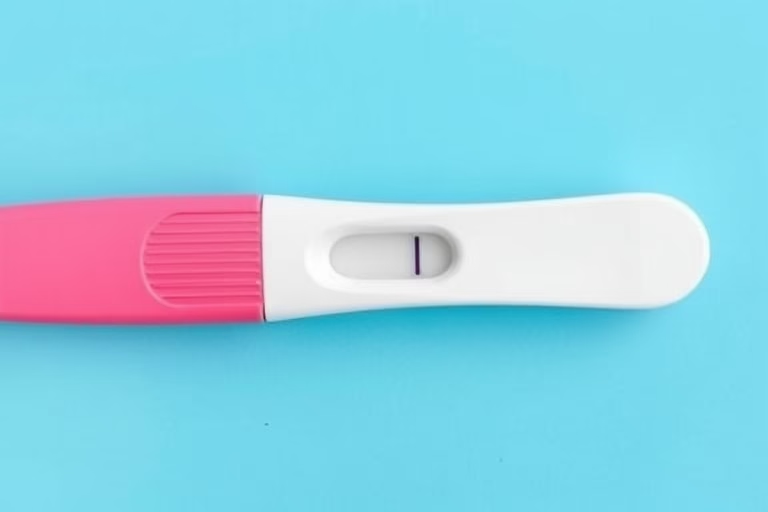
The way a pregnancy test works is by detecting the hormone hCG in the urine. After implantation, hCG levels begin to rise, but this takes time. In most cases, it takes anywhere from 6 to 12 days post-implantation for hCG to reach a level detectable by a typical home pregnancy test. This timeline means that a test taken too soon after implantation bleeding may yield a false negative reading.
For accurate results, it is recommended to wait at least a few days after a suspected implantation bleeding to take the test. Many health professionals suggest waiting until the first day of a missed period for the best chance of getting an accurate result. This simple timing can make a significant difference in the reliability of the test outcome.
Types of Pregnancy Tests Available
There are two main types of pregnancy tests available: urine tests and blood tests. Urine tests are the most common and are widely available over-the-counter. They typically return results within minutes and are user-friendly.
In contrast, blood tests are done in a medical setting and can detect pregnancy earlier than urine tests. There are two types of blood tests: qualitative and quantitative. A qualitative test checks for the presence of hCG, while a quantitative test measures the specific level of hCG in the blood. If you suspect you are pregnant and experience any uncertainty, a visit to your healthcare provider may be beneficial.
Symptoms Following Implantation Bleeding
Following implantation bleeding, many women begin to notice early pregnancy symptoms. These can include nausea, breast tenderness, fatigue, and frequent urination. Understanding these symptoms can help in confirming whether to take a pregnancy test.
Early detection can lead to essential changes needed for a healthy pregnancy. Symptoms may vary widely among women, reinforcing the idea that every person’s experience on this journey can be unique. Tracking changes in your body can be helpful and reassuring when contemplating testing.
What to Do After Implantation Bleeding
If you experience implantation bleeding, it’s a good idea to document this on a calendar or in an app for tracking pregnancy symptoms. This information can help you calculate the best time to take a pregnancy test accurately.
While waiting to take the test, focus on maintaining a healthy lifestyle. Ensure you are eating a balanced diet, staying hydrated, and reducing stress levels. Taking care of your body during this time is essential, whether or not the test later indicates a pregnancy.
Factors Influencing Implantation and Test Results
Not all women will experience implantation bleeding, and various factors may influence the timeframe for testing. These include hormonal balance, individual variations in the menstrual cycle, and overall health. Hormonal fluctuations can result in variations in the timing of hCG production, affecting the results of a pregnancy test.
Furthermore, lifestyle choices such as diet, medication, and stress levels can impact hormone levels and consequently influence the accuracy of a pregnancy test taken soon after suspected implantation bleeding. Understanding these factors can provide insight into your reproductive health and contribute to better planning for pregnancy.
Final Thoughts
Understanding how long after implantation bleeding to take a pregnancy test is crucial for anyone trying to conceive. Being informed about the timing of ovulation, the type of pregnancy test, and individual body signs can significantly improve the chances of receiving an accurate test result. Women who notice symptoms indicating possible pregnancy should wait until at least 6 to 12 days post-implantation before testing. This waiting period allows hCG levels to rise and ensures a stronger possibility of a positive test outcome.
Taking care of one’s body and being attentive to changes can lead to a successful conception experience. Engaging with a healthcare professional can always provide additional clarity and guidance, especially in uncertain situations. Remember that early detection and self-care contribute greatly to a healthy pregnancy journey.
Frequently Asked Questions
How soon can I take a pregnancy test after implantation bleeding?
It is recommended to wait at least 6 to 12 days after implantation bleeding to take a pregnancy test for best results.
What does implantation bleeding look like?
Implantation bleeding is usually light pink or brown and is much lighter than a regular menstrual period.
Can I have a negative test after implantation bleeding and still be pregnant?
Yes, it is possible to receive a negative test result early on if hCG levels have not yet risen sufficiently.
Do all women experience implantation bleeding?
No, not all women will experience implantation bleeding; it can vary from person to person.
When should I consult with a healthcare professional?
If you have concerns regarding your pregnancy symptoms or test results, it is advisable to consult a healthcare provider for guidance.
Further Reading
What Type of Psychotherapy Is Best for Anxiety?