Human body systems form a team of parts that keep us alive and well every day. They help us breathe, move, think, and break down food into fuel. These systems work in balance. They keep our body heat, water, blood, and gas levels steady. This balance is called homeostasis. It is key for life. Many things can harm these parts.
Some parts can hurt if we get sick or we get hurt. It is smart to know how each part works. You can learn how to keep them strong. You can learn to spot warning signs. You can learn when to get help. This article will show the ten main systems in the human body. We will name each part. We will list their jobs. We will share signs of a problem. We will give tips to keep each part safe. We will note when you must call a doctor.
By the end, you will know how to care for your body and its parts. Each system has cells and tubes. They send signals and fluids. They need rest, good food, and clean air. Learn when to seek help for new or severe pain. Be safe today. Always learn more.
Key Takeaways
| Takeaway | Explanation |
|---|---|
| Core concept | Learn how human body systems work in balance. |
| Safety guide | Use human body systems info to know when to seek care. |
Overview of human body systems
The human body systems work as a team to keep you well. Each system has a clear job. They share messages by blood and nerves. They keep heat, water, and minerals in safe ranges. The body has ten main systems. Each helps you live and grow. They link in many ways. A change in one may change another. You will learn what each system does. You will learn signs of a problem. You will learn how to stay safe. You will learn when to see a doctor.
Key functions of human body systems
Each system has a key job in the body. Some move blood or air. Some break down food or make signals. Some heal or protect. Some help you grow and make cells. They all work in a plan. This plan keeps cells fed. It keeps organs stable. It keeps you strong. It helps you heal from cuts. It helps you fight germs. It helps you think and feel.
Circulatory System
The circulatory system moves blood around the body. It links to other human body systems. The heart pumps oxygen and nutrients. Blood vessels carry blood to each part. Waste is taken away in blood. This system keeps cells alive. It also brings heat to the skin to cool down.
- Key facts: Blood pressure and heart rate show health.
- Common issues: High blood pressure, clogged arteries, heart attack.
- Symptoms: Chest pain, short breath, dizziness, swelling in legs.
- Prevention and care: Eat less salt. Move each day. Quit smoking. Learn how to check blood pressure on your Apple Watch with this guide: how to check blood pressure on Apple Watch.
- When to seek help: Sudden chest pain, face droop, trouble speaking, or hard breath need urgent care.
Respiratory System
The respiratory system brings in oxygen and clears out carbon dioxide. Air moves through the nose or mouth. It goes down tubes to the lungs. Tiny sacs in the lungs let gas swap. Oxygen goes into blood. Carbon dioxide leaves the blood. This keeps cells fed and blood clean.
- Key facts: Breathing rate and oxygen level show how well it works.
- Common issues: Asthma, chronic lung disease, infections.
- Symptoms: Cough, wheeze, tight chest, fast breathing.
- Prevention and care: Avoid smoke and dust. Get flu and pneumonia shots. Use inhalers as your doctor says. For more on lung health, see the Centers for Disease Control and Prevention.
- When to seek help: Hard breathing, blue lips, or confusion need fast care.
Digestive System
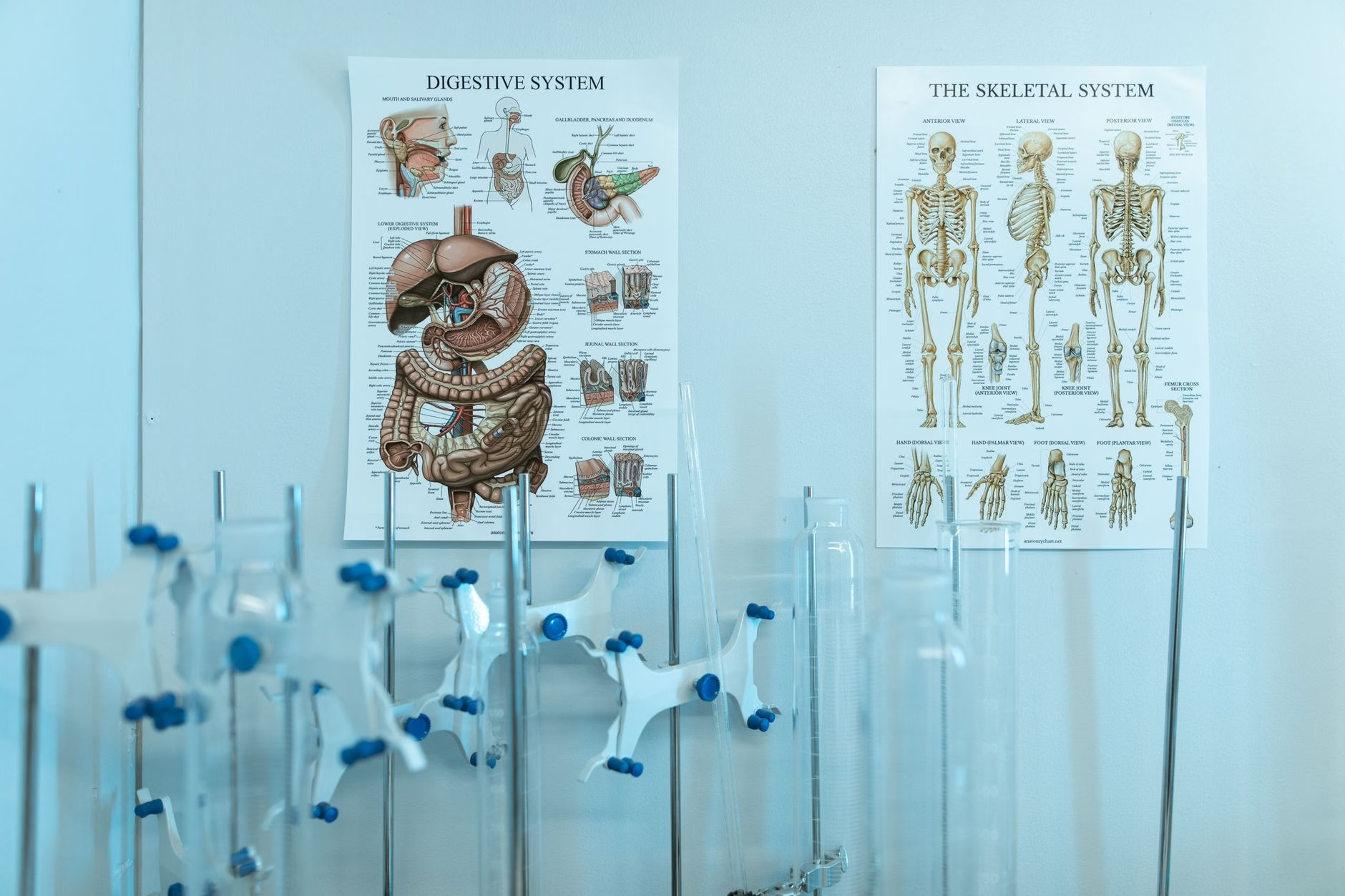
Food moves through a tube from mouth to the end. It is mixed with juices in the stomach and intestines. This breaks food into sugars, proteins, and fats. These parts go into blood. Waste leaves as stool. Good diet helps human body systems share energy with all parts of your body. The gut also hosts tiny bugs that help digest food and fight germs.
- Key facts: Microbes in the gut affect health. See more at MedlinePlus.
- Common issues: Heartburn, ulcers, gut bugs, irritable bowel.
- Symptoms: Pain, bloating, gas, changes in stool.
- Prevention and care: Eat fiber and water. Limit spice and fat. Try foods high in potassium like fruits: foods high in potassium. Try foods high in magnesium: foods high in magnesium.
- When to seek help: Severe pain, bloody stool, or long vomiting need a checkup.
Nervous System
The nervous system sends and gets messages. It has the brain, spine, and nerves. The brain thinks and makes plans. The spine sends orders to the body. Nerves feel touch, heat, and pain. They also help you keep balance.
- Key facts: The brain and nerves use signals for every move and thought.
- Common issues: Stroke, headaches, nerve damage.
- Symptoms: Head pain, weak arm, numb leg, trouble talking.
- Prevention and care: Control blood pressure and sugar. Wear a seat belt and helmet. Read more at National Institutes of Health.
- When to seek help: Sudden weak arm, face droop, or speech trouble need emergency care.
Endocrine System
The endocrine system makes and sends hormones. Glands like the thyroid, adrenals, and pancreas are part of it. Hormones tell the body to grow, use sugar, and handle stress. They also help with water balance.
- Key facts: Hormones move in blood to all parts.
- Common issues: Thyroid too low or high, diabetes, adrenal fatigue.
- Symptoms: Tiredness, weight change, mood shifts, temperature feels off.
- Prevention and care: Keep a healthy weight. Get your thyroid or sugar checks as your doctor says.
- When to seek help: Sudden strong fatigue or confusion may mean a crisis. Get fast care.
Immune and Lymphatic System
The immune system fights germs and helps heal cuts. The lymphatic system moves fluids and makes immune cells. It has nodes, spleen, and bone marrow. White cells in the blood also help.
- Key facts: This system has a fast response and a learned response.
- Common issues: Allergies, infections, immune attacks on the body.
- Symptoms: Fever, swollen nodes, tiredness, rash.
- Prevention and care: Wash hands. Get shots. Treat bugs fast. Learn more at Mayo Clinic.
- When to seek help: High fever, fast heart rate, or spreading rash need quick care.
Integumentary System
The skin, hair, and nails form the integumentary system. Skin covers the body. It keeps out germs. It holds in fluids. It lets you feel touch and heat. It also helps cool you with sweat.
- Key facts: Skin is the largest organ.
- Common issues: Rashes, cuts, sunburn, infections.
- Symptoms: Redness, itching, blisters, pain.
- Prevention and care: Use mild soap. Wear sunblock. Keep wounds clean.
- When to seek help: Spreading redness, warmth, or pus may need a doctor.
Musculoskeletal System
The musculoskeletal system lets you move and stand. It has bones, muscles, and joints. Bones give shape and protect organs. Muscles pull bones to make moves. Joints let you bend with less harm.
- Key facts: Exercise and weight help keep bones strong.
- Common issues: Sprains, breaks, arthritis.
- Symptoms: Pain, swelling, weak move, deformity.
- Prevention and care: Lift light things first. Warm up before exercise. Use proper gear. Stretch after moves.
- When to seek help: Heavy pain or odd bend may mean a break. Get medical care fast.
Urinary System
The urinary system cleans blood and makes urine. It has two kidneys, tubes, a bladder, and a tube to let urine out. Kidneys filter waste and keep water and minerals balanced.
- Key facts: Kidneys work hard each day to clean many liters of blood.
- Common issues: Kidney stones, infections, kidney failure.
- Symptoms: Pain in the side, pain when you pee, blood in urine.
- Prevention and care: Drink water. Treat infections fast. Talk to a doctor if you have pain.
- When to seek help: High fever, strong side pain, or blood in urine need prompt care.
Reproductive System
The reproductive system makes new life and hormones. In women it has ovaries, tubes, womb, and vagina. In men it has testes, tubes, and penis. These parts make eggs or sperm. They also make sex hormones.
- Key facts: Hormones here help with puberty and fertility.
- Common issues: Menstrual pain, fertility issues, prostate problems.
- Symptoms: Pain in the pelvis, changes in cycle, odd growth.
- Prevention and care: Get yearly gyne or urology checks. Talk about birth control if needed.
- When to seek help: Heavy bleeding or strong pelvic pain need a doctor soon.
Interactions Between Systems
When one part fails, human body systems can adapt to protect you. For example, a lung infection can strain the heart. Stress can change blood sugar and mood. Gut bugs may change how you feel or fight germs. The skin can show signs of an immune issue. All parts share signals. A doctor will look at many parts to find the cause. Tests may check blood, breathing, and nerves. Wearable gear can track heart rate or sleep, but a clinic test is safer. See how all parts talk when you feel pain or a rash. This view helps plan care that suits the whole body.
Maintaining human body systems health
Good rest and wise food and fun moves help human body systems work well. Sleep each night helps the brain and immune cells. Eat fruits, grains, and lean proteins for energy. Drink water each day. Move for at least thirty minutes. Wash hands to stop germs. Limit sugar and salt to keep kidneys and heart safe. Use sunblock to guard skin. Talk with your doctor before starting new meds or a new sport. Check blood pressure with a watch guide: how to check blood pressure on Samsung watch or how to check blood pressure on iPhone. Keep a diary of changes in mood, pain, or sleep. Share it at your checkup.
Conclusion
Learning about human body systems can guide you to safe and smart care. Each system has a job. They all work in a plan that keeps you alive. Watch for warning signs. Use healthy habits to keep parts strong. Seek help when you feel new or severe pain, odd breathing, or sudden changes in mood or strength. Your doctor can run tests and find the best care. Know your body well. Good habits today help you stay well tomorrow.
Credible sources
- National Institutes of Health (NIH)
- Centers for Disease Control and Prevention (CDC)
- MedlinePlus (National Library of Medicine)
- Mayo Clinic
- American Heart Association