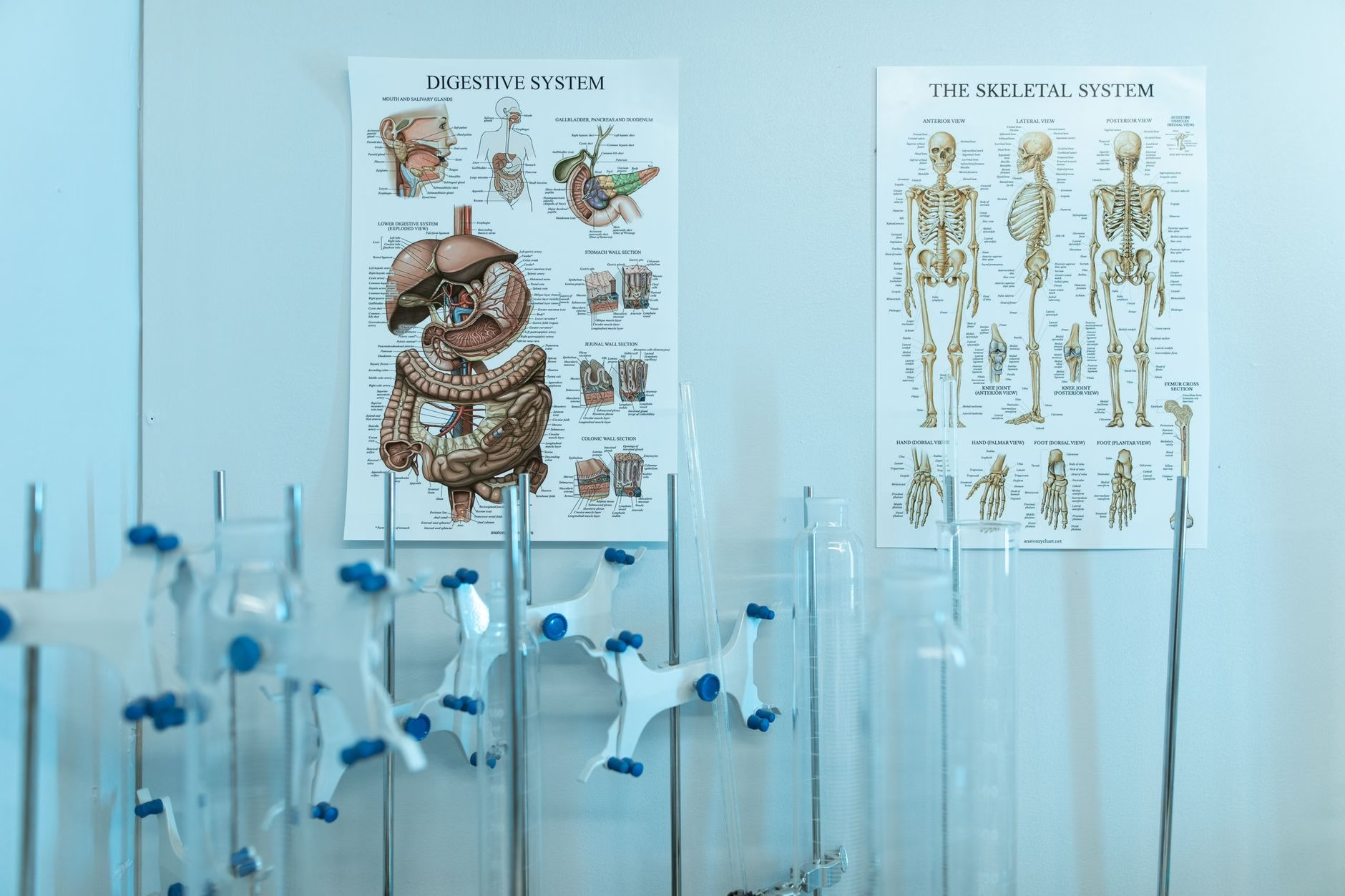
skeletal system is the framework of our body. It holds us upright and supports all parts. This system is more than a rigid set of bones. It protects soft organs. It lets us move.
It makes blood cells. It stores minerals that our body needs. In this article, you will learn about the parts of the body framework and how it works. You will learn how bones grow and heal. You will learn how to keep your bones strong. You will read about common bone problems like fractures and osteoporosis. You will find easy tips on diet, exercise, and safety. You will know when to see a doctor.
This guide uses clear words. It explains medical ideas in simple terms. You will see real steps you can take for bone health. You will read facts from trusted sources. After this introduction, you will see a key takeaways table. Then you will read detailed sections on structure, function, care, and warnings. This guide will help you protect your body and stay strong. You will also learn how diet helps bone health. You will see which foods add calcium. You will learn safe exercises. You will learn ways to prevent daily falls.
Key Takeaways
| Key functions of the skeletal system | Support, protection, movement, and blood cell production. |
| Strong skeletal system | Helps guard organs and supports body health. |
Overview of the skeletal system
The skeletal system provides the framework for the body. It holds weight and gives shape. It protects organs like the brain and heart. It allows movement by working with muscles. Bones also store calcium and phosphorus. In bone marrow, blood cells are made. The adult human body has about 206 bones. Some people have a few more or a few less.
Bones come in many shapes and sizes. There are long bones in the arms and legs. There are flat bones in the skull and ribs. There are short bones in the wrists and ankles. There are irregular bones in the spine. All bones fit together. Joints allow them to meet and move. The skull has fixed joints to keep the brain safe. The spine has many small joints that bend and twist.
The ribs join the spine at one end. They meet at the front on the sternum. This makes a cage around the heart and lungs. Your hips and shoulders are ball and socket joints. They let you move in many ways. Knees and elbows are hinge joints. They bend like doors. All these parts work as a strong frame for the body.
Bone tissue is living tissue. It has cells that make and break down bone. This keeps bones new and strong. It helps fix tiny cracks. It also helps balance minerals in the body. When you need more calcium, bones release it into blood. When there is extra calcium, bones take it in. This balance keeps the body healthy.
Components of the skeletal system
This system has many parts that work together. It has bones as the main structure. Cartilage is soft and rubbery. It covers bone ends at joints. It lets bones move smoothly. Ligaments attach bone to bone.
They keep joints strong and stable. Tendons attach muscle to bone. They pull on bone to make movement. Joints are places where two or more bones meet. Some joints let no move, like the skull. Other joints let little move, like the spine. Most joints let a lot of move, like the shoulder. Bone marrow is inside some bones. It is a soft tissue. It makes red blood cells, white blood cells, and platelets. All parts protect the body and let it move. They also help heal when there is harm.
Cartilage also lines parts of the nose and ears. It helps make the shape. It also works as a shock absorber. Ligaments can stretch a little. But they can tear if you stretch too much. Tendons are strong cords. They can become sore when you use them hard. Bone marrow can be red or yellow. Red marrow makes blood cells. Yellow marrow stores fat. In some bones, yellow marrow can turn back to red marrow if the body needs more blood cells.
How the skeletal system changes with age
At birth, many bones are soft. They have more cartilage. Growth plates are areas at bone ends. They grow and add length. A child grows in height when growth plates add new bone. This happens until late teens or early twenties.
Bones get strong and dense in early adult years. After about age thirty, bone building and bone loss are in balance. Later, bone loss can speed up. In women, loss can speed up after menopause. Illness or age can weaken the skeletal system. Bones can lose density faster. This makes breaks more likely. You can help slow bone loss. You can do that with diet and exercise. You can talk to a doctor about tests and medicine.
Bone health across life stages
Bone health is important from childhood to old age. In childhood, getting enough calcium and vitamin D helps bones grow. Kids need active play and sports. In teen years, good habits set the course for later life. Teens should eat dairy, leafy greens, and get sun for vitamin D. In adult years, bones are strong if they were built well in youth. Adults should keep a balanced diet and stay active.
After age fifty, bone loss can speed up. Women have faster bone loss after menopause. Men also lose bone over time. Both should have bone density tests if they have risk factors. Older adults may need to adjust diet and move to protect bones. It is never too late to start good habits. A healthy lifestyle helps bones and overall health at any age.
Functions of bones
Bones have five key jobs. First, they support the body frame. They let you stand tall. Second, they protect your soft parts. The skull shields the brain. The ribs guard the heart and lungs. Third, they help you move. Muscles pull on bones to make steps and bends. Fourth, they store minerals. They hold calcium and phosphorus. These minerals are released when the body needs them.
Fifth, they make blood cells. Bone marrow makes red cells, white cells, and platelets. This is called hematopoiesis. Bones also store fat in yellow marrow. Fat can be used for energy if needed.
Each function is vital. If bones lose minerals, they can become weak. If bone marrow stops working, you may have low blood cells. That can cause fatigue or risk of infection. If joints hurt, you may not move well. That can affect your daily life. Good bone health is linked to good overall health.
Bone growth and remodeling
Bone is a living tissue. It is always changing. Old bone is removed by cells called osteoclasts. New bone is made by cells called osteoblasts. This is bone remodeling. It helps fix small cracks from use. It also helps bone adapt to new loads. For example, when you lift weights, bone can grow stronger. When you don’t use bone, it can shrink. This can happen in bed rest or zero gravity.
Growth plates are special areas. They are found near the ends of long bones. They are made of cartilage. They multiply new bone cells. This makes bones longer. When a person reaches full height, growth plates close and turn to bone. After that, length stops. But remodeling continues. It keeps bones healthy for life. Remodeling needs minerals like calcium. It needs vitamin D to absorb calcium. It also needs hormones, such as growth hormone and sex hormones. Problems with these hormones can affect bone growth.
Bone remodeling also helps repair micro damage. Tiny cracks can happen with daily use. If not fixed, these cracks can grow and cause breaks. Remodeling cells find damage and remove old bone. Then they lay down new bone. This process takes weeks. Good blood flow and healthy cells help it go well.
Common skeletal conditions
A range of conditions can affect bones and joints. Some are due to wear and tear. Some are due to infection or immune system issues. Some are due to low bone density. Learning about each can help you know when to act.
Fractures and trauma
A fracture is a break in a bone. It can be a thin crack or a full break. Causes include falls, sports, and car crashes. Some factors make breaks more likely, like low bone density or age. Symptoms include sudden pain, swelling, or bruising. You may not move the limb. You may hear a snap or feel a pop. You may see the bone out of place in severe breaks.
If you suspect a fracture, do not move the limb. Keep it still. Tie a cloth or use a splint to hold it. Seek medical care quickly. A doctor will use X rays to see the break. They will set the bone. They may use a cast or pins. They may need surgery. You will need rest and rehab. A physical therapist can teach you gentle moves. This helps you regain strength and motion.
Osteoporosis
Osteoporosis is a condition of low bone density. Bones become thin and fragile. This raises the risk of fractures. It often has no signs until a break occurs. Common fracture sites are the hip, spine, and wrist. Risk factors include older age, past menopause in women, and low body weight. A diet low in calcium or vitamin D also raises risk. Smoking and too much alcohol can hurt bones. Certain medicines can lower bone density too.
You can talk to your doctor about a bone density test. This test measures bone strength. It is called a DXA scan. If you have weak bones, you may need medicine. Drugs like bisphosphonates can slow bone loss. Your doctor may suggest calcium and vitamin D supplements. You can learn more at the NIAMS osteoporosis guide. You can read about prevention and data on the CDC page on bone health. See symptoms and causes at the Mayo Clinic site.
Osteoarthritis and joint disorders
Osteoarthritis is a wear and tear disease. It affects the cartilage in joints. Common areas are the knees, hips, and hands. Cartilage wears away over time. Bones can rub together. This causes pain and stiffness. Symptoms include joint pain after use, swelling, and limited motion. You may hear a crunch or creaking sound. A doctor can use X rays to check joint space.
Managing osteoarthritis can include exercise and weight control. Low impact moves like swimming can help. Physical therapy can teach you ways to move with less pain. Over the counter or prescription pain medicines may help too. In some cases, a doctor may inject medicine into the joint. If pain is severe, joint replacement surgery is an option.
Rheumatoid arthritis
Rheumatoid arthritis is an autoimmune disease. The body’s defense system attacks the lining of joints. This causes pain, warmth, and swelling. It can affect many joints at once. You may feel tired or run a fever. It can also affect other parts like the eyes or lungs. A doctor can test for markers in blood, like rheumatoid factor.
Treatment includes medicines that slow the immune attack. These are called disease modifying drugs. They keep the disease from worsening. You may also take anti inflammatory medicines. Physical therapy and rest help manage symptoms. Early care is important to protect joints.
Bone infections
Osteomyelitis is an infection in a bone. It can come from nearby infection or through the bloodstream. You may have fever, chills, and bone pain. The area can look red and feel warm. You may lose function in that limb.
Doctors use imaging like MRI to find the infected area. You need strong antibiotics, sometimes through an IV. If there is dead bone, surgery may be needed. It is key to treat fast. Untreated bone infection can lead to chronic problems.
Spinal disorders
The spine is made of many bones called vertebrae. They stack on each other with discs in between. Discs are soft pads that act like cushions. Spinal problems can include herniated discs. This is when a disc bulges or leaks out. It can press on nerves. You may feel pain or numbness in your arms or legs.
Scoliosis is a curve in the spine. It often starts in childhood. A curve can grow over time. Mild curves may need only check ups. Bigger curves may need a brace or surgery. Other spinal issues include arthritis of the spine and spinal stenosis. This is a narrowing of the space around the spinal cord. It can cause pain, weakness, or balance issues.
Nutrition for bone health
A strong diet is key for healthy bones. You need calcium. Adults need around 1,000 to 1,200 mg of calcium per day. You can get this from dairy, fortified foods, and green leafy vegetables. You need vitamin D. It helps the body absorb calcium. You can get vitamin D from sun, fish, and fortified foods. Some people need supplements.
Magnesium and phosphorus also matter. Learn about foods high in magnesium at our list on magnesium. You need phosphorus in dairy, meat, and nuts. Vitamin K is in leafy greens. It helps bone proteins. Protein also builds bone matrix. Eat lean meats, beans, and eggs. Other nutrients like zinc and copper play a role too.
Avoid too much salt and caffeine. They can cause you to lose calcium. Avoid sugary drinks. Drink water and low sugar drinks. Alcohol in small amounts may be ok. Too much alcohol can harm your bones and liver. Talk to a doctor or dietitian if you have health issues. Eating a wide range of foods helps. Include fruit, vegetables, whole grains, and lean proteins. This feeds your bones and body.
Exercise and bone health
Exercise is important at any age. Weight bearing moves force your bones to work. This makes bones build more cells. You can walk, dance, or hike. You can jog or climb stairs. Strength training with light weights or bands helps too.
Good exercise helps the skeletal system stay strong. You need at least 150 minutes of moderate activity a week. Break it into 30 minutes, five days a week. Add balance and strength moves twice a week. This can lower your risk of falls. It can help your joints and muscles. Always warm up and cool down. Wear good shoes. Drink water to stay hydrated.
If you have joint pain or health issues, start slow. Talk to a doctor or physiotherapist. They can show you safe moves. They can help adapt routines for your needs. Keep exercise fun. Try new activities with friends or a group.
Injury prevention and safety
Many bone injuries happen at home or work. You can take simple steps to stay safe. In the home, remove loose rugs and cords. Use non slip mats in the bath. Keep lights bright in halls and stairs. Use railings on stairs. Wear good shoes that fit well. Outdoors, clear ice and snow from walkways.
In sports, use helmets, pads, and guards. Follow the rules of the game. Warm up and stretch before play. Take breaks to rest. Drink water to avoid fatigue. In jobs with heavy lifting, lift with your legs, not your back. Get help with heavy or awkward loads.
For older adults, check homes for trip hazards. Use grab bars in bathrooms. Wear shoes with good grip. Use a cane or walker if needed. Keep vision and hearing checked. Good balance reduces falls and fractures.
Medical tests and screening
Doctors use tests to see bone health. A common test is a bone density scan. It is called a DXA or DEXA. It is quick and painless. You lie on a table. A scanner checks bones in your hip and spine. It tells if your bones are weak.
Your doctor may order blood tests. These can check calcium, vitamin D, and other markers. They can also check for infection or disease. If you have a fracture, you may get an X ray. You may need an MRI or CT scan if more detail is needed. Ask your doctor what tests you need.
Medications and treatment options
If you have bone disease, your doctor may suggest medicine. For osteoporosis, bisphosphonates can slow bone loss. Other drugs like denosumab or hormone therapy may work. Your doctor will talk to you about risks and benefits.
For arthritis, you may take pain relievers or anti inflammatory medicines. You may take disease modifying drugs for autoimmune arthritis. In severe cases, you may get injections in the joint. You may need surgery to replace a joint or fix a bone. After any treatment, you need rehab. A physiotherapist will help you rebuild strength and motion.
Always follow your doctor’s advice. Do not stop a medicine suddenly. Report side effects. Keep follow up visits. You may need to repeat tests to see how well the treatment is working.
When to seek medical care
Get help when bone or joint pain is severe or sudden. Get help if you have fever with bone or joint pain. Get help if you see redness, warmth, or swelling. Get help if you have a deformity or cannot move a limb. Get help if you cannot bear weight on a leg or arm.
If you have persistent pain for more than a week, talk to a doctor. If you have risk factors for weak bones, ask for a bone density test. If you have morning stiffness lasting more than an hour, see a doctor. If you have numbness, weakness, or tingling, you may have a nerve issue. Seek care quickly. These steps help find problems early.
Conclusion
Bones shape our lives. They give us strength and motion. They guard our organs. They make blood and store minerals. Good care of bones starts early and never stops. Eat foods rich in calcium, vitamin D, and key minerals. Stay active with weight bearing and strength moves. Make your home and work safe. Know the warning signs of fractures and infection. Talk to your doctor about tests if you have risk factors. Take steps to care for your skeletal system each day.