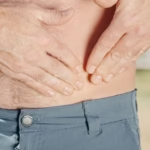
Why Do I Feel Sick After Eating?
If you’ve ever wondered, “Why do I feel sick after eating?” you’re not alone! Many people experience discomfort or even nausea after meals. This can range from mild unease to more severe symptoms that disrupt your daily life. Understanding why this happens can be the first step towards feeling better. So, let’s explore this common concern together.
Feeling sick after eating can happen for many reasons. It might be a sign that your digestive system is having a bit of a struggle, which can be frustrating. Sometimes, it can be linked to what you’ve eaten, while other times, it might be more related to how you’re eating. Whatever it is, getting to the bottom of it is key to finding relief!
What Does This Mean?
Feeling sick after eating, often described as postprandial malaise, can involve symptoms like nausea, bloating, gas, or even stomach pain. These symptoms could be mild for some people but can be quite distressing for others. It’s like your body is sending you a little signal that something isn’t quite right after you finish your meal. But fear not; this isn’t a unique problem!
Many factors can contribute to this discomfort, and understanding them can help you identify what might be causing your specific situation. So, let’s dive deeper into why this happens and what you can do to feel better.
Why Does This Happen?
There are several reasons why you might feel sick after a meal. One possible reason is how your body processes food. Some people may not digest certain foods well, leading to discomfort. Another common factor can be how fast you eat; eating too quickly can disrupt the normal digestive process, causing discomfort. In some people, underlying health issues, such as food intolerances or gastrointestinal disorders, can also play a role. Research suggests that understanding your body and eating habits can help in managing these symptoms over time.
Common Causes
Food Intolerances: One common reason people might feel sick after eating is food intolerance. This is when your body has trouble digesting certain foods, like lactose in dairy or gluten in wheat. If you notice that certain foods consistently make you feel ill, it could be worth exploring this further. Keeping a food diary can help track what you eat and when you feel unwell.
Overeating: Another factor is simply eating too much at one time. When you’ve overindulged, your stomach may feel full and uncomfortable, leading to nausea or bloating. Paying attention to portion sizes and practicing mindful eating can help you avoid this discomfort.
Gastroesophageal Reflux Disease (GERD): Some people experience more severe symptoms due to GERD, where stomach acid flows back into the esophagus. This can lead to heartburn and nausea after meals. If you suspect this might be the cause, discussing it with a healthcare professional is a good idea.
Stress and Anxiety: Stress can also play a significant role in how you feel after eating. For some people, anxiety can trigger digestive issues. Taking time to relax, whether through breathing exercises or gentle activities, can make a difference.
Signs and Symptoms to Watch For
Common symptoms you might experience after a meal include:
- Nausea or vomiting
- Bloating or gas
- Stomach pain or cramping
- Heartburn or acid reflux
While occasional discomfort is common, persistent or worsening symptoms should not be ignored. If you notice severe pain, blood in your vomit, or unexplained weight loss, it’s essential to consult a healthcare professional.
What Can Make It Worse?
Certain lifestyle habits can contribute to feeling sick after meals. For example:
- Eating Speed: Eating too quickly can lead to swallowing air, which may cause bloating.
- Diet: High-fat or spicy foods can trigger digestive discomfort for some individuals.
- Lack of Hydration: Not drinking enough water can impact digestion, making it harder for your body to process food.
- Alcohol and Smoking: Both of these can irritate the digestive tract and lead to discomfort.
Being aware of these factors can help you make adjustments to your routine for better digestion.
Foods and Drinks Related to the Topic
When it comes to foods that may help or hurt your digestion, it’s all about what works for you personally:
- Stay Hydrated: Drinking water can help digestion, but it’s best to sip rather than gulp down large amounts during meals.
- Limit Trigger Foods: Some people find that high-fat or rich foods upset their stomach, so moderate those in your diet.
- Focus on Fiber: Eating fiber-rich foods like fruits, vegetables, and whole grains can support digestion.
Remember, everyone’s body reacts differently, so it may take some trial and error to find what works best for you!
What Can We Do?
Here are some practical steps you can consider to help manage and reduce that sick feeling after eating:
- Eat Slowly: Taking your time when eating can help your body digest food better and reduce the chance of feeling sick.
- Keep a Food Journal: Writing down what you eat and how you feel afterward can help identify any trigger foods.
- Practice Portion Control: Eating smaller portions may make meals more comfortable and help with digestion.
- Stay Active: Gentle activity, such as walking after a meal, can support digestion.
- Consult a Professional: If you’re frequently feeling sick after eating, consulting with a healthcare provider can offer insights specific to your health.
Taking these steps can support your digestive health without forcing you to commit to a complete overhaul of your eating habits.
When Should You See a Doctor?
It’s important to consider seeking guidance from a healthcare professional if you notice any of the following:
- Severe or persistent stomach pain
- Blood in your stool or vomit
- Unexplained weight loss
- Persistent vomiting or nausea
- Difficulty swallowing
- Signs of dehydration
If your symptoms are any of these or continue despite reasonable lifestyle changes, reach out for help!
Frequently Asked Questions
Why am I always feeling sick after eating?
It could be due to food intolerances, overeating, or an underlying condition like GERD. Keeping track of your eating habits can help determine the cause.
Can food cause me to feel sick after eating?
Yes, certain foods can trigger discomfort. Common culprits include dairy and gluten for those with intolerances, as well as spicy or fatty foods.
Is it normal to feel sick after every meal?
While occasional discomfort can happen, feeling sick after every meal is not normal and should be discussed with a healthcare provider.
What can I do to feel better after eating?
Eating slowly, staying hydrated, and avoiding trigger foods can help. Gentle activity afterward can also aid digestion.
When should I worry about feeling sick after eating?
If your symptoms are severe, persistent, or worsening, it’s wise to consult a healthcare professional.
Can stress make me feel sick after eating?
Yes, stress can affect digestion and lead to feelings of nausea or discomfort after eating.
What role does hydration play in how I feel after eating?
Staying adequately hydrated aids in digestion, but drinking large amounts of water during meals may cause discomfort for some people.
Is there a specific diet to prevent feeling sick after eating?
While there’s no one-size-fits-all diet, focusing on balanced meals with whole, unprocessed foods can promote better digestive health.
What the Research Says About Why Do I Feel Sick After Eating?
Current research into digestive discomfort emphasizes the importance of understanding individual triggers and patterns. Studies suggest that food intolerances and gastrointestinal conditions like GERD are significant contributors to these symptoms. According to sources like the Mayo Clinic and the American Gastroenterological Association, recognizing and avoiding trigger foods is key in managing symptoms effectively. However, more research is needed to understand the complex interactions between diet, lifestyle, and digestive health fully.
Simple Daily Habits That May Support Better Health
Improving your health doesn’t mean a complete lifestyle change all at once. Small, consistent changes can make a difference:
- Stay mindful of your eating pace. Try to chew your food thoroughly and enjoy your meals.
- Incorporate a variety of foods. This can help ensure you’re not overloading on any single food type that might upset your stomach.
- Stay active regularly. Engage in light physical activity, such as walking, which can support digestion.
Final Thoughts
Feeling sick after eating can be uncomfortable and concerning, but understanding the causes can empower you to make choices that support your well-being. It’s essential to listen to your body and recognize when something feels off. We often overlook how our eating habits and food choices impact our digestion. Keeping track of how we feel after different meals can be a helpful tool. If symptoms persist or worsen, reaching out to a healthcare professional is a wise step.
Ultimately, our bodies are unique, and what works for one person might not work for another. With a bit of patience and attention, most people can find their way to better digestive health.
Sources and References
National Institutes of Health: Foodborne Illness. NIH.gov
Mayo Clinic: Gastroesophageal reflux disease (GERD). MayoClinic.org
Cleveland Clinic: Food Intolerance. ClevelandClinic.org
Harvard T.H. Chan School of Public Health: The Nutrition Source. Harvard.edu
Medical Disclaimer
This article is for general educational and informational purposes only. It is not intended to provide medical advice, diagnosis, or treatment. Health conditions can affect people differently, and information that is appropriate for one person may not be appropriate for another. If you have persistent, severe, or concerning symptoms, speak with a qualified healthcare professional for personalized advice.
Further Reading
Ivf Shot Schedule: 10 Things You Should Know
Omeprazole and Alcohol: Is It Safe to Mix?
what does a growth spurt in pregnancy feel like
Photo by Pavel Danilyuk on Pexels.