
Key Takeaways
- Prioritize fiber-rich whole foods like fruits, vegetables, and grains to support regular digestion and overall gut health.
- Practice mindful eating by chewing food thoroughly and slowing down to prevent bloating and discomfort during meals.
- Maintain adequate hydration and regular physical activity to help stimulate the digestive system and prevent constipation.
- Manage stress through relaxation techniques as the gut and brain are closely linked and affect digestive function.
How can I improve my digestion? This is a question many people find themselves pondering, especially when dealing with uncomfortable symptoms like bloating, gas, or constipation. Our digestive system is crucial for breaking down the foods we eat and absorbing nutrients, so it’s no wonder that when things go awry, we seek practical ways to bounce back to comfort. You might be searching for tips because you’ve noticed some tummy troubles or perhaps you’re curious about how you can support your digestive health more generally.
Improving digestion is not just about what you eat, but also about how you eat and the lifestyle choices you make. Many of us have busy lives, which can lead to hasty meals and a lack of attention to our bodies’ signals. The good news is that there are several simple changes you can implement, from adjusting your diet to refining your eating habits, that might help your digestive system work more smoothly. Let’s explore these options together!
What Does Digestive Health Mean?
When talking about digestion, we’re referring to how our body processes food. This involves breaking down what we eat into smaller components, so our bodies can absorb nutrients and eliminate waste. Good digestive health means everything is operating smoothly without any significant discomfort or inconvenience. You may have heard terms like “gut health,” which often refers to a balanced state in our digestive tract that plays a role in not just digestion, but also our overall well-being.
Some key players involved in digestion include the stomach, liver, pancreas, and intestines. Each one has a unique function, and the health of your gut flora, the billions of microorganisms that live in your intestines, can also influence how well you digest food. When the digestive system is in harmony, we feel better, have more energy, and can enjoy our meals without hesitation!
Why Does This Happen?
One possible reason someone may experience digestive issues is their diet. Consuming a lot of processed foods, for example, can interfere with the natural digestive process. Another common factor is how quickly we eat. Rushing through meals can lead to swallowing air, which might cause bloating and discomfort. Stress is an additional contributor; high levels of stress can impact digestion, leading to symptoms like stomach cramps or constipation.
Research suggests that certain health conditions, such as irritable bowel syndrome (IBS) or food intolerances, can also play a part in digestive troubles. In some individuals, a lack of physical activity can contribute to sluggish digestion, making it harder for the body to process food efficiently. Knowledge of these factors can empower you to take small but effective steps toward improving your digestion.
Common Causes
Understanding what might be causing your digestive discomfort can help you tackle the issue more effectively. Let’s explore a few common causes that could be at play:
Dietary Choices
What you choose to eat has a significant impact on digestion. Diets low in fiber can lead to constipation, while excessive fatty or spicy foods can cause an upset stomach. Readers may notice these patterns when they pay attention to how different meals make them feel.
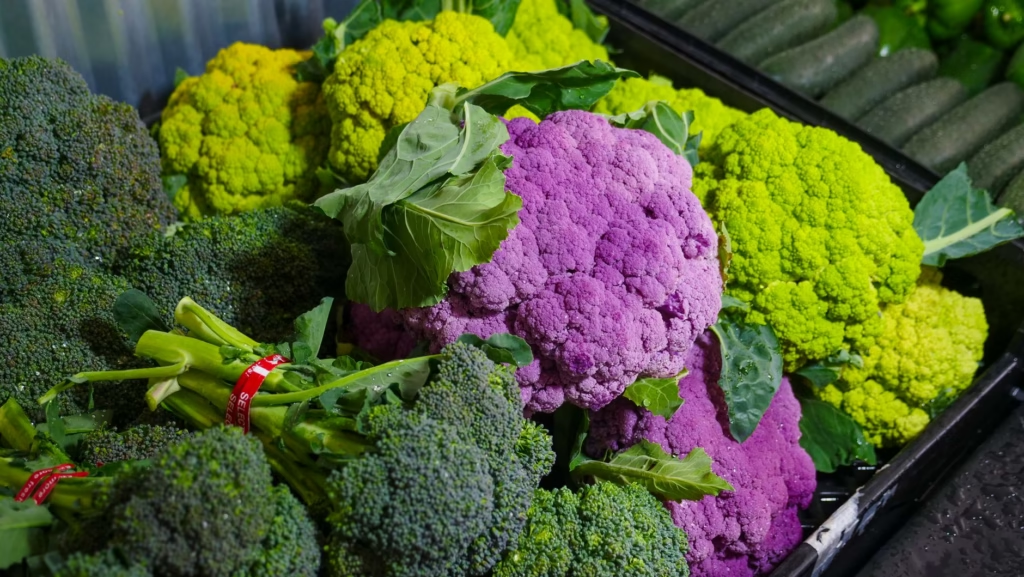
To improve your digestion, consider incorporating more fruits, vegetables, whole grains, and lean proteins into your meals. These foods are packed with nutrients and fiber, which can help keep everything moving smoothly.
Eating Habits
How you eat can be just as important as what you eat. Eating too quickly can lead to bloating or gas, as mentioned earlier. Taking the time to chew your food properly and savor each bite can aid digestion.
Another habit worth considering is how often and when you eat. Many people find that smaller, more frequent meals work better for them, while others prefer three balanced meals a day. It’s about finding what feels right for you!
Hydration
Staying hydrated is key for good digestion. Water aids in breaking down food so that nutrients can be absorbed more easily. If you’re not drinking enough water, you could experience constipation and other digestive issues.
Try to drink adequate water throughout the day, about eight 8-ounce glasses is a common recommendation, but individual needs can vary.
Stress and Mental Health
Your gut and your brain are closely linked. Research suggests that stress and anxiety can exacerbate digestive problems, leading to symptoms like stomachaches or changes in bowel habits. Addressing stress through mindfulness practices or physical activity may improve both your mood and digestion.
Lack of Physical Activity
A sedentary lifestyle can slow down your digestive system. Regular movement, such as walking, yoga, or any exercise you enjoy, can stimulate digestion and help keep things on track.
Consider incorporating 30 minutes of moderate exercise most days of the week, as per CDC recommendations, which can help promote gastrointestinal health.
Signs and Symptoms to Watch For
Recognizing signs that something might be off with your digestion can help guide your approach to health. Common symptoms include:
- Bloating
- Gas
- Constipation or diarrhea
- Heartburn
- Stomach cramps
- Nausea
While occasional digestive discomfort is common, persistent or severe symptoms warrant a check-in with a healthcare professional. Understanding the difference between what’s occasional and what’s concerning can help you take action before problems escalate.
What Can Make It Worse?
Several factors can contribute to worsening digestive issues, including:
- Poor Diet: High-fat, processed, or sugary foods can lead to digestive distress.
- Skipping Meals: Not eating regularly can cause the digestive system to slow down.
- Dehydration: Insufficient fluid intake can lead to constipation.
- Smoking and Alcohol: Both can irritate the digestive tract and worsen symptoms.
- Too Much Stress: Elevated stress levels can interfere with gut function.
- Lack of Exercise: Sedentary habits are linked to slower digestion.
Foods and Drinks Related to the Topic
What we eat can significantly influence our digestion. Here are some foods that may help or worsen the situation:
Helpful Foods
- Fiber-Rich Foods: Fruits, vegetables, whole grains, and legumes can support digestion by adding bulk to stools and promoting regular bowel movements.
- Probiotics: Foods like yogurt, kefir, and fermented vegetables contain live bacteria that can benefit gut health.
- Ginger and Peppermint: Both have soothing properties and can help reduce nausea or bloating.
Foods to Approach with Care
- High-Fat Foods: Fatty foods can delay digestion and cause discomfort for some people.
- Sugary Snacks: Excess sugar can lead to imbalances in gut bacteria and digestive issues.
- Spicy Foods: These can irritate the digestive tract for certain individuals.
What Can We Do?
Let’s look at some practical steps you can take to enhance your digestion. These suggestions are simple, yet they may lead to better outcomes:
- Eat Mindfully: Take time to chew your food properly and savor each bite. Slowing down can aid digestion and help you recognize when you’re full.
- Hydrate: Make it a habit to drink water throughout the day. Keeping hydrated can support various bodily functions, including digestion.
- Include Fiber in Your Diet: Aim for at least 25-30 grams of fiber daily to keep your digestive system on track.
- Practice Stress Management: Engage in relaxation techniques such as meditation, yoga, or deep breathing exercises.
- Stay Active: Incorporate regular physical activity into your routine to stimulate digestion.
When Should You See a Doctor
There are instances when it’s crucial to seek professional medical advice regarding your digestive health. You should consider consulting a healthcare provider if you experience:
- Severe or persistent abdominal pain
- Blood in your stool
- Unexplained weight loss
- Prolonged vomiting or nausea
- Difficulty swallowing
- Severe weakness
- Symptoms that suddenly worsen
- Symptoms that persist despite making lifestyle changes
Your health is a priority, and knowing when to reach out for help is part of taking care of yourself.
Frequently Asked Questions
Why am I always feeling bloated?
Bloating can be caused by a variety of factors, including diet, eating habits, or gas buildup. Paying attention to how different foods make you feel can help identify triggers.
Can food cause digestive issues?
Yes, certain foods can lead to digestive troubles, especially if you have food intolerances or sensitivities. Keeping a food diary might help you pinpoint problematic foods.
When should I worry about my digestion?
Worries arise when symptoms are persistent or severe, like ongoing pain, blood in stool, or any drastic changes in your regular digestion patterns.
What role does hydration play in digestion?
Hydration is essential for digestion. It helps break down food and allows nutrients to be absorbed. Aim to drink enough water daily to support all bodily functions.
Does stress affect digestion?
Absolutely! Stress can affect how your gut functions, potentially leading to symptoms like discomfort or irregular bowel movements.
How does fiber help digestion?
Fiber adds bulk to stools, making them easier to pass and helping prevent constipation. It also supports healthy gut bacteria, which contribute to overall digestive health.
Can probiotics improve my digestion?
Some studies suggest that probiotics may support gut health and improve digestion for certain individuals, but results can vary. You might want to experiment with probiotic-rich foods and see how your body responds.
What types of exercise are best for digestion?
Any form of moderate exercise can benefit digestion. Walking, yoga, or low-impact aerobics are good places to start!
What the Research Says About How Can I Improve My Digestion?
Research supports many strategies for improving digestion. For instance, systematic reviews indicate that a high-fiber diet is associated with reduced risk of digestive issues such as constipation (National Institutes of Health). Additionally, studies have shown that probiotics can help restore balance in gut bacteria, potentially alleviating symptoms like bloating and diarrhea (American Gastroenterological Association).
However, it’s important to note that individual responses vary widely; what works for one person might not work for another. A personalized approach, guided by a healthcare professional, can often yield the best results for managing digestive health.
Simple Daily Habits That May Support Better Health
Every small step counts when it comes to improving digestion. Here are some easy daily habits to consider:
- Eat at Regular Intervals: Try to maintain a consistent eating schedule to help regulate your digestive system.
- Incorporate Physical Activity: Make movement a part of your daily routine, even if it’s just a short walk during lunch!
- Opt for Whole Foods: Favor fresh, minimally processed foods which tend to be easier on your stomach.
- Listen to Your Body: If you feel full or uncomfortable, take a break, overeating can lead to digestive woes.
Final Thoughts
We often take our digestive health for granted until something feels off. If you’re wondering, “How can I improve my digestion?” remember that small changes can lead to big improvements. From adopting mindful eating habits and staying hydrated to incorporating more fiber-rich foods into your diet, there are several ways to support your digestive system.
Our bodies can be quite resilient, but it’s important to listen to them. If persistent digestive issues arise, don’t hesitate to speak with a qualified healthcare professional. Taking care of your digestion is a key part of maintaining your overall health, and every step you take toward balance is a step in the right direction!

Sources and References
National Institutes of Health: Dietary Fiber and Health. 2021. https://ods.od.nih.gov/factsheets/Fiber-HealthProfessional/
American Gastroenterological Association: Probiotics. 2022. https://www.gastro.org/practice-guidance/gi-patient-center/topic/probiotics
Centers for Disease Control and Prevention: Physical Activity Basics. 2022. https://www.cdc.gov/physicalactivity/basics/index.htm
Mayo Clinic: Irritable Bowel Syndrome (IBS). 2022. https://www.mayoclinic.org/diseases-conditions/irritable-bowel-syndrome/symptoms-causes/syc-20382090
Cleveland Clinic: Gut Microbiome. 2021. https://my.clevelandclinic.org/health/diseases/21538-gut-microbiome

Medical Disclaimer
This article is for general educational and informational purposes only. It is not intended to provide medical advice, diagnosis, or treatment. Health conditions can affect people differently, and information that is appropriate for one person may not be appropriate for another. If you have persistent, severe, or concerning symptoms, speak with a qualified healthcare professional for personalized advice.
Further Reading
Ivf Shot Schedule: 10 Things You Should Know
Omeprazole and Alcohol: Is It Safe to Mix?
what does a growth spurt in pregnancy feel like
Photo by Dana Sredojevic on Pexels.
Frequently Asked Questions
Can chewing gum cause bloating?
Yes, chewing gum can lead to swallowing excess air, which is a common cause of bloating and gas. If you notice symptoms, try limiting gum to see if your comfort improves.
Should I avoid coffee if I have digestive issues?
Caffeine can stimulate the digestive tract and may act as a laxative for some people, while potentially irritating the stomach lining for others. Observe how your body reacts to coffee and consider reducing your intake if you notice increased sensitivity.
Are there specific times of day that are best for bowel movements?
While there is no single right time, many people find that the body naturally encourages a bowel movement in the morning after waking up. Establishing a consistent routine and listening to your body's signals is most important.
Does eating late at night affect digestion?
Eating large meals right before bed can sometimes lead to indigestion or heartburn because your body is trying to process food while you lie down. Aim to finish your last meal at least two to three hours before sleeping.
The Bottom Line
Improving your digestion is a journey that starts with small, consistent changes to your daily habits. By focusing on fiber, hydration, mindful eating, and stress management, you can support your gut and overall well-being. Remember that your body is unique, so listen to its signals and seek professional advice if you have ongoing concerns.