Key Takeaways
- Fiber-rich foods like fruits, vegetables, and whole grains help move food through your digestive tract effectively.
- Probiotic-rich items such as yogurt and fermented foods support a healthy balance of gut bacteria.
- Mindful eating, staying hydrated, and managing stress are essential habits for optimal digestive function.
- Persistent or severe digestive symptoms should always be evaluated by a healthcare professional.
Best Foods to Eat for Better Digestion
Are you often feeling bloated or dealing with uncomfortable stomach issues? If so, you’re not alone! Many people search for the best foods to eat for better digestion. This means that you may be on the lookout for tasty and nutritious options that support your digestive health. Digestive troubles can happen for various reasons, such as the foods we eat, how we eat them, or even our lifestyle choices. The good news is that by choosing certain foods, you can help your body process what you eat more smoothly.
In this article, we’ll explore the best foods to eat for better digestion and share tips on how to make gentle, helpful changes in your diet. Remember, your digestion is essential to your overall well-being. It’s where your body gets the nutrients it needs to thrive, so taking care of your digestive system is a great investment in your health!
What Does This Mean?
The concept of best foods to eat for better digestion revolves around how certain foods can positively influence your digestive processes. Digestion begins in your mouth and continues in your stomach and intestines, where food is broken down, nutrients are absorbed, and waste is eliminated. When your digestion is functioning well, you’ll likely feel more energetic, balanced, and free from discomfort.
Some terms you might come across when researching digestion include fiber, probiotics, and fermented foods. Fiber is a type of carbohydrate that helps to move food through your digestive tract, while probiotics are live bacteria that can promote gut health. Fermented foods are those that have been through a process of fermentation, which boosts their probiotic content.
Why Does This Happen?
Many factors can affect your digestion, and understanding them can help in choosing the right foods. One possible reason for digestive issues is a lack of dietary fiber. Fiber helps keep things moving along in your gut, preventing constipation and promoting regular bowel movements.
Another common factor is the balance of bacteria in your gut. Research suggests that a healthy gut microbiome can improve nutrient absorption and support a strong immune system. Additionally, eating too quickly, consuming highly processed foods, or experiencing high-stress levels may negatively impact digestion for some people.
Common Causes
Understanding common causes can help you make informed choices.
Dietary Fiber Deficiency: When we don’t consume enough fiber, our digestive system struggles to break down food efficiently. If you’re experiencing constipation or irregular bowel movements, increasing your fiber intake can help.
Gut Bacteria Imbalance: Your gut is home to billions of bacteria, both good and bad. If the balance is off, you may face digestive issues. Eating a variety of foods, especially those rich in probiotics, can support a healthy balance.
Stress and Lifestyle: Stressful situations can trigger digestive problems for many. Anxiety might lead to digestive irregularities, causing symptoms like nausea or cramps. Practicing stress-relief techniques, such as meditation or yoga, can be beneficial.
Food Intolerances: Some individuals may have intolerances to specific foods, like lactose in dairy or gluten in wheat. If you notice symptoms like bloating or upset stomach after eating certain foods, it’s worth talking to a healthcare professional about possible intolerances.
Signs and Symptoms to Watch For
Being aware of your body can help you recognize signs indicating that your digestion may need some attention. Common symptoms related to digestion issues include:
- Bloating or gas after eating
- Constipation or diarrhea
- Abdominal discomfort or cramps
- Heartburn or acid reflux
Occasional discomfort can be normal, especially after a big meal, but if symptoms persist or worsen, you should consult a healthcare professional.
What Can Make it Worse?
Certain habits can contribute to digestive problems. Here are some factors to consider:
- Poor Diet: A diet high in processed foods and low in fruits, vegetables, and whole grains can lead to digestive troubles.
- Inadequate Hydration: Not drinking enough water can lead to constipation. Aim to stay hydrated throughout the day.
- Irregular Eating Habits: Skipping meals or eating large portions can stress your digestive system.
- Stress: As mentioned before, stress can lead to digestive issues like stomach cramps or inconsistent bowel movements.
Foods and Drinks Related to the Topic
Let’s explore some of the best foods you can incorporate into your diet for better digestion:
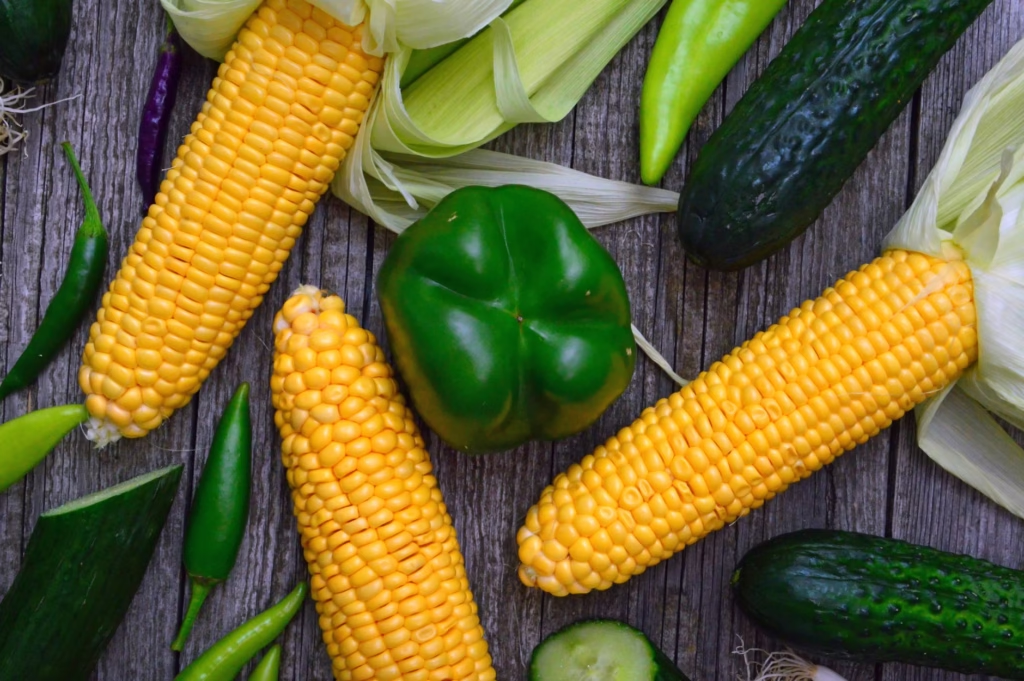
- Fruits and Vegetables: Foods like apples, pears, berries, broccoli, and leafy greens are high in fiber and promote healthy digestion.
- Whole Grains: Brown rice, oats, quinoa, and whole-grain bread offer beneficial fiber and nutrients that aid digestion.
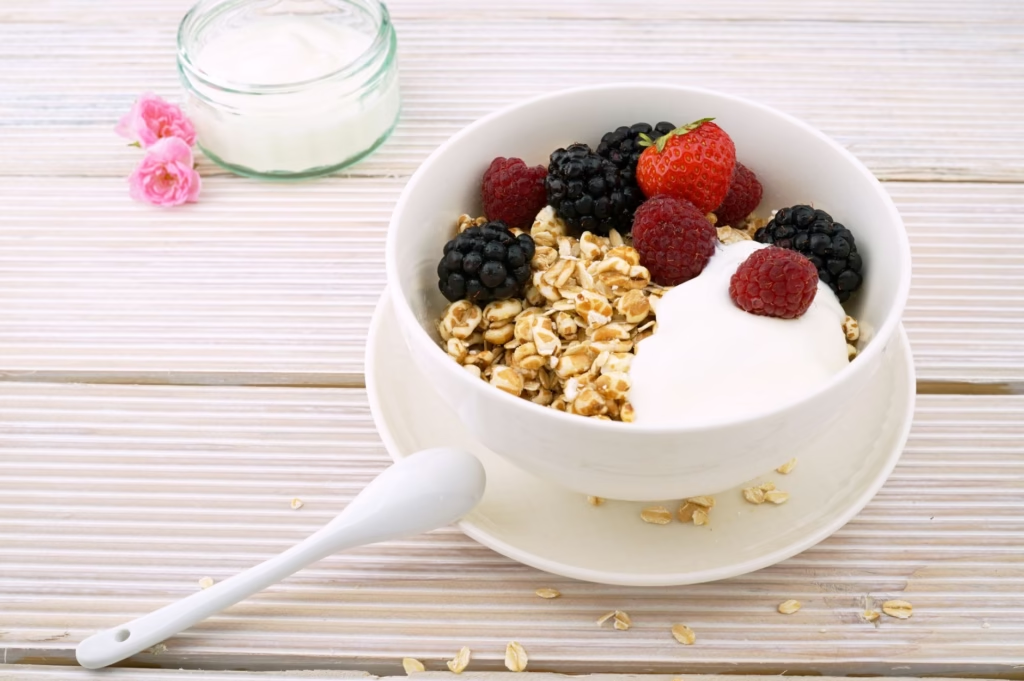
- Probiotic-Rich Foods: Yogurt, kefir, and fermented foods like sauerkraut and kimchi contain probiotics that may support gut health.
- Lean Proteins: Chicken, fish, and legumes are easy to digest and contain essential nutrients for overall health.
However, it’s important to remember that everyone’s body reacts differently to foods. What works for one person may not work for another, so it’s helpful to pay attention to how different foods make you feel.
What Can We Do?
Here are practical steps you can take to support better digestion:
- Include Fiber-Rich Foods: Strive to eat a variety of fiber from fruits, vegetables, and whole grains. This may help keep your digestive system running smoothly.
- Stay Hydrated: Drinking plenty of water aids digestion and helps dissolve nutrients, making them more accessible to your body.
- Practice Mindful Eating: Take time to chew your food thoroughly and eat slowly, allowing your stomach to signal when it’s full.
- Manage Stress: Incorporating stress-reducing techniques, such as deep breathing and exercise, can support digestive health.
When Should You See a Doctor?
There are situations when it’s essential to seek professional medical advice. Consider talking to a healthcare professional if you experience:
- Severe or persistent abdominal pain
- Blood in your stool or dark, tarry stools
- Unexplained weight loss
- Persistent vomiting
- Difficulties swallowing
Knowing when to seek help can make a difference, so trust your instincts about your health.
Frequently Asked Questions
Why am I always bloated?
Bloating can occur due to various factors, including diet, food intolerances, or eating too quickly. Keeping a food diary may help you identify triggers.
Can food cause digestive issues?
Yes, certain foods, especially those high in fat, sugar, or artificial ingredients, may lead to digestive discomfort for some individuals.
When should I worry about digestive symptoms?
If symptoms are persistent, severe, or worsening despite making dietary adjustments, it’s advisable to consult a healthcare professional for further evaluation.
What types of fiber are best for digestion?
Soluble fiber, found in foods like oats and apples, and insoluble fiber, present in whole grains and vegetables, both support healthy digestion.
Can probiotics really help digestion?
Research suggests that probiotics may support gut health and digestion, but individual responses can vary. Foods rich in probiotics include yogurt and fermented products.
Is it normal to have occasional digestive discomfort?
Yes, occasional digestive discomfort can be normal, especially after a large meal. However, persistent symptoms should be discussed with a doctor.
What role does hydration play in digestion?
Staying well-hydrated aids digestion by helping to break down food and absorbing nutrients, reducing the risk of constipation and digestive discomfort.
Can stress really affect my digestive health?
Absolutely! Stress can disrupt digestive processes, leading to issues like stomach cramps and bloating. Finding ways to manage stress is essential for overall digestive wellness.
What the Research Says About Best Foods to Eat for Better Digestion
Research has shown that a diet rich in fiber, fruits, vegetables, and probiotics can promote better digestion. For instance, a systematic review published in Gastroenterology highlighted the benefits of dietary fiber in preventing constipation and improving gut health. Additionally, the Mayo Clinic notes that probiotics may improve symptoms of digestive issues, although individual responses can vary greatly.
Furthermore, a study in the American Journal of Clinical Nutrition indicated that fermented foods can enhance gut microbiota diversity, which plays a crucial role in digestion and overall health. These studies suggest that incorporating various healthful foods into your diet can have a positive impact on your digestive well-being.
Simple Daily Habits That May Support Better Health
Incorporating small habits into your daily routine may lead to long-term benefits for your digestive health. Here are a few to consider:
- Daily Walks: A short walk after meals may aid digestion and help you feel more comfortable.
- Mindful Mealtime: Engaging in the moment while eating can improve digestion by allowing your body to signal fullness effectively.
- Consistent Meal Times: Eating regular meals can help your digestive system function better, as routines may promote more effective digestion.
Final Thoughts
We often overlook the critical role our digestion plays in our overall health. It’s essential for absorbing nutrients and eliminating waste, key components of maintaining our well-being. Trying out the best foods to eat for better digestion, like fiber-rich fruits and vegetables, probiotics, and whole grains, can be a great way to support your body.
If we notice consistent digestive discomfort, it’s a good idea to take some time for self-reflection and perhaps make dietary adjustments. And remember, everyone’s body is different, so it’s essential to find what works best for you. If symptoms persist or worsen, discussing this with a healthcare professional is always a good plan. Here’s to happy, healthy digestion!
Sources and References
National Institute of Diabetes and Digestive and Kidney Diseases: Digestive Diseases Statistics. 2017. https://www.niddk.nih.gov/statistics
Mayo Clinic: Probiotics: What They Are and How They Work. 2022. https://www.mayoclinic.org/healthy-lifestyle/nutrition-and-healthy-eating/in-depth/probiotics/art-20045708
American Gastroenterological Association: The Gut Microbiome: What is it and Why is it Important? 2018. https://www.gastro.org/practice-tools/patient-resources/what-is-the-gut-microbiome
Harvard T.H. Chan School of Public Health: The Nutrition Source – Fiber. 2022. https://www.hsph.harvard.edu/nutritionsource/fiber/
Cleveland Clinic: Healthy Eating for Your Digestive Health. 2022. https://my.clevelandclinic.org/health/diseases/12166-digestive-health

Medical Disclaimer
This article is for general educational and informational purposes only. It is not intended to provide medical advice, diagnosis, or treatment. Health conditions can affect people differently, and information that is appropriate for one person may not be appropriate for another. If you have persistent, severe, or concerning symptoms, speak with a qualified healthcare professional for personalized advice.
Further Reading
Ivf Shot Schedule: 10 Things You Should Know
Omeprazole and Alcohol: Is It Safe to Mix?
what does a growth spurt in pregnancy feel like
Photo by Novkov Visuals on Pexels.
Frequently Asked Questions
Are there specific foods I should avoid for better digestion?
While individual triggers vary, many people find that highly processed foods, excess caffeine, and greasy or deep-fried items can cause digestive distress. It is often helpful to limit these while prioritizing whole foods.
How long does it take for dietary changes to improve digestion?
The time it takes to notice improvements can vary based on the change you make. Some people feel better within a few days of increasing hydration or fiber, while gut microbiome adjustments from probiotics may take a few weeks to show results.
Should I take fiber supplements if I am not getting enough from food?
Getting fiber from whole foods is generally preferred as you also benefit from other nutrients. If you struggle to reach your goals through diet alone, speak with a doctor to see if a fiber supplement is appropriate for your specific needs.
Does chewing gum affect my digestion?
Chewing gum can lead to swallowing excess air, which may cause bloating or gas for some people. If you notice discomfort, you might consider limiting gum to see if your symptoms improve.
The Bottom Line
Prioritizing your digestive health is a powerful way to support your body's ability to absorb nutrients and maintain daily energy levels. By focusing on fiber-rich whole foods, staying hydrated, and practicing mindful eating habits, you can often soothe common discomforts. Everyone’s body is unique, so listen to your gut and consult a professional if your symptoms do not improve with these lifestyle adjustments.