Key Takeaways
- Gentle walking after meals can help stimulate digestion and ease mild feelings of bloating.
- Physical movement encourages peristalsis and increases blood flow to organs involved in the digestive process.
- Consistent daily activity supports long-term digestive health and helps prevent issues like constipation.
- Listen to your body and consult a medical professional if you experience persistent or severe digestive pain.
Does Walking Help Digestion?
Does walking help digestion? If you’ve ever experienced a bit of discomfort in your stomach after a meal, you may have found yourself pondering this question. Many people want to know if walking, a simple and accessible form of exercise, can improve the way our bodies digest food. You might be looking for a natural way to ease bloating or speed up digestion after eating. After all, who doesn’t want to feel better after a big meal?
Walking is not just a great way to stay in shape; it can also have some positive effects on our digestive system. While it may not be a magic solution, research suggests that even a gentle stroll can stimulate digestion. In this article, we’ll explore how walking may impact your digestion, the reasons behind it, and what you can do to support your digestive health.
What Does This Mean?
When we talk about whether walking helps digestion, we’re discussing how moving our bodies can influence the process of breaking down food in our stomachs and intestines. To understand this better, let’s quickly break down some terms:
- Digestion: The process our bodies go through to break down food into smaller parts that can be absorbed and used for energy.
- Gastrointestinal (GI) tract: The pathway that food travels in our bodies, starting from the mouth and going all the way to the stomach and intestines.
Walking helps get things moving in our GI tract, potentially making it easier for our bodies to digest food. But it’s important to note that everyone’s body is different, and what works for one person may not work for another.
Why Does This Happen?
One possible reason walking may help digestion is that it can stimulate peristalsis, which is the wave-like motion that moves food through our digestive system. Another common factor could be that walking increases blood flow to the digestive organs, which may help these organs work more efficiently.
Research suggests that light to moderate exercise, such as walking, can help alleviate symptoms of bloating and constipation, making digestion more comfortable for many people. In some studies, participants who engaged in physical activity reported improved digestive comfort compared to those who were sedentary.
Common Causes
There are several potential causes related to digestion that might make someone wonder if walking could be beneficial:
1. Slow Digestion
Sometimes, our bodies might take longer to break down food due to a variety of reasons, like a heavy meal or being less active. Walking after eating could help speed up this process. You might notice a sense of relief or a less bloated feeling after a short walk.
2. Gas and Bloating
Gas and bloating can occur for many reasons, including what we eat and how fast we eat it. Gentle walking can sometimes help relieve this uncomfortable feeling by encouraging gas to move through the intestines more easily.
3. Constipation
Regular walking may help prevent constipation by encouraging bowel movements. If you’re struggling with irregularity, daily walks may provide a helpful nudge. However, it’s important to remember that everyone’s digestive system is unique, what works for one person may not work for another.
Signs and Symptoms to Watch For
When considering if walking can assist with digestion, it’s important to be aware of signs and symptoms related to digestion:
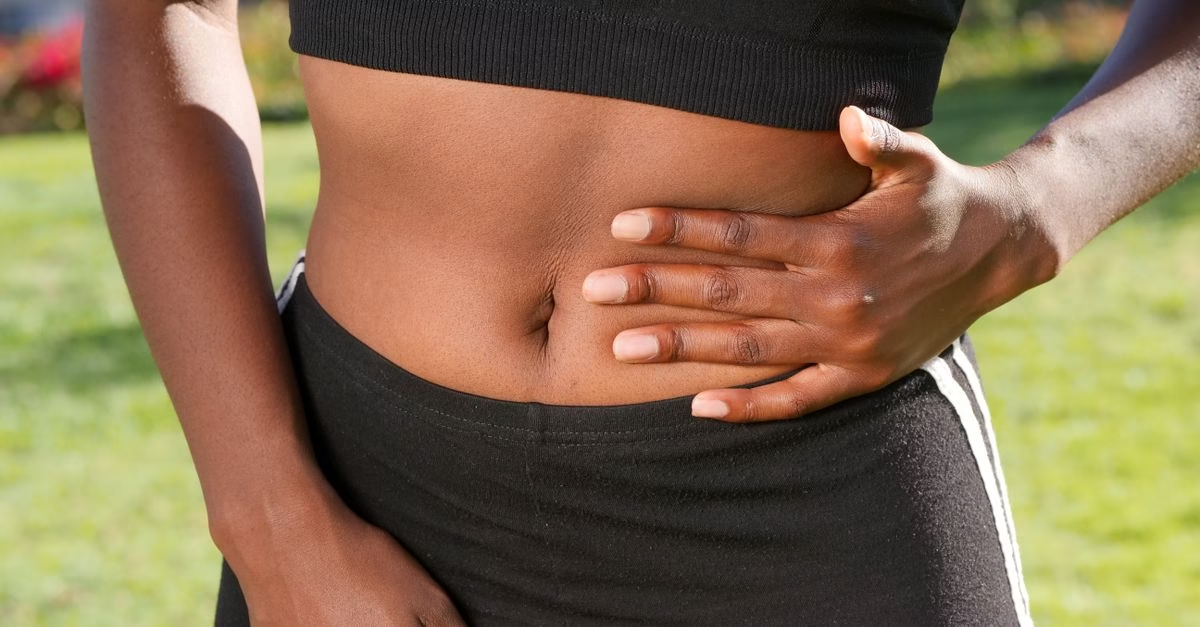
- Common Symptoms: Mild bloating, gas, and a sense of fullness after meals.
- Symptoms Needing Attention: Persistent pain, sudden weight loss, blood in stool, or changes in bowel habits lasting more than a week.
If you’re experiencing any of the more serious symptoms, it’s a good idea to talk to a healthcare professional to rule out any underlying conditions.
What Can Make it Worse?
Several lifestyle factors can contribute to poor digestion:
- Poor Diet: Diets high in processed foods, sugars, and unhealthy fats may contribute to digestive issues.
- Eating Habits: Eating too quickly can lead to swallowing air and feeling bloated.
- Lack of Hydration: Not drinking enough water can cause difficulty for your digestive system.
- Stress: High-stress levels can affect how well your body digests food.
Foods and Drinks Related to the Topic
While walking may help digestion, being mindful of what you eat is just as important. Here are some food suggestions:
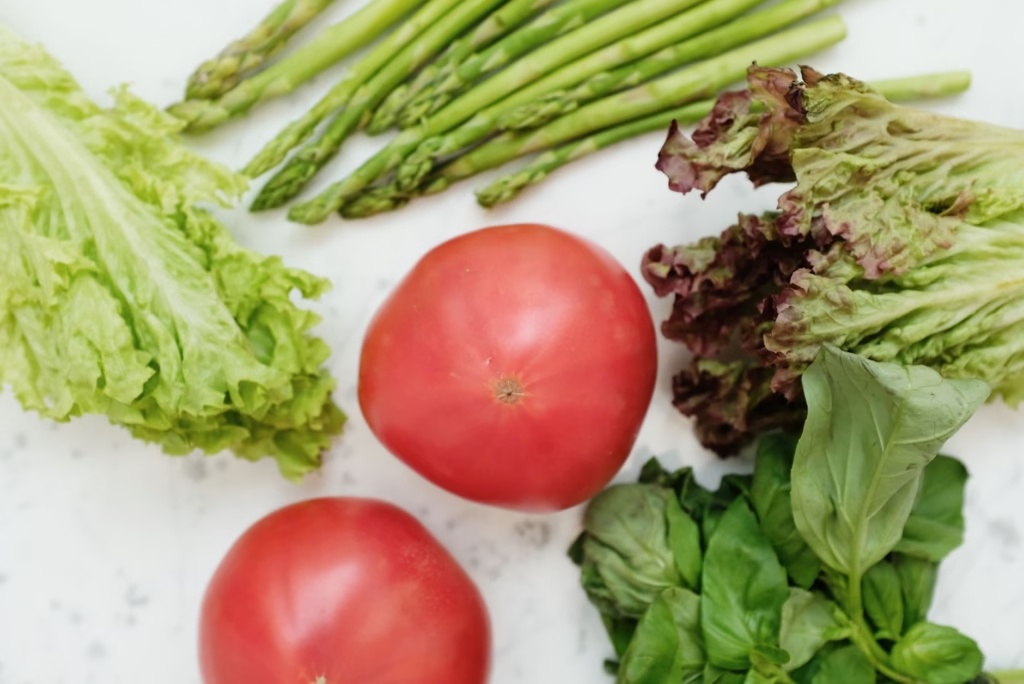
- Helpful Foods: Foods rich in fiber, such as fruits, vegetables, and whole grains, can encourage regular digestion.
- Avoid Heavy Meals: Greasy or overly heavy meals may make you feel sluggish and could hinder digestion.
- Hydration is Key: Staying hydrated is essential for digestion, so don’t forget to drink water throughout the day.
People’s responses to food can differ, so it might take some experimenting to find what works best for you.
What Can We Do?
If you want to promote better digestion, here are some practical steps to consider:
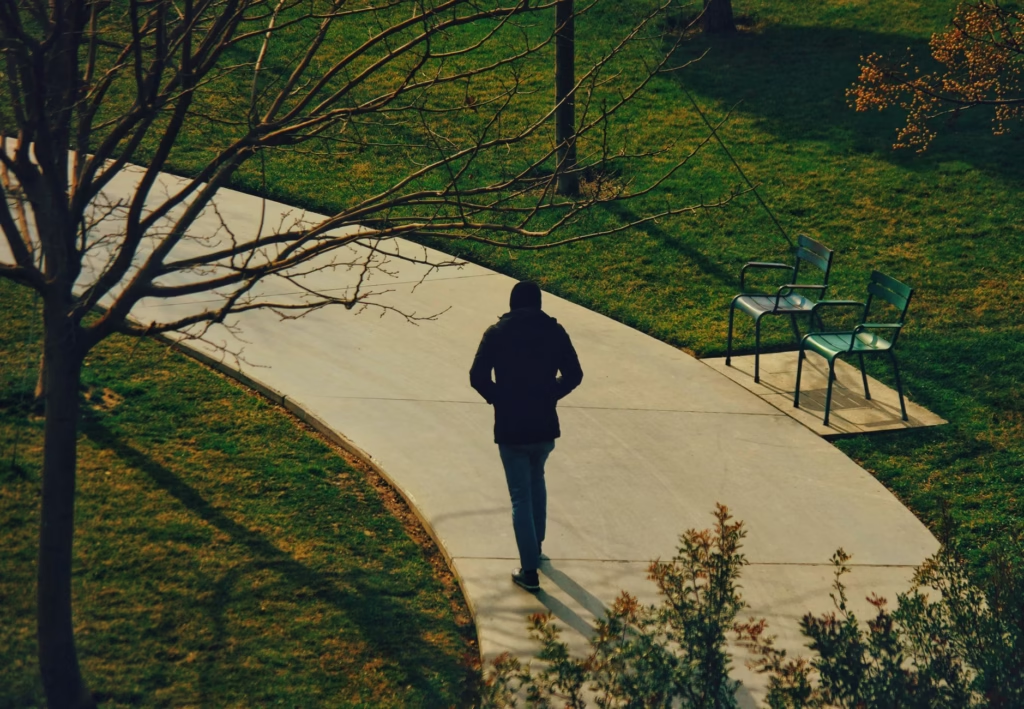
- Take Regular Walks: Aim for 10-15 minute walks after meals to help stimulate digestion.
- Stay Hydrated: Drink plenty of water to keep your digestive system running smoothly.
- Watch Portion Sizes: Eating smaller meals may reduce discomfort and help digestion.
- Practice Mindful Eating: Slow down while eating to help prevent air swallowing and promote better digestion.
When Should You See a Doctor?
If you’re experiencing ongoing digestive issues, it’s essential to consult a healthcare professional, especially if you notice any of the following red flags:
- Severe or persistent abdominal pain.
- Changes in bowel habits lasting more than a week.
- Blood in your stool or vomit.
- Unexplained weight loss or difficulty swallowing.
Your health and comfort are crucial, so never hesitate to reach out for help.
Frequently Asked Questions
Why am I always bloated even after walking?
Bloating can be caused by a variety of factors, including diet, stress, and food intolerances. Sometimes, walking may help, but if you’re consistently bloated, consult a doctor for further evaluation.
Can food cause poor digestion?
Yes, certain foods, especially those that are greasy, high in sugar, or processed, can negatively impact digestion. Everyone’s stomach reacts differently, so it’s important to pay attention to how certain foods make you feel.
When should I worry about my digestion?
If you experience severe pain, significant weight loss, or blood in your stool, it’s important to seek medical advice. Chronic digestive symptoms should be discussed with a healthcare professional.
How much should I walk for better digestion?
Short walks of 10-15 minutes after meals may help. Regular daily walking is also beneficial, but hear your body and adapt as needed!
Does walking help everyone with digestion?
While walking can benefit many, individual responses may vary. Some people may find relief, while others might experience no significant change.
Is it better to walk before or after meals?
Walking after meals may help kickstart digestion for many people, but gentle walks before meals can also stimulate appetite. Find what feels best for you!
Are there other activities that aid digestion?
Along with walking, activities like yoga can help relieve discomfort and encourage digestion by promoting relaxation and stretching the gut.
Can stress affect my digestion while walking?
Yes, stress can impact digestion by causing symptoms like stomach cramps or bloating. Regular walking can help reduce stress levels, potentially benefiting your digestion overall.
What the Research Says About Does Walking Help Digestion?
Studies have shown that regular physical activity, including walking, can have a positive impact on digestion. For instance, a review published in the American Journal of Gastroenterology found that physical activity can be associated with improved bowel regularity and reduced gastrointestinal discomfort. It suggests that consistent moderate exercise may enhance the function of the digestive system.
While further research is needed to establish firm conclusions, the current evidence suggests that walking does indeed play a role in promoting better digestion, especially when integrated into daily routines.
Simple Daily Habits That May Support Better Health
In addition to walking, adopting some small habits can help improve overall digestive health:
- Eat more fruits and vegetables: They provide fiber that can aid digestion.
- Stay active: Regular physical activity is crucial for maintaining a functional digestive system.
- Manage stress: Techniques such as meditation or deep-breathing exercises can help reduce anxiety and improve digestion.
- Sufficient sleep: Good-quality sleep is important for overall health, including digestion.
Final Thoughts
As we’ve explored, walking can indeed be a helpful partner in supporting digestion! A gentle stroll after meals can alleviate bloating and improve how our bodies process food. Our bodies are complex, and while walking may assist many of us, it’s important to listen and respond to our own unique digestive signals.
Maintaining a balanced diet, staying hydrated, and staying active can all contribute to better digestive health. It’s essential to remember that if you notice persistent or concerning symptoms, reaching out to a healthcare professional can provide you with the support and guidance you might need. Let’s keep moving, stay curious, and give our bodies the care they deserve!
Sources and References
NIH: National Institute of Health. “Physical Activity and Health.” 2023. https://www.nih.gov/news-events/news-releases/physical-activity-lowers-risk-chronic-disease
Mayo Clinic: “Exercise and Digestive Health.” 2022. https://www.mayoclinic.org/healthy-lifestyle/fitness/in-depth/exercise-and-digestive-health/art-20427207
Cleveland Clinic: “Bloating: Causes and Treatment.” 2023. https://my.clevelandclinic.org/health/diseases/12519-bloating
American Gastroenterological Association: “Exercise and gastrointestinal health.” 2021. https://www.gastro.org/news/exercise-and-the-gastrointestinal-system
Johns Hopkins Medicine: “Tips for Eating Well and Digestion.” 2023. https://www.hopkinsmedicine.org/health/wellness-and-prevention/tips-for-eating-well
Medical Disclaimer
This article is for general educational and informational purposes only. It is not intended to provide medical advice, diagnosis, or treatment. Health conditions can affect people differently, and information that is appropriate for one person may not be appropriate for another. If you have persistent, severe, or concerning symptoms, speak with a qualified healthcare professional for personalized advice.
Further Reading
Ivf Shot Schedule: 10 Things You Should Know
Omeprazole and Alcohol: Is It Safe to Mix?
what does a growth spurt in pregnancy feel like
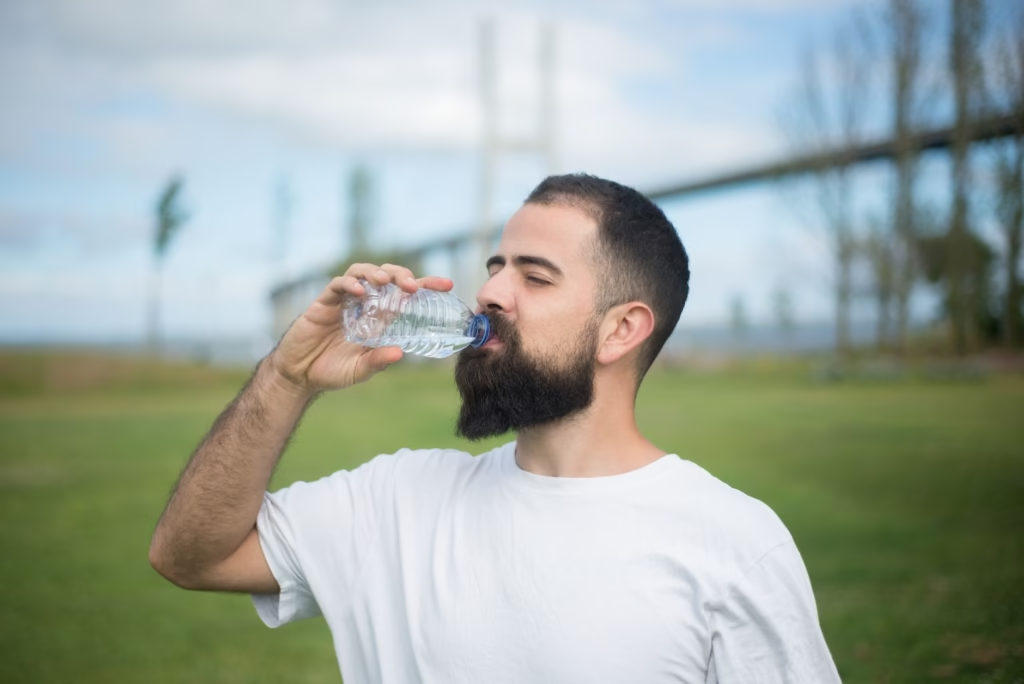
Photo by Kindel Media on Pexels.
Frequently Asked Questions
Does drinking water while walking help digestion?
Staying hydrated is essential for the digestive process at all times. Drinking water while you walk can support healthy movement through the GI tract, but ensure you do not drink too quickly to avoid swallowing excess air.
Can I walk immediately after a large meal?
Yes, a light and gentle stroll is generally fine after eating. Avoid intense or vigorous exercise right after a meal, as this may redirect blood flow away from the stomach and cause discomfort.
Should I walk if I have acid reflux?
Gentle walking can be helpful, but avoid bending over or performing movements that put pressure on your abdomen. Staying upright after eating is often recommended to help manage acid reflux symptoms.
Is walking better than sitting after dinner?
Yes, light movement is generally more beneficial than sitting or lying down immediately after eating. Being sedentary can slow down the digestive process, while gentle activity encourages natural GI tract function.
The Bottom Line
Walking is a simple, accessible way to support your digestive system after a meal. By incorporating a short stroll into your routine, you can help reduce bloating and encourage smoother digestion. Remember that your digestive health is unique, so pay attention to how your body responds and seek professional advice for any persistent concerns.