Key Takeaways
- Fiber supports healthy digestion and helps maintain steady blood sugar and cholesterol levels.
- Gradually increase your daily fiber intake to avoid temporary gas or abdominal bloating.
- Drink plenty of water to help fiber move through your digestive system effectively.
- Prioritize a variety of vegetables like broccoli, carrots, and sweet potatoes for optimal health.
Best High Fiber Vegetables
If you’ve been looking for ways to improve your gut health, you might be wondering about the best high fiber vegetables. Fiber is essential for a healthy digestive system, and eating fiber-rich foods can help keep things running smoothly. This article will explore some of the top vegetables packed with fiber and why including them in your diet can be beneficial for your overall health.
So, what exactly does it mean to eat the best high fiber vegetables? Simply put, these are vegetables that contain a good amount of dietary fiber, which is the part of plant foods that our bodies can’t digest fully. You may be searching for this information to help with issues like regularity, bloating, or overall wellness. Whether you want to boost your fiber intake for digestion or simply increase your vegetable consumption, you’ll find this guide helpful!
What Are High Fiber Vegetables?
High fiber vegetables are those that provide a significant amount of dietary fiber per serving. Dietary fiber can be classified as soluble or insoluble. Soluble fiber dissolves in water and can help lower blood sugar and cholesterol levels, while insoluble fiber promotes healthy bowel movements by adding bulk to the stool. Examples of high fiber vegetables include broccoli, brussels sprouts, and carrots.
Eating a variety of high fiber vegetables can support your digestive health and may help reduce the risk of several chronic diseases, including diabetes and heart disease. Moreover, vegetables are packed with other nutrients, such as vitamins, minerals, and antioxidants, making them a big win for your health!
Why Should We Eat High Fiber Vegetables?
Research suggests that consuming fiber can have many benefits. One possible reason for this is that fiber helps the digestive system function properly. It can promote feelings of fullness, which may help with weight management. Another common factor is that fiber can support healthy cholesterol and blood sugar levels.
Feeling sluggish or bloated? Incorporating more high fiber vegetables into your diet could be an easy way to improve digestion. However, it’s essential to introduce fiber gradually, as suddenly increasing your intake can lead to gas and bloating in some individuals.
Common High Fiber Vegetables
Here are some popular options that you might want to add to your shopping list:
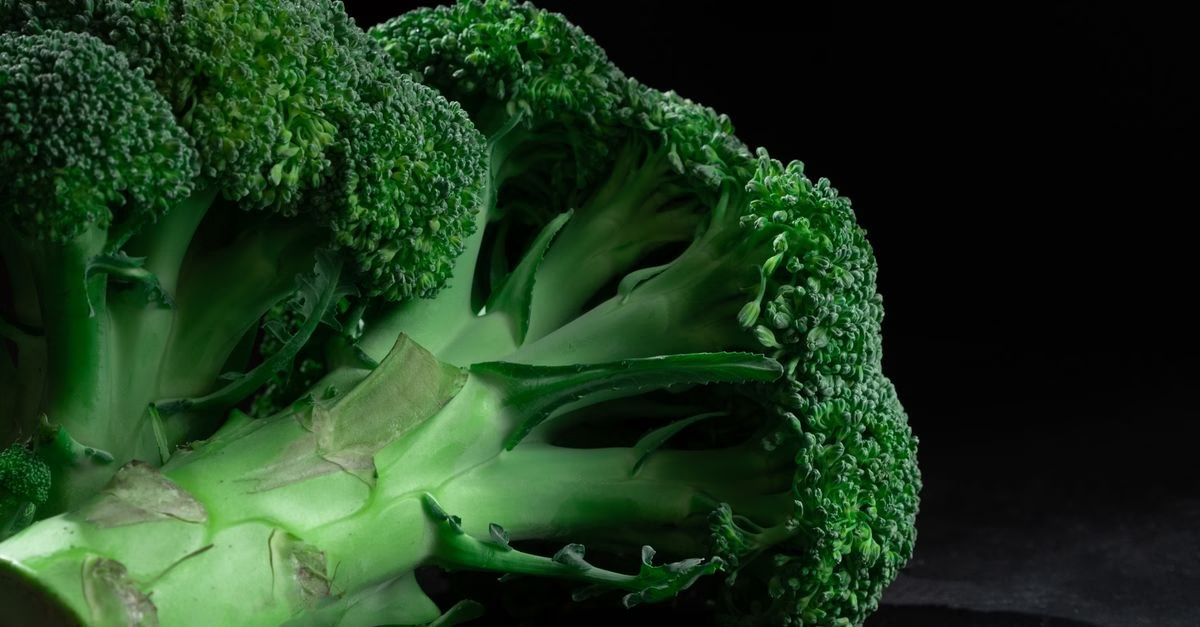
- Broccoli: Packed with fiber and nutrients, broccoli is a versatile vegetable that can be eaten raw, steamed, or added to various dishes.
- Brussels Sprouts: These little cabbages are not only high in fiber but also rich in vitamins C and K.
- Carrots: Crunchy and sweet, carrots can be enjoyed raw or cooked and are an excellent source of fiber and beta carotene.
- Sweet Potatoes: A delicious option that contains both fiber and important nutrients like vitamin A.
- Artichokes: High in fiber, artichokes are a unique and tasty addition to salads or dips.
- Spinach: Known for its health benefits, spinach is also a good source of fiber. Add it to smoothies or salads for some extra crunch!
Signs and Symptoms to Watch For
Increasing your intake of high fiber vegetables can greatly benefit your digestive health, but it’s essential to listen to your body. Common signs that you may need more fiber include irregular bowel movements, constipation, and feelings of bloating. However, if you notice persistent digestive discomfort, it may be time to consult a healthcare professional.
What Can Make It Worse?
Several factors can interfere with your fiber intake and digestive health, including:
- Poor hydration: Not drinking enough fluids can lead to constipation and make it harder for fiber to do its job.
- Low physical activity: Sedentary lifestyles can slow down digestion and contribute to issues.
- Diet: If your diet lacks variety, it may limit your fiber options. Focus on incorporating various high fiber vegetables.
Foods and Drinks Related to the Topic
While high fiber vegetables are great, remember that your overall diet impacts digestive health. Foods like whole grains, legumes, nuts, and seeds also contribute fiber. It’s best to vary your sources to get a range of nutrients.
What Can We Do?
Here are some practical steps to incorporate high fiber vegetables into your daily life:
- Add vegetables to every meal: Whether it’s a side dish or a main course, vegetables can easily be included.
- Snack on raw veggies: Keep cut veggies handy for snacks; carrot and celery sticks are great with hummus!
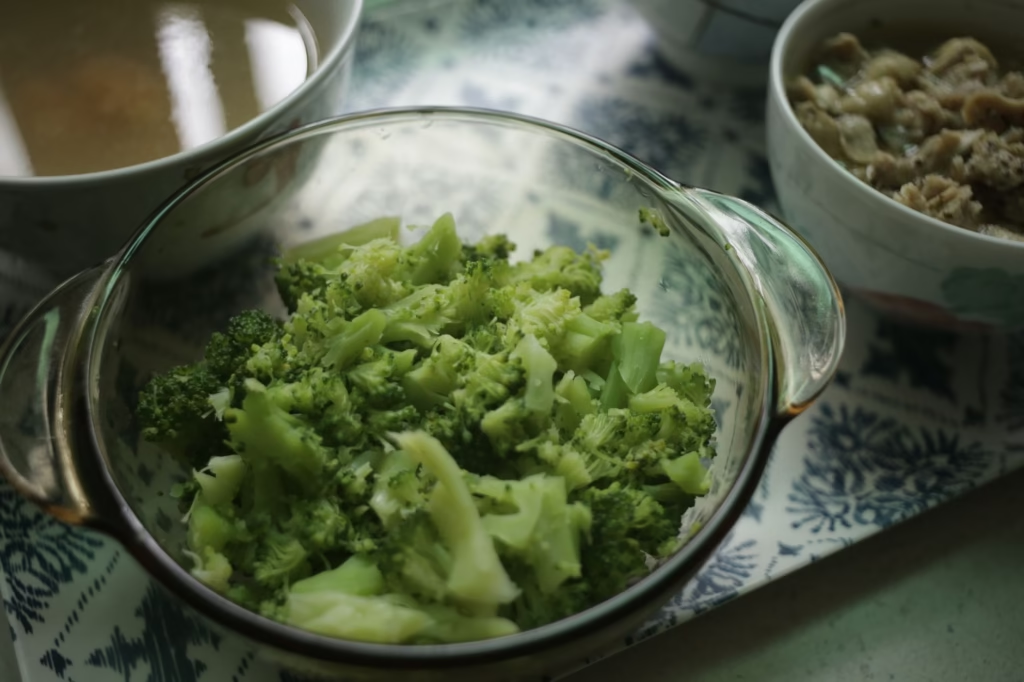
- Experiment with cooking methods: Try roasting, grilling, or steaming your vegetables to bring out their natural flavors.
When Should You See a Doctor?
It’s important to monitor your health. Make a note to consult with a healthcare professional if you experience:
- Severe or persistent abdominal pain
- Blood in your stool
- Unexplained weight loss
- Consistent vomiting or nausea
These could be signs of a more serious condition that requires professional attention.
Frequently Asked Questions
Why am I always bloated after eating high fiber vegetables?
Bloating can occur if you suddenly increase your fiber intake. It’s best to add fiber gradually and ensure you are drinking plenty of water.
Can food intolerances affect my ability to eat high fiber vegetables?
Absolutely! Some people may have sensitivities to certain vegetables, leading to digestive discomfort. If you have food intolerances, consider discussing your diet with a healthcare professional.
How do I increase my fiber intake without discomfort?
Start slowly! Introduce one high fiber vegetable at a time and gradually increase while maintaining adequate hydration.
Are high fiber vegetables better cooked or raw?
Both cooked and raw high fiber vegetables offer health benefits. Cooking can make some vegetables easier to digest, while raw versions can preserve more nutrients.
How much fiber should I aim for daily?
General recommendations suggest about 25 grams for women and 38 grams for men per day. However, individual needs may vary.
Can high fiber vegetables help with weight loss?
High fiber vegetables can aid in weight loss by promoting feelings of fullness, which may help reduce overall calorie intake.
Do I need to take supplements if I eat high fiber vegetables?
Most people can meet their fiber needs through whole foods without supplements. Consult a doctor before making any dietary changes.
What’s the best cooking method for maintaining fiber content?
Steaming or microwaving generally keeps more fiber intact compared to boiling, where some fiber can leach into the water.
What the Research Says About High Fiber Vegetables
Studies suggest that rising fiber consumption is beneficial for digestive health. According to the American Gastroenterological Association, a high-fiber diet is connected to a lower risk of developing gut-related issues. Furthermore, research indicates that individuals who consume a fiber-rich diet may stay more satisfied, supporting weight management goals (Mayo Clinic). While more research is always beneficial, it’s clear that adding these vegetables to your plate can play a significant role in maintaining good health.
Simple Daily Habits That May Support Better Health
Healthy habits don’t have to be overwhelming! Here are a few simple changes you can make:
- Keep a variety of vegetables ready in the fridge for quick meals.
- Set a daily goal to try a new high fiber vegetable each week.
- Stay hydrated, drink water throughout the day to help fiber do its job!
Final Thoughts
Incorporating the best high fiber vegetables into your diet can be a delicious and enjoyable way to boost your health. We often find that small changes make a big difference. By adding a variety of these fiber-rich veggies to your meals, we can support our digestive health and overall well-being. Remember, however, if you have any ongoing or concerning digestive symptoms, it’s essential to talk with a healthcare professional.
Sources and References
American Gastroenterological Association: Health benefits of fiber. Available at: https://www.gastro.org
Mayo Clinic: Dietary fiber: Essential for a healthy diet. Updated April 2021.
National Institutes of Health: Fiber and health: What you need to know. Available at: https://www.nih.gov
Cleveland Clinic: High Fibern Foods: Choose the Right Vegetables. Available at: https://my.clevelandclinic.org
CDC: Nutrition and healthy eating. Available at: https://www.cdc.gov/nutrition
Medical Disclaimer
This article is for general educational and informational purposes only. It is not intended to provide medical advice, diagnosis, or treatment. Health conditions can affect people differently, and information that is appropriate for one person may not be appropriate for another. If you have persistent, severe, or concerning symptoms, speak with a qualified healthcare professional for personalized advice.
Further Reading
Ivf Shot Schedule: 10 Things You Should Know
Omeprazole and Alcohol: Is It Safe to Mix?
what does a growth spurt in pregnancy feel like
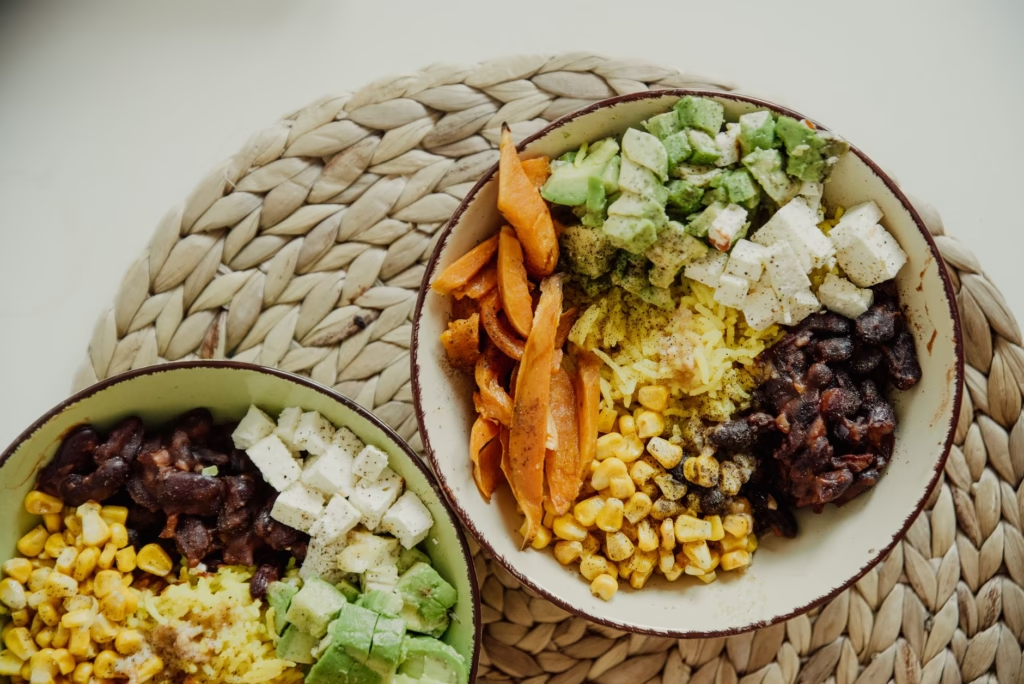
Photo by Mikhail Nilov on Pexels.
Frequently Asked Questions
Can I eat high fiber vegetables if I have irritable bowel syndrome?
People with conditions like IBS may need to be selective about which vegetables they consume. Some high-fiber foods can trigger symptoms in sensitive individuals, so it is best to work with a dietitian or doctor to identify safe options.
Do canned vegetables provide the same amount of fiber as fresh ones?
Canned vegetables can be a convenient source of fiber, but be sure to check labels for added salt or sugar. Rinse them thoroughly under cold water to reduce excess sodium content before eating.
Is there a specific time of day that is best to eat fiber?
There is no specific time that is superior, but spreading your fiber intake across all meals can help prevent digestive discomfort. Eating fiber at breakfast can also help you feel full and satisfied throughout the morning.
Can children benefit from high fiber vegetables?
Yes, children require fiber for healthy bowel function and overall growth. However, their daily needs are lower than adults, so it is best to consult with a pediatrician for age-appropriate portion guidance.
The Bottom Line
Prioritizing the best high fiber vegetables is a simple, effective way to nurture your gut health and improve your overall well-being. By introducing these nutrient-dense foods slowly and staying well-hydrated, you can enjoy the many digestive benefits they offer. Remember to listen to your body and consult a healthcare professional if you experience any persistent concerns.