Key Takeaways
- Probiotics are beneficial live bacteria that support digestion, immunity, and overall gut health.
- Common probiotic sources include yogurt, kefir, sauerkraut, kimchi, miso, and tempeh.
- A balanced diet, stress management, and proper hydration are essential for maintaining healthy gut flora.
- Introduce probiotic foods slowly to monitor how your body responds to these new additions.
Best Probiotic Foods
Are you curious about the best probiotic foods to enhance your gut health? You’re not alone! Probiotics are live bacteria and yeasts that are good for your health, particularly your digestive system. You might be searching for the best probiotic foods if you’re looking to improve your overall well-being, support digestion, or even boost your immune system. Probiotic-rich foods can introduce beneficial bacteria into your gut, which might help with various digestive issues.
In this article, we’ll explore a variety of probiotic foods, how they work, and the benefits they may offer. We will also discuss signs to look out for, foods that may help or hinder your gut health, and steps you can take for a healthier gut. Additionally, we’ll address when it might be necessary to consult a healthcare professional. By the end, you’ll be equipped with knowledge to make informed choices about incorporating the best probiotic foods into your diet!
What Are Probiotics?
Probiotics are tiny living organisms that can provide health benefits when consumed in adequate amounts. The term “probiotic” comes from Greek, meaning “for life.” These bacteria are found naturally in your body and play an important role in keeping your gut healthy. You can find probiotics in various fermented foods that people have enjoyed for centuries.
Common types of beneficial bacteria include Lactobacillus and Bifidobacterium. While many people associate bacteria with illness, it’s important to understand that not all bacteria are harmful. The right balance of good bacteria in your gut can help aid digestion, support your immune system, and even influence your mood.
Why Do We Need Probiotics?
One possible reason we need probiotics is to support the natural balance of gut bacteria, which can be disrupted by factors such as poor diet, stress, or antibiotic use. Another common factor is that as we age, our gut flora, the community of bacteria living in our intestines, can change, potentially leading to digestive discomfort.
Research suggests that maintaining a healthy balance of these beneficial bacteria can aid in digestion, prevent diarrhea, and may even help with certain conditions like irritable bowel syndrome (IBS). However, the specific health benefits of probiotics can vary from person to person.
Common Causes of Imbalanced Gut Bacteria
There are several common factors that can lead to an imbalance in gut bacteria:
- Poor Diet: A diet low in fiber and high in processed foods might not support the growth of beneficial bacteria. Instead, a diet rich in fruits, vegetables, and whole grains helps nourish healthy gut flora.
- Antibiotics: While antibiotics are necessary to treat infections, they can also eliminate beneficial bacteria in your gut. This disruption can lead to digestive issues.
- Stress: High levels of stress can negatively impact gut health. Some studies suggest that stress management techniques, like mindfulness and exercise, can improve gut bacteria.
Signs and Symptoms to Watch For
Common symptoms of an imbalanced gut may include:
- Bloating
- Gas
- Diarrhea
- Constipation
While occasional digestive discomfort is common and often nothing to worry about, persistent symptoms could indicate a need for changes in your diet or lifestyle. If you are having constant issues, such as severe abdominal pain or blood in your stool, it’s essential to consult with a healthcare professional.
What Can Make It Worse?
Several lifestyle and dietary factors can worsen gut health:
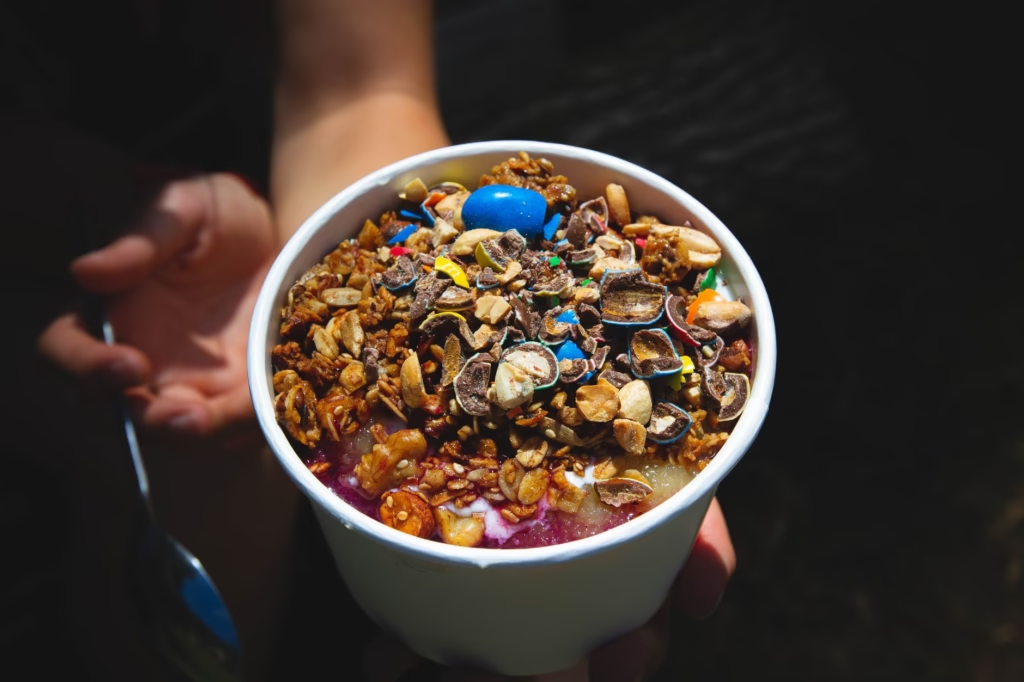
- Poor Eating Habits: Eating too quickly or consuming high-fat, sugary foods can lead to digestive disturbances.
- Lack of Hydration: Not drinking enough water can impair digestion and nutrient absorption.
- Inadequate Sleep: Poor sleep patterns can affect digestion and overall health, including gut health.
- High Stress Levels: Chronic stress can alter gut bacteria and lead to discomfort.
Foods and Drinks Related to Probiotics
Incorporating the right foods into your diet can be a game-changer for your gut health. The following are some of the best probiotic foods you might consider:
- Yogurt: Look for live cultures or probiotic yogurts that contain beneficial bacteria.
- Kefir: A fermented milk drink rich in probiotics, similar to yogurt but with a wider variety of bacteria.
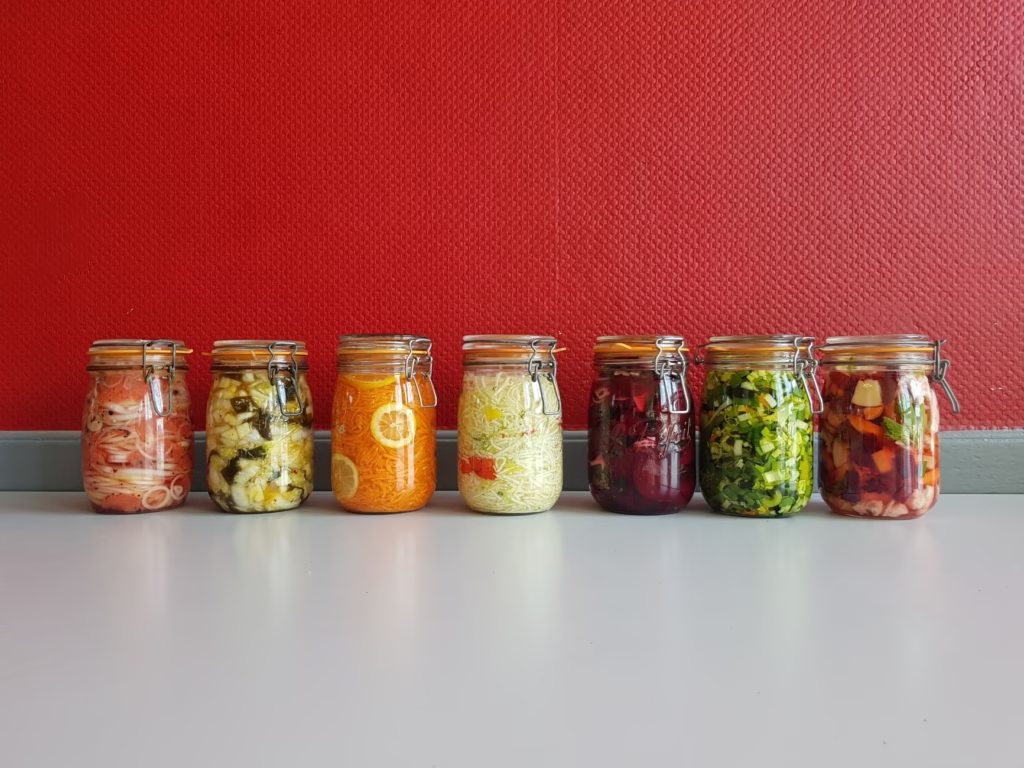
- Kraut and Kimchi: Fermented vegetables like sauerkraut and kimchi are not only delicious but also rich in nutrients and beneficial bacteria.
- Miso: A Japanese fermented soybean paste that is an excellent source of probiotics.
- Tempeh: A fermented soybean product that provides protein and beneficial probiotics, ideal for plant-based diets.
Listening to your body is key, as responses to these foods can differ. Some may find yogurt to be beneficial, while others may experience discomfort if they are lactose intolerant.
What Can We Do?
To support your gut health through diet, consider these practical steps:
- Include Probiotic Foods: Add a serving of yogurt or a fermented vegetable to your meals each day.
- Eat Prebiotic Foods: Foods like bananas, onions, and garlic feed the beneficial bacteria in your gut.
- Stay Hydrated: Drink plenty of water to aid digestion and support gut functions.
- Manage Stress: Engage in stress-reduction activities like yoga or meditation.
While making these changes may help improve gut health, be careful not to expect immediate changes. Additionally, everyone’s situation is different, and it’s important to listen to your body.
When Should You See a Doctor?
While minor digestive discomfort can often be managed at home, there are specific signs where consulting a healthcare professional is necessary:
- Severe or persistent abdominal pain
- Blood in stool
- Unexplained weight loss
- Persistent vomiting
- Difficulty swallowing
- Fever
Should these symptoms arise, it’s crucial to seek medical help to rule out underlying health issues.
Frequently Asked Questions
Why am I always feeling bloated?
Bloating can be caused by several factors, including diet, stress, and other underlying conditions. It may be helpful to keep a food diary and identify trigger foods.
Can food cause digestive discomfort?
Yes, certain foods may cause discomfort, especially if they’re high in fat, sugar, or if you’re lactose intolerant. Keeping track of your dietary choices can help you pinpoint issues.
When should I worry about my gut health?
If you experience persistent symptoms such as severe abdominal pain, changes in bowel habits, or unexplained weight loss, it’s worth consulting a healthcare professional.
Are there any side effects from probiotics?
Some people may experience mild side effects like gas or bloating when starting probiotics. Typically, these symptoms improve with time as your body adjusts.
Can I get probiotics from supplements instead of food?
Yes, probiotic supplements are available, but obtaining probiotics from food also comes with added nutrients that are beneficial for general health.
How long does it take probiotics to work?
Results can vary from person to person. Some may notice improvements in gut health within a few days, while others may take weeks to see changes.
Do all fermented foods contain probiotics?
Not all fermented foods are probiotic-rich. Look for products that contain live cultures.
Can I consume too much probiotic-rich food?
Moderation is key. While probiotics are beneficial, excessive consumption can lead to digestive upset in some people.
What the Research Says About Probiotic Foods
Research on probiotics continues to expand, and some studies indicate that consuming probiotic-rich foods may support digestive health, influence mood, and even boost immune function. For instance, a systematic review published in the Journal of Gastroenterology found that probiotics can help reduce the incidence of antibiotic-associated diarrhea, indicating their potential benefits for gut health.
However, while many studies show positive results, research on certain health claims can still be mixed. For example, the effects of probiotics on mental health are an emerging field, and the evidence is not yet definitive. Always consider your individual health needs and consult reliable sources regarding your dietary choices.
Simple Daily Habits That May Support Better Health
To foster a healthier gut, consider implementing small daily habits:
- Eat a Balanced Diet: Incorporate a variety of foods, including plenty of fruits, vegetables, whole grains, and lean proteins.
- Practice Mindfulness: Engage in activities that promote relaxation and reduce stress.
- Stay Active: Regular physical activity can benefit your overall health, including gut health.
These habits can help cultivate a healthy gut environment, making it more resilient and better equipped to thrive.
Final Thoughts
We often overlook the incredible influence that our gut health can have on our overall well-being. Including the best probiotic foods in our diets, like yogurt, kimchi, and kefir, can offer support for our digestive systems and much more. It’s crucial to listen to our bodies and make mindful choices that contribute to gut balance.
If we notice persistent or severe symptoms, speaking with a healthcare professional can provide clarity and appropriate guidance. By embracing small, daily habits and incorporating probiotics into our meals, we can nourish our bodies and enjoy better health together!
Sources and References
National Institutes of Health: Probiotics. National Center for Complementary and Integrative Health. https://nccih.nih.gov/health/probiotics
Mayo Clinic: Probiotics: What You Need To Know. Mayo Foundation for Medical Education and Research. https://www.mayoclinic.org/healthy-lifestyle/nutrition-and-healthy-eating/in-depth/probiotics/art-20045701
Cleveland Clinic: Probiotics 101: What to Know. https://health.clevelandclinic.org/probiotics-101-what-to-know/
Harvard T.H. Chan School of Public Health: Probiotics. https://www.hsph.harvard.edu/nutritionsource/probiotics/
American Gastroenterological Association: Probiotics. https://www.gastro.org/practice-tools/patient-resources/probiotics
Medical Disclaimer
This article is for general educational and informational purposes only. It is not intended to provide medical advice, diagnosis, or treatment. Health conditions can affect people differently, and information that is appropriate for one person may not be appropriate for another. If you have persistent, severe, or concerning symptoms, speak with a qualified healthcare professional for personalized advice.
Further Reading
Ivf Shot Schedule: 10 Things You Should Know
Omeprazole and Alcohol: Is It Safe to Mix?
what does a growth spurt in pregnancy feel like
Frequently Asked Questions
Should I take probiotics while on antibiotics?
It is often recommended to wait a few hours after taking your antibiotic dose before consuming probiotics. This helps ensure the antibiotic does not immediately kill the beneficial bacteria you are trying to add. Always consult your doctor for personalized timing advice.
Are homemade fermented foods as good as store-bought?
Homemade fermented foods can be excellent sources of probiotics if prepared safely and correctly. They often contain a diverse range of beneficial bacteria without added sugars or preservatives. Ensure you follow reliable recipes to maintain food safety standards.
Can probiotics help with skin health?
Emerging research suggests a connection between gut health and skin conditions like acne or eczema. While more study is needed, a healthy gut microbiome supported by probiotics may contribute to overall skin clarity. It is not a replacement for professional dermatological treatment.
Do I need to refrigerate all probiotic foods?
Many probiotic foods like yogurt and kefir require refrigeration to maintain the viability of the live cultures. Shelf-stable fermented products often undergo heat treatment which may kill the beneficial bacteria. Always check the label for storage instructions to ensure you are getting active cultures.
The Bottom Line
Prioritizing your gut health is a simple way to boost your overall well-being and digestive comfort. By choosing nutrient-dense probiotic foods and maintaining healthy lifestyle habits, you provide your body with the support it needs to thrive. Remember to listen to your body and consult a professional if you experience persistent concerns.