
Key Takeaways
- Probiotics are live bacteria that support digestion, immune function, and a balanced gut microbiome.
- Fermented foods like yogurt, kefir, sauerkraut, and kombucha are excellent natural sources of beneficial probiotics.
- Lifestyle factors including diet, stress, sleep, and antibiotic use significantly influence overall gut health.
- Consistent, small dietary changes are often more effective than rapid shifts for improving long-term digestive wellness.
Best Probiotic Foods for Gut Health
If you’re wondering about the best probiotic foods for gut health, you’re not alone! Many people are considering how to improve their digestion and overall well-being through food choices. Probiotics are live bacteria and yeasts that provide health benefits, especially for your gut. They can help balance the gut microbiome, which is essential for digestion, immune function, and even mental health. As you search for answers, you might ask yourself: what are the most effective probiotic foods I can enjoy in my diet?
Your gut health plays a significant role in your overall health, so understanding how to incorporate probiotics can be a game changer! This article will cover what probiotics are, why they are important, and what foods are the best sources of these beneficial bacteria. If you’ve been feeling bloated, experiencing digestive problems, or just want to boost your gut health, keep reading! We’ve got lots of helpful information and practical tips for you.
What Are Probiotics?
Probiotics are live microorganisms, often referred to as “good bacteria.” They help keep your digestive system balanced and can be found in various foods, particularly fermented products. They work by promoting the growth of healthy bacteria in the gut and inhibiting harmful bacteria. Some common types of probiotics include Lactobacillus and Bifidobacterium. These helpful creatures can support digestion and enhance your immune system.
Why Should We Care About Gut Health?
Your gut plays a vital role in your health. A balanced microbiome helps with digestion and nutrient absorption, influences your mood, and even affects your immune response. Research suggests that a healthy gut may reduce the likelihood of some gastrointestinal issues, such as constipation, diarrhea, and irritable bowel syndrome (IBS). While we often associate probiotics with digestive health, studies also show that they may help with conditions like anxiety and depression, though more research is needed in this area.
Common Causes of Gut Health Issues
Several factors can impact gut health, including diet, lifestyle, and certain medications.
Diet: Poor diets lacking in fiber and high in processed foods can lead to an unbalanced gut microbiome. Consuming more sugar and unhealthy fats can also contribute to gut issues.
Lifestyle: Lack of sleep, high-stress levels, and minimal physical activity can negatively affect gut health. Stress, in particular, can disrupt the gut-brain connection.
Medications: Some antibiotics can destroy both bad and good bacteria in your gut. While antibiotics can be necessary, they may lead to digestive problems if taken too frequently.
Signs and Symptoms to Watch For
It’s essential to pay attention to how your body feels because your gut health can influence various symptoms. Some common signs of gut health issues include:
- Bloating or gas
- Diarrhea or constipation
- Stomach cramps
- Fatigue
- Frequent infections or illness
If you’re mostly feeling fine but encounter occasional symptoms, that’s often normal. However, if you’re experiencing persistent or worsening symptoms, it’s wise to speak with a healthcare professional.
What Can Make Gut Health Worse?
There are several lifestyle factors that can contribute to poor gut health. Here are some to keep in mind:
- Diet: Limits on fiber-rich foods lead to less fuel for beneficial gut bacteria.
- Hydration: Dehydration can affect digestion and gut health.
- Stress: Chronic stress can alter the gut microbiome and lead to digestive problems.
- Sleep: Lack of quality sleep affects your body’s ability to maintain a healthy gut.
- Medications: As mentioned, certain medications like antibiotics may negatively impact gut health.
Foods and Drinks Related to Gut Health
When looking for the best probiotic foods for gut health, here are some delicious options to include in your diet:
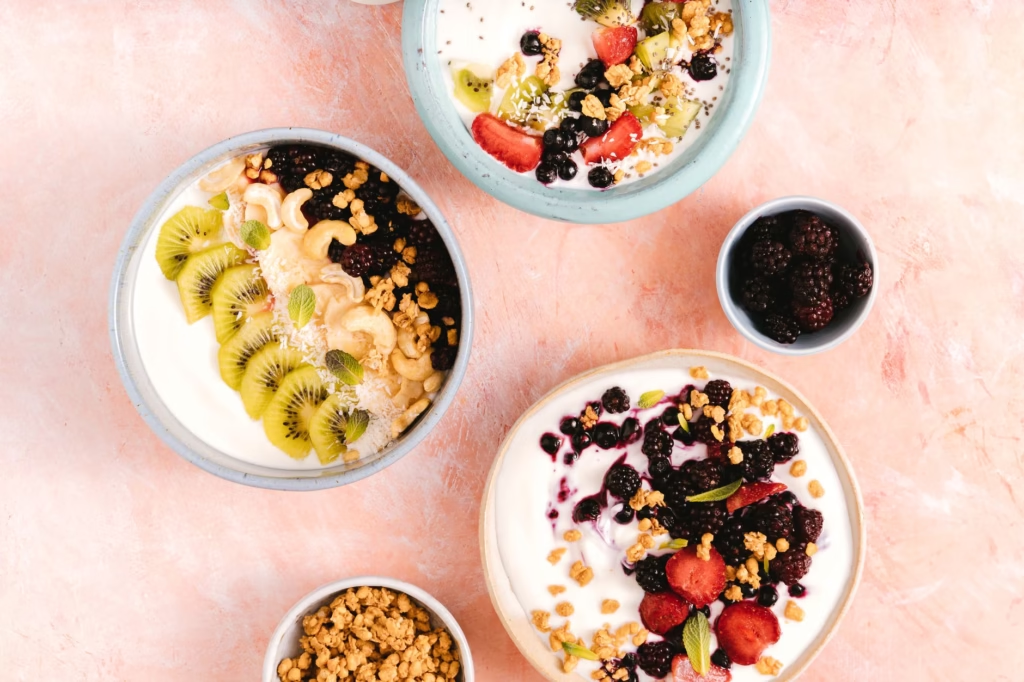
- Yogurt: Rich in probiotics, yogurt is an excellent choice for your gut. Look for “live and active cultures” on the label for the best benefits.
- Kefir: This fermented dairy product is even more probiotic-rich than yogurt. It offers a tangy flavor and works well in smoothies or on its own.
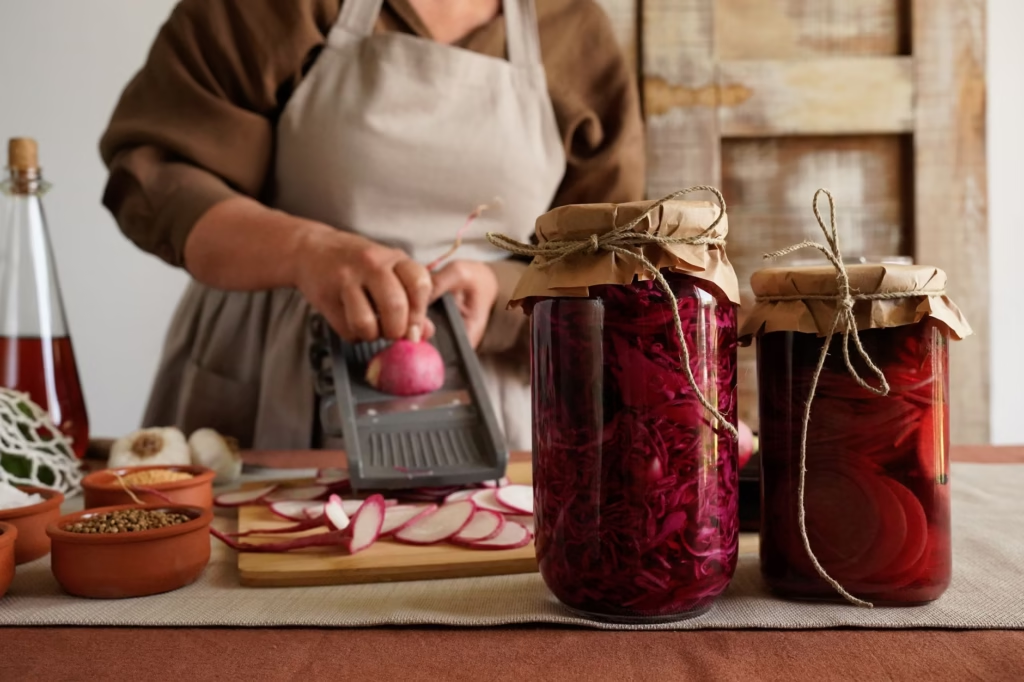
- Sauerkraut: Fermented cabbage that’s packed with probiotics and also adds a zesty flavor to meals.
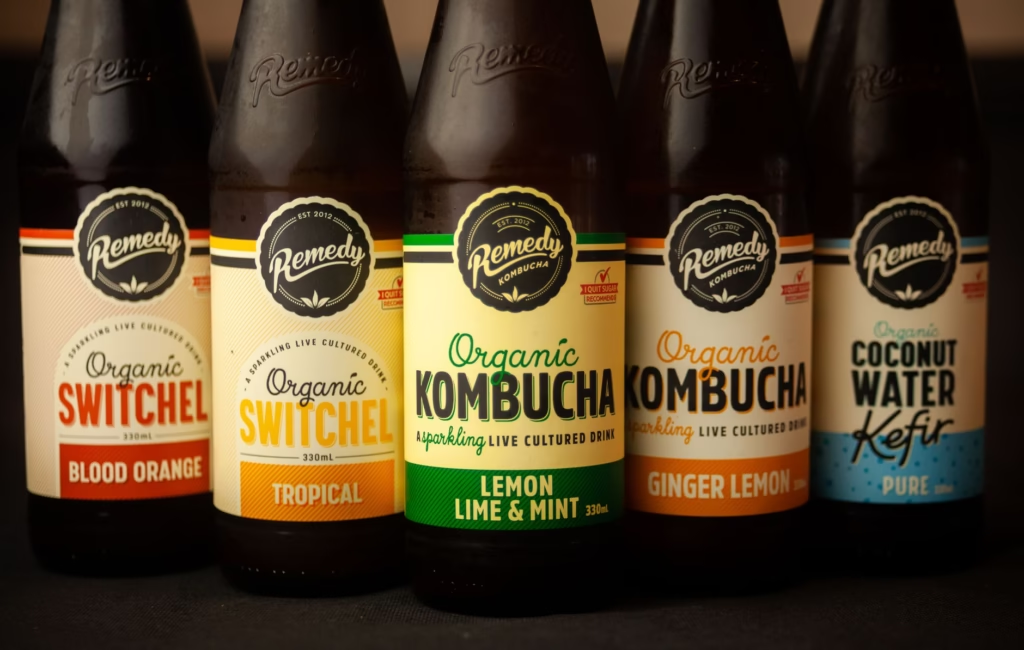
- Kombucha: A bubbly fermented tea with probiotics that many enjoy as a refreshing beverage.
- Miso: A fermented soybean paste used in soups, miso contains probiotics that are good for gut health.
- Tempeh: A fermented soybean product that’s rich in protein and probiotics, making it a great meat substitute.
While these foods are generally good for gut health, everyone’s body might react differently. Therefore, it’s essential to observe how you feel after consuming them.
What Can We Do?
If you’re eager to support your gut health, consider these practical steps:
- Incorporate probiotic-rich foods: Aim to add a variety of the foods mentioned above to your diet regularly.
- Stay hydrated: Drinking plenty of water aids digestion and overall gut functions.
- Limit processed foods: Try to reduce your intake of added sugars and unhealthy fats.
- Manage stress: Consider adopting relaxation techniques such as yoga, meditation, or even just taking relaxing walks.
- Get enough sleep: Aim for 7-9 hours of quality sleep each night to support your overall health.
When Should You See a Doctor?
While digestive issues can be common, it’s essential to know when to seek guidance from a healthcare professional. You should consider consulting a doctor if you experience:
- Severe or persistent pain
- Blood in stool
- Unexplained weight loss
- Persistent vomiting
- Difficulty swallowing
- Fever or significant weakness
These symptoms can indicate underlying conditions that might require medical attention.
Frequently Asked Questions
What are the best probiotic foods for gut health?
Foods like yogurt, kefir, sauerkraut, and kombucha are some of the best sources of probiotics that can enhance gut health.
Why should I consider taking probiotics?
Probiotics can help support a healthy microbiome, which can improve digestion and enhance your immune system.
Can I get probiotics from supplements instead of food?
Yes, probiotic supplements are available, but obtaining them from food is generally recommended for overall nutrition. Always consult a doctor before starting any supplement.
How long does it take to notice improvements with probiotics?
It varies by individual, but some people notice digestive improvements within a few days, while for others, it might take weeks. Consistency is important!
How many probiotic foods should I include in my diet?
Starting with a couple of servings a day and gradually including more can be beneficial. Listen to your body and adjust accordingly.
Can children take probiotics?
Yes, children can benefit from probiotics. However, it’s best to consult a pediatrician for appropriate recommendations.
Can probiotics help with anxiety?
Some research suggests a link between gut health and mood. While probiotics may help, more studies are needed in this area.
Are there any side effects from probiotics?
Most people tolerate probiotics well, but some may experience mild gas or bloating when first starting. If you have concerns, consult a healthcare professional.
What the Research Says About Best Probiotic Foods for Gut Health
Research on probiotics is ongoing, and several systematic reviews highlight their health benefits. According to the National Institutes of Health (NIH), probiotics may be beneficial for treating diarrhea, particularly antibiotic-associated diarrhea. A review published in The American Journal of Clinical Nutrition also supports the use of probiotics for enhancing gut health and digestion.
However, it’s important to note that while many studies find favorable outcomes, some results can differ based on the individual’s health, diet, and specific strains of probiotics. Therefore, while the evidence is promising, it should not be viewed as definitive for everyone.
Simple Daily Habits That May Support Better Gut Health
In addition to adding probiotic foods to your diet, consider small habits that can promote better gut health:
- Eat plenty of fiber: Include whole grains, fruits, and vegetables to nourish good bacteria.
- Practice mindful eating: Slow down and chew thoroughly to aid digestion.
- Engage in regular physical activity: Exercise supports digestion and overall wellness.
- Limit alcohol and avoid smoking: These habits can harm gut health.
Final Thoughts
Incorporating the best probiotic foods for gut health into your daily routine can be a delicious and fulfilling journey! We often overlook how our diet influences our gut, but making small, mindful changes can yield positive results. It’s important for us to consider variety in our diet, as well as lifestyle factors like stress management and sleep quality.
If you notice persistent symptoms or discomfort, remember that a healthcare professional can provide tailored assistance. Our bodies are complex, and understanding them is a journey worth taking. By prioritizing your gut health today, you’re investing in your overall well-being for tomorrow!
Sources and References
National Institutes of Health: Probiotics. Retrieved from https://nccih.nih.gov/health/probiotics/introduction.htm
Mayo Clinic: Probiotics: What They Are and Where to Find Them. Retrieved from https://www.mayoclinic.org/healthy-lifestyle/nutrition-and-healthy-eating/in-depth/probiotics/art-20045167
Cleveland Clinic: What Are Probiotics? Retrieved from https://health.clevelandclinic.org/what-are-probiotics/
Harvard T.H. Chan School of Public Health: Probiotics. Retrieved from https://www.hsph.harvard.edu/nutritionsource/probiotics/
American Gastroenterological Association: Probiotics: Definition and Classification. Retrieved from https://www.gastro.org/news/why-understanding-probiotics-matters
Medical Disclaimer
This article is for general educational and informational purposes only. It is not intended to provide medical advice, diagnosis, or treatment. Health conditions can affect people differently, and information that is appropriate for one person may not be appropriate for another. If you have persistent, severe, or concerning symptoms, speak with a qualified healthcare professional for personalized advice.
Further Reading
Ivf Shot Schedule: 10 Things You Should Know
Omeprazole and Alcohol: Is It Safe to Mix?
what does a growth spurt in pregnancy feel like
Frequently Asked Questions
Can probiotics cause weight gain?
There is no strong evidence that probiotics cause weight gain. In fact, some research suggests a balanced gut microbiome may support a healthy metabolism and weight management efforts.
Should I take probiotics on an empty stomach?
Many experts suggest taking probiotics with a small meal or snack. The presence of food can help buffer stomach acid, which may increase the survival rate of the bacteria as they travel to your gut.
Are homemade fermented foods as good as store-bought?
Homemade fermented foods can be excellent sources of probiotics if prepared safely and correctly. Ensure your environment is clean to prevent the growth of harmful bacteria during the fermentation process.
Do probiotics expire?
Yes, probiotics are live organisms and have a shelf life. Always check the expiration date on your food or supplement packaging to ensure the bacteria are still viable and effective.
The Bottom Line
Prioritizing your gut health through nutrient-dense, probiotic-rich foods is a simple yet powerful way to support your body. By combining these dietary choices with quality sleep and stress management, you can create a foundation for better digestion. Remember to listen to your body and consult a professional if you experience persistent concerns.