Key Takeaways
- Prioritize fiber from whole grains, fruits, and vegetables to feed beneficial gut bacteria.
- Incorporate fermented foods like yogurt and kimchi to introduce helpful probiotics into your diet.
- Limit processed foods, excessive fats, and sugars to maintain a healthy microbial balance.
- Practice mindful eating and manage stress to support smoother digestion and gut comfort.
Best Dinner for Gut Health
If you’re curious about the best dinner for gut health, you’re in good company! Many people are increasingly aware of how food affects their digestion and overall well-being. A dinner that supports gut health might include ingredients that nourish the gut microbiome, the community of good bacteria that live in our intestines. Having a healthy gut can lead to better digestion, improved immune function, and even a brighter mood.
So why is gut health such a big deal? Well, our digestive system plays a crucial role in breaking down food, absorbing nutrients, and eliminating waste. When our gut is happy, we often feel better all around. If you’re struggling with bloating, discomfort, or other digestive issues, you’re probably looking for ways to improve your gut health. The good news is that with a few thoughtful choices, you can create delicious dinners that not only taste great but also keep your gut feeling its best!
What is Gut Health?
Gut health refers to the balance of microorganisms living in our digestive tract. This includes bacteria, fungi, and other tiny life forms. Maintaining a healthy gut is important for digestion and can even impact our mental health, weight, and immune system. When we talk about the best dinner for gut health, we’re focusing on foods that provide nourishment to this gut microbiome, helping to keep those good bacteria thriving!
Some terms related to gut health include:
- Probiotics: Live bacteria found in certain foods that can help balance the gut.
- Prebiotics: Foods that feed the good bacteria in your gut.
- Diversity: Refers to having a wide variety of foods in your diet, which is beneficial for your gut health.
Why Does This Happen?
Gut health can be influenced by various factors. One possible reason your gut may be unhappy could be due to an imbalance of good and bad bacteria, often caused by poor dietary choices or stress. Another common factor is the lack of fiber in our meals. Fiber serves as food for the good bacteria, helping them thrive and perform their essential roles. In some people, food intolerances can also lead to digestive discomfort.
Research suggests that the Western diet, typically high in processed foods and low in whole foods, can negatively impact gut health. This diet often lacks fruits, vegetables, and whole grains that provide the nutrients needed to support our gut flora.
Common Causes
Here are some common factors that can relate to your gut’s health and the types of dinners you might consider:
Poor Diet: A diet high in sugars, fats, and processed foods can harm good bacteria. Instead, aim for whole foods that are high in fiber, such as fruits, vegetables, and whole grains. You might notice that mood and energy levels improve when you switch to a more balanced diet.
Food Intolerances: Some people have difficulties digesting certain foods, like gluten or lactose. If you find that some foods upset your tummy consistently, it might be a good idea to note them and limit their intake or consult with a healthcare professional.
Stress: Emotional well-being affects your digestive system. High stress can lead to digestive issues. Incorporating calming routines and meals that are rich in nutrients may support better gut health.
Signs and Symptoms to Watch For
Common signs that your gut may not be as healthy as it should be include:
- Bloating or gas after meals
- Diarrhea or constipation
- Unexplained fatigue
If you find these symptoms are occasional, it’s perfectly normal! However, if they’re persistent or worsening, it may be a sign to pay attention to your meals or consult a healthcare professional. Recognizing the pattern of your symptoms is key!
What Can Make it Worse?
Several factors can contribute to poor gut health, and here are a few to consider:
- Diet: High sugar and fat content in meals can feed harmful bacteria.
- Eating Habits: Eating too fast or while distracted can lead to poor digestion.
- Hydration: Not drinking enough water can affect digestion. Aim for enough hydration throughout the day!
- Lack of Sleep: Poor sleep habits can negatively affect gut health and your body’s ability to recover.
Foods and Drinks Related to the Topic
Foods that may support gut health include:
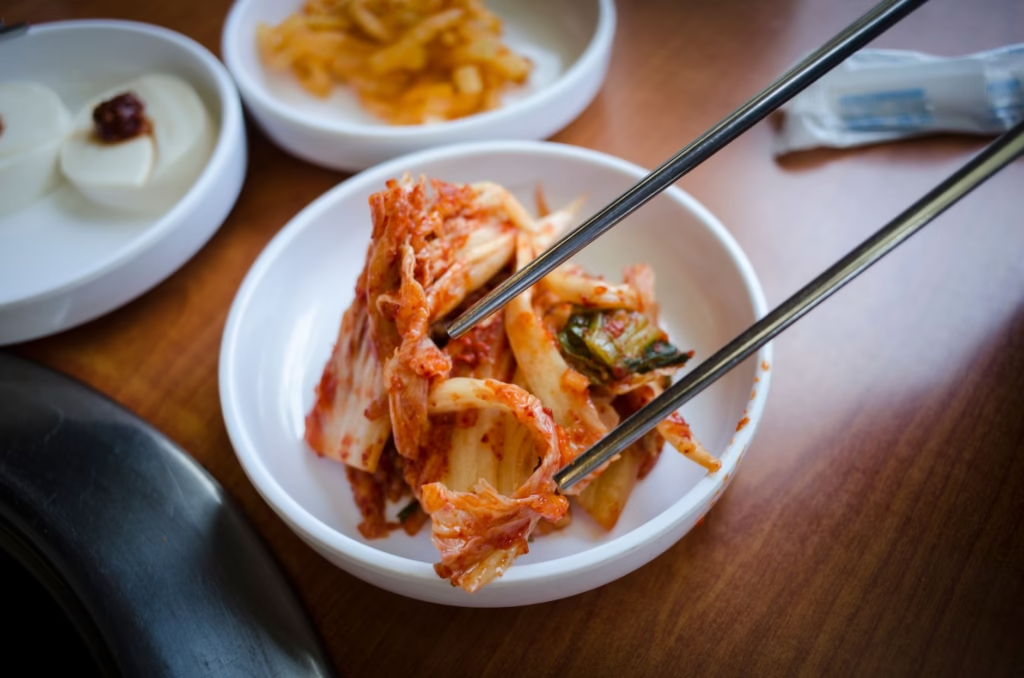
- Fermented Foods: Consider adding yogurt, kimchi, and sauerkraut to your meals. They contain probiotics, which can help balance gut bacteria.
- Whole Grains: Foods like brown rice and quinoa are fantastic sources of fiber.
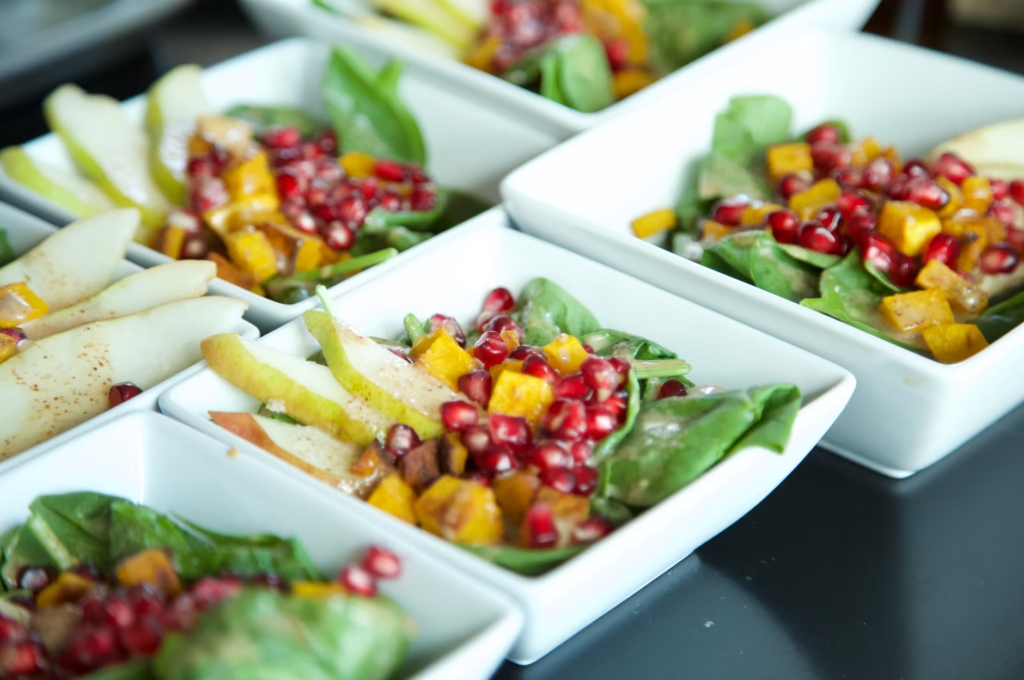
- Fruits and Vegetables: Aim for a variety, especially those rich in fiber, such as berries, bananas, and leafy greens.
- Healthy Fats: Olive oil and avocados can support gut health by reducing inflammation.
It’s important to remember that everyone’s body is different, foods that work for others may not work for you. Listen to your body and adjust as needed!
What Can We Do?
Here are some steps you can consider for creating dinners that support your gut health:
- Plan Your Meals: Think ahead! Planning can help ensure that your meals are nutritious and diverse.
- Cook with Whole Ingredients: Opt for whole, unprocessed foods to enrich your meals.
- Mindful Eating: Take your time when eating; chew thoroughly to aid in digestion.
- Include Probiotics: Incorporate fermented foods into your dinners, like adding a side of kimchi to your meal!
- Stay Hydrated: Don’t forget to drink water during your meals.
When Should You See a Doctor?
If you notice any concerning symptoms, it’s wise to seek professional advice. Red flags can include:
- Severe pain or discomfort
- Changes in bowel habits that last over a week
- Unexplained weight loss
Taking care of our gut health is important, but it’s crucial to seek help if something doesn’t feel right. Trust your body and reach out for professional support when needed!
Frequently Asked Questions
Why am I always thinking about the best dinner for gut health?
It’s natural to want to feel good, and if you’ve had digestive discomfort, you might be searching for solutions. A balanced dinner can really help!
Can food cause issues with gut health?
Yes, specific foods can affect gut health, especially if you have food intolerance or allergies. Keeping track of what helps or hinders your digestion can reveal a lot.
When should I worry about my gut health?
If you frequently experience discomfort like bloating or irregular bowel movements, it might be time to consult a healthcare professional.
What role does fiber play in gut health?
Fiber helps feed good bacteria in the gut and aids digestion. It’s essential to include a variety of high-fiber foods in your diet!
How important are fermented foods?
Fermented foods are very beneficial because they are rich in probiotics, which can support a healthy microbiome.
Is it okay to eat out if I’m trying to improve my gut health?
Absolutely! Just aim for options that include whole ingredients, vegetables, and avoid overly processed or greasy foods when you can.
What types of drinks can support gut health?
Drinks like kefir, kombucha, and herbal teas can support gut health. Just be mindful of added sugars!
Are there any supplements for gut health?
While there are many supplements available, it’s essential to approach them with care. A diet rich in whole foods is often the best first step. Consulting with a healthcare provider can help tailor your needs.
What the Research Says About Best Dinner for Gut Health
Research consistently shows that diets high in fruits, vegetables, whole grains, and fermented foods support gut health. A systematic review published in the American Journal of Clinical Nutrition indicates that dietary fiber can positively affect the gut microbiome by promoting beneficial bacteria (Huang, R. et al., 2021). Observational studies support the idea that those who consume a more diverse diet have healthier gut microbiomes.
Moreover, studies show that the Mediterranean diet, rich in whole foods, can lead to a healthier gut. More research is ongoing, but applying these proven principles at mealtime can offer significant benefits.
Simple Daily Habits That May Support Better Health
In addition to focusing on dinner, try adopting these small, consistent habits:
- Include a variety of colorful veggies in every meal.
- Stay Hydrated!
- Practice stress-relief techniques, like deep breathing or yoga.
- Regular physical activity supports overall gut health.
Final Thoughts
We often underestimate the power of a nourishing meal when it comes to gut health. It’s about more than just avoiding discomfort; it’s about truly caring for our bodies. If you notice that your gut isn’t happy, let’s think about making some tasty changes at dinner time. Incorporating diverse, wholesome ingredients can be part of a delicious journey towards better digestion and overall well-being.
Remember, everyone’s gut is unique, so what works for one person may not for another. If concerns continue, reaching out to a healthcare professional is always a wise choice. Let’s embrace flavorful, gut-friendly dinners together!
Sources and References
Harvard T.H. Chan School of Public Health: The Nutrition Source. Link.
Mayo Clinic: Probiotics: What they are and what they can do. Link.
National Institutes of Health: Diet and Health. Link.
Cleveland Clinic: Gut Health: Why It’s Important and How to Take Care of It. Link.
American Gastroenterological Association: Dietary Fiber: Everything You Need to Know. Link.

Medical Disclaimer
This article is for general educational and informational purposes only. It is not intended to provide medical advice, diagnosis, or treatment. Health conditions can affect people differently, and information that is appropriate for one person may not be appropriate for another. If you have persistent, severe, or concerning symptoms, speak with a qualified healthcare professional for personalized advice.
Further Reading
Ivf Shot Schedule: 10 Things You Should Know
Omeprazole and Alcohol: Is It Safe to Mix?
what does a growth spurt in pregnancy feel like
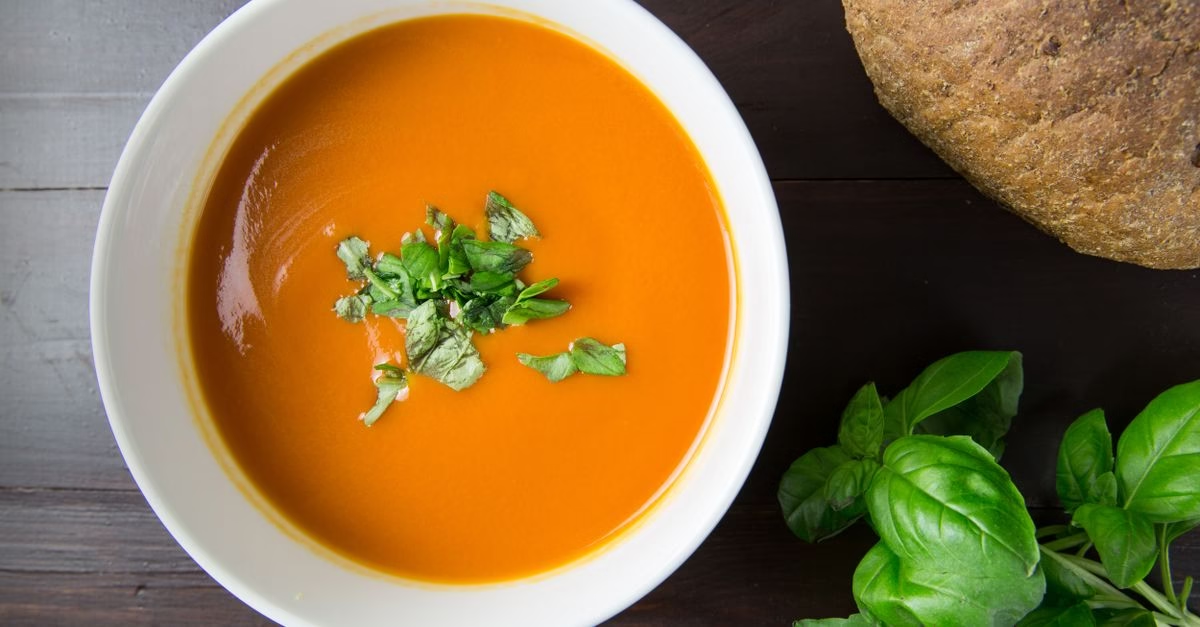
Photo by Foodie Factor on Pexels.
Frequently Asked Questions
Does drinking water with meals help with digestion?
Yes, staying hydrated is essential for digestive health. Water helps break down food so your body can absorb nutrients effectively and keeps stool soft, which prevents constipation.
Can chewing food more slowly improve gut health?
Absolutely. Digestion begins in the mouth, and chewing thoroughly reduces the workload on your stomach and intestines, which can significantly decrease post-meal bloating.
Are frozen vegetables as good as fresh for gut health?
Yes, frozen vegetables are an excellent choice because they are typically picked and frozen at peak ripeness, preserving their fiber and nutrient content for your meals.
How long does it take to notice improvements in gut health?
Changes to your gut microbiome can occur relatively quickly, often within a few days of adjusting your diet. However, consistent long-term habits are necessary for lasting digestive benefits.
The Bottom Line
Prioritizing gut health at dinner is a simple yet powerful way to support your overall wellness. By focusing on fiber-rich whole foods and mindful eating habits, you can create a digestive environment where good bacteria thrive. Remember that your body is unique, so listen to its cues as you explore these delicious, gut-friendly options.