Key Takeaways
- Prioritize fiber-rich foods like fruits, vegetables, and whole grains to support regular digestion.
- Include fermented foods like yogurt and sauerkraut to maintain a healthy balance of gut bacteria.
- Practice mindful eating by slowing down and chewing thoroughly to reduce bloating and digestive discomfort.
- Stay adequately hydrated throughout the day to help your body process food and eliminate waste efficiently.
If you’re searching for the best foods for digestion, you’re likely looking for ways to support your tummy’s efficiency and comfort! We all know that feeling when a heavy meal leaves us slightly regretting our choices. Digestive discomfort can happen to anyone, and it can be caused by different factors, including the foods we eat. Knowing what to eat can help you feel better and keep your digestion on track.
Good digestion is essential for absorbing nutrients from the foods we consume and maintaining overall health. So, what are the best foods for digestion? Let’s dive into that question to help you find practical tips and tasty options that may make your tummy happier. Along the way, we’ll explore what foods might play a role in easing discomfort and helping your gut function better.
What Does This Mean?
The term “best foods for digestion” refers to foods that are known to support healthy digestive processes. Good digestion means your body can break down food properly, absorb nutrients effectively, and eliminate waste without much fuss. But sometimes, we can tweak our diets to make things smoother for our digestive systems. Foods that are high in fiber, probiotic-rich, or easier to digest tend to be highlighted when discussing the best foods for digestion.
To make this information more practical, let’s explore various food types and how they can potentially improve digestion. If you’ve been experiencing discomfort like bloating, constipation, or gas, knowing about the best foods for digestion can be a game-changer for your mealtime choices!
Why Does this Happen?
One possible reason for digestive discomfort might be the types of foods we eat. It’s not unusual for certain foods to be harder to digest, leading to issues like bloating or constipation. Another common factor might be our eating habits, such as eating too fast or not getting enough water throughout the day. Research suggests that a balanced diet rich in fiber and fermented foods can promote better digestion and support gut health.
Common Causes
There are several factors that can affect digestion. Let’s look at some of the common causes:
Dietary Choices: What we eat plays a significant role in how our digestion functions. A diet low in fiber might lead to constipation, while high-fat or spicy foods can sometimes upset the stomach. It’s important to include a variety of foods that support digestion.
Eating Habits: Eating too quickly can lead to swallowing air, which sometimes results in bloating or discomfort. Taking your time to chew your food thoroughly and savor each bite can help ease these symptoms. Practicing mindfulness during meals may also enhance the digestive process.
Hydration: Water is a key player in digestion. Staying properly hydrated is essential for your body to function well, especially when it comes to helping break down food. Dehydration can lead to harder stools and digestive woes.
If you are experiencing ongoing issues with digestion, it might be a good idea to consider discussing them with a healthcare professional. They can provide personalized insights based on your unique needs.
Signs and Symptoms to Watch For
Common symptoms associated with digestive issues can vary. Some signs might include:
- Bloating or gas
- Constipation or diarrhea
- Stomach cramps or discomfort
- Heartburn or acid reflux
While these symptoms might be annoying, they don’t necessarily indicate a serious problem if they come and go occasionally. However, if you notice that these symptoms are persistent or worsening, it might be time to reach out for medical advice.

What Can Make it Worse?
There are several lifestyle and dietary habits that can contribute to digestive discomfort. Here are a few:
- Poor Diet: Diets high in processed foods and sugars may not provide the fiber our bodies need.
- Eating Too Quickly: This can lead to overeating and bloating.
- Low Hydration: Not drinking enough water can lead to hard stools and constipation.
- Stress: High stress levels can affect digestion and gut health.
- Lack of Physical Activity: Regular movement can promote better digestion.
Making some small adjustments to your routine may help ease some of these issues! It’s about finding what works best for your body.
Foods and Drinks Related to the Topic
When it comes to the best foods for digestion, various options might help keep your gut happy:
- High-Fiber Foods: Incorporating fruits, vegetables, and whole grains can support healthy digestion. Foods like berries, broccoli, and oats are fantastic choices!
- Fermented Foods: Probiotics found in yogurt, kefir, and sauerkraut can help balance gut bacteria.
- Ginger and Peppermint: Both can soothe digestive discomfort and may help relieve nausea.
- Bone Broth: This nutrient-rich broth may be soothing and easier on the digestive system.
- Healthy Fats: Olive oil and avocados can aid digestion in moderation.
Remember, everyone’s digestive system is different, and what works for one person might not work for another. Listening to your body and making gradual changes can lead to a happier gut!
What Can We Do?
Making some simple changes can potentially help support your digestion:
- Drink Adequate Water: Aim for at least 8 cups a day to help your digestive system function smoothly.
- Focus on Fiber: Add more fiber-rich foods to your diet to promote regularity and ease of digestion.
- Practice Mindful Eating: Slow down during meals and enjoy your food, which can help with digestion.
- Stay Active: Regular exercise helps keep your digestive system working well.
- Consider Probiotics: Foods or supplements that contain beneficial bacteria may help improve gut health.
These small adjustments may help enhance your digestion over time. Be patient and give yourself time to find what feels best!
When Should You See a Doctor
It’s important to know when to seek professional help. Consider reaching out to a healthcare provider if you experience:
- Severe or persistent pain
- Blood in your stool
- Unexplained weight loss
- Persistent vomiting
- Difficulty swallowing
- Fever alongside digestive issues
- Symptoms becoming worse despite lifestyle changes
These can be warning signs of more serious conditions, and early evaluation is always a good idea.
Frequently Asked Questions
Why am I always bloated?
Bloating can be caused by gas, eating too quickly, or consuming hard-to-digest foods. It’s common, but if it becomes regular or painful, consulting with a healthcare professional may be wise.
Can food really cause digestive problems?
Yes, certain foods can trigger digestive discomfort. Individual reactions can vary, so keeping a food diary could help pinpoint any culprits.
When should I worry about digestive symptoms?
If you notice persistent symptoms that disrupt your daily life or if they worsen, it’s a good idea to speak with a doctor.
What role does fiber play in digestion?
Fiber adds bulk to stool and helps food move smoothly through the intestines. Eating a balanced amount of fiber can aid digestion greatly.
Are probiotics beneficial?
Probiotics can be beneficial for gut health. They help maintain a healthy balance of gut bacteria and can potentially ease digestive discomfort.
Can stress affect digestion?
Absolutely! Stress can disrupt normal digestive function, leading to issues like stomach cramps or diarrhea. Managing stress is an essential part of supporting digestion.
Is it okay to drink coffee for digestion?
Coffee may stimulate digestion for some people, but others might find it irritating. Pay attention to how your body responds!
Do I need to avoid all fats?
No need to eliminate fats completely. Healthy fats can aid digestion. It’s all about balance!
What the Research Says About Best Foods for Digestion
Research consistently points to the benefits of a high-fiber diet for aiding digestion. Studies have shown that fiber can help prevent constipation and promote regular bowel movements (NIH). Furthermore, incorporating probiotics has been linked to improved gut health and may relieve symptoms like irritable bowel syndrome (IBS) (Harvard T.H. Chan School of Public Health). Dietary patterns that include whole, unprocessed foods are often recommended by the American Gastroenterological Association as optimal for digestive health.
While many studies support these claims, some evidence is still emerging. Therefore, it’s a good idea to follow guidelines but remain open to personal experimentation under medical advice.
Simple Daily Habits That May Support Better Health
Adopting some small, healthy habits can contribute to better digestion:
- Regular Meal Times: Eating at the same times each day can create a routine that supports your digestive system.
- Gradually Introduce New Foods: When adding more fiber or new foods, do it slowly to help your digestive system adjust.
- Increase Physical Activity: Aim for at least 30 minutes of moderate exercise most days of the week.
- Limit High-Fat Foods: While healthy fats are important, try to moderate high-fat and greasy foods.
Implementing these habits progressively might help build a foundation for long-term digestive health.
Final Thoughts

Eating the best foods for digestion can really make a difference in how we feel daily. We often underestimate the impact our diet has on our digestive health, but small changes can go a long way. Keeping in mind the importance of hydration, balanced meals rich in fiber, and mindfulness at mealtimes can lead to a happier gut.
If we notice persistent digestive issues or discomfort, it’s essential to consult with a healthcare provider for personalized advice. Remember, every person is unique, and what works well for one may not work for another!
Sources and References
National Institute of Health: Healthy Eating – Dietary Guidelines. Health.gov
Harvard T.H. Chan School of Public Health: The Nutrition Source: Probiotics. Harvard.edu
American Gastroenterological Association: Digestive Health: Diet and Lifestyle Modifications. Gastro.org

Medical Disclaimer
This article is for general educational and informational purposes only. It is not intended to provide medical advice, diagnosis, or treatment. Health conditions can affect people differently, and information that is appropriate for one person may not be appropriate for another. If you have persistent, severe, or concerning symptoms, speak with a qualified healthcare professional for personalized advice.
Further Reading
Ivf Shot Schedule: 10 Things You Should Know
Omeprazole and Alcohol: Is It Safe to Mix?
what does a growth spurt in pregnancy feel like
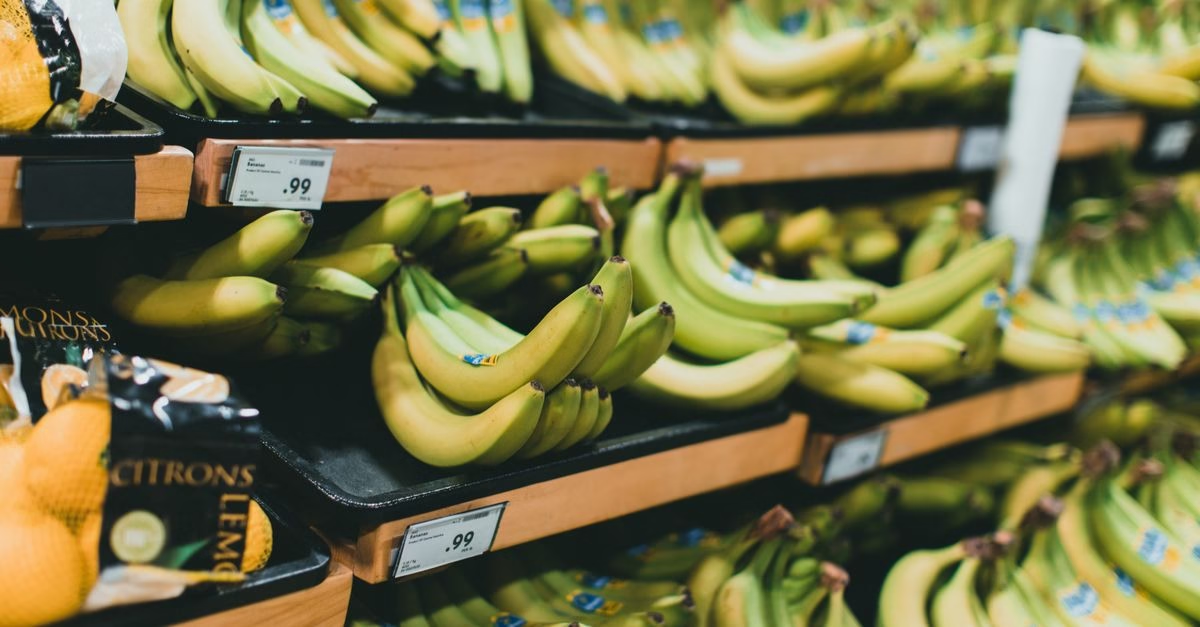
Photo by Jonathan Cooper on Pexels.
Frequently Asked Questions
Does eating late at night affect digestion?
Eating right before bed can sometimes lead to indigestion or acid reflux because your body is trying to digest while lying flat. Try to finish your last meal of the day at least two to three hours before you go to sleep.
Are raw vegetables harder to digest than cooked ones?
For some people, raw vegetables can be tougher on the digestive system due to their high fiber content and cell structure. If you find raw veggies cause bloating, try steaming or roasting them to make them easier to break down.
Can chewing gum lead to digestive issues?
Chewing gum can cause you to swallow excess air, which may contribute to bloating and gas for some individuals. If you notice discomfort after chewing gum, you might want to try limiting it.
How long does it take for dietary changes to improve digestion?
Digestive health changes are often gradual, and it may take a few weeks for your gut microbiome and bowel habits to adjust. Consistency with your new habits is the best way to see long-term benefits.
The Bottom Line
Prioritizing your digestive health is a wonderful way to support your overall well-being. By choosing fiber-rich foods, staying hydrated, and eating mindfully, you can significantly improve your comfort levels. Always listen to your body and reach out to a professional if symptoms become persistent or concerning.