Key Takeaways
- Fiber is an essential nutrient that supports healthy digestion, heart function, and stable blood sugar levels.
- Aim for fruits like raspberries, pears, and avocados to easily boost your daily fiber intake.
- Increase your fiber consumption gradually to allow your digestive system time to adjust comfortably.
- Drink plenty of water when increasing fiber to help it move smoothly through your digestive system.
Best High Fiber Fruits
If you’ve ever found yourself searching for the best high fiber fruits, you’re not alone! Many people are curious about which fruits pack a fiber punch and why fiber is important for our health. Fiber is a type of carbohydrate that our bodies can’t digest, and it plays a crucial role in keeping our digestive system running smoothly. It helps prevent constipation, promotes a feeling of fullness, and can even support heart health. Understanding which fruits are high in fiber can help you choose tasty options that can contribute to your overall wellness.
Not only can incorporating high fiber fruits into your diet support digestive health, but they also provide essential vitamins and minerals. Plus, they can satisfy your sweet cravings in a healthy way! Whether you’re looking to boost your fiber intake or simply want to know more about these fruity heroes, let’s dive into the world of fiber-rich fruits together!
What Are High Fiber Fruits?
High fiber fruits are fruits that contain a significant amount of dietary fiber. Fiber is important because it can help regulate your digestive system, control blood sugar levels, and even lower cholesterol. When we refer to “high fiber,” we generally mean fruits that provide more than 3-4 grams of fiber per serving.
So, what exactly do we mean by fiber? There are two types: soluble and insoluble. Soluble fiber dissolves in water and can help lower cholesterol and stabilize blood sugar. Meanwhile, insoluble fiber doesn’t dissolve and aids in moving things along in your digestive system. Including a mix of both types in your diet is essential for overall health!
Why Should You Eat High Fiber Fruits?
Incorporating high fiber fruits into your diet is a great way to boost your health for several reasons. Eating foods high in fiber helps with digestion, promotes feelings of fullness, and supports heart health by managing cholesterol levels.
One possible reason people may choose to focus on high fiber fruits is to address digestive issues such as constipation. Many people find that increasing their fiber intake can help improve gut health and regularity. Research suggests that fiber acts like a broom, sweeping through your intestines and keeping things moving smoothly. In some cases, a diet low in fiber can lead to various gastrointestinal issues.
Common High Fiber Fruits
Here are some of the best high fiber fruits that can easily fit into your diet:
- Raspberries: A powerhouse of fiber, one cup contains about 8 grams!
- Blackberries: Approximately 7 grams per cup; these berries are delicious in smoothies or on their own.
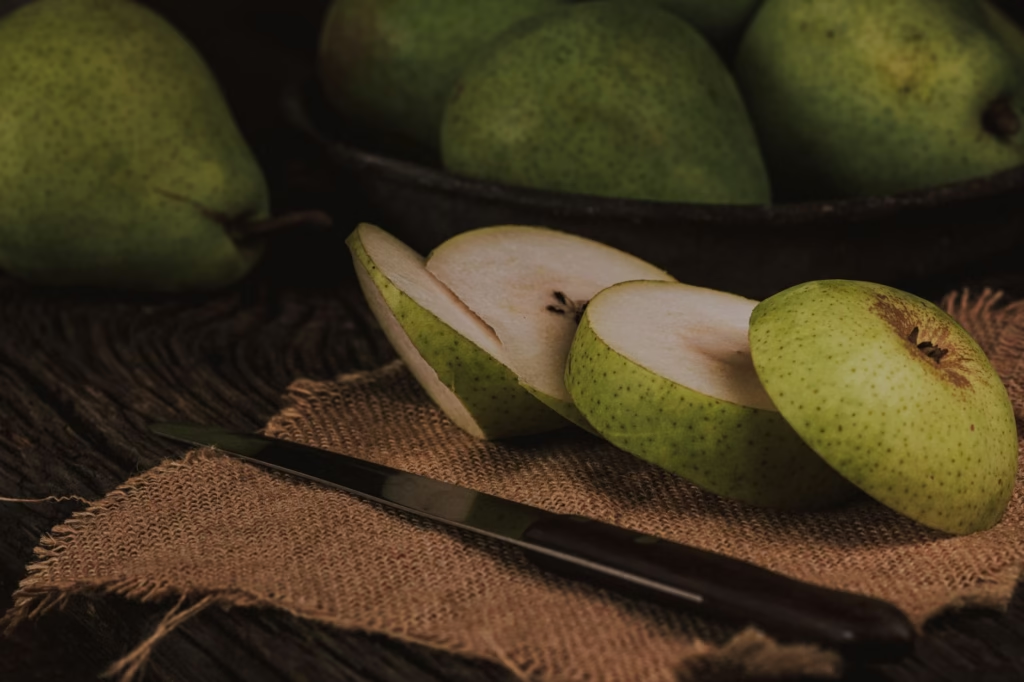
- Pears: A medium pear with skin has around 5-6 grams of fiber. Perfect for snacking!
- Apples: With about 4 grams of fiber, they make a great grab-and-go snack.
- Bananas: These fruits contain about 3 grams of fiber, plus they’re great for energy!
- Oranges: Not only packed with vitamin C, but one orange has around 3-4 grams of fiber.
- Avocados: One avocado has around 10 grams of fiber, making it an excellent addition to various dishes.
Signs and Symptoms of Low Fiber Intake
Not getting enough fiber can lead to some common signs and symptoms. You might notice:
- Constipation: Struggling to have regular bowel movements can be a primary sign of low fiber.
- Frequent hunger: Fiber helps you feel full for longer, so a lack can lead to increased snacking or hunger.
- Digestive discomfort: Some people may experience bloating or gas.
If you’re experiencing these symptoms regularly, it might be time to increase your fiber intake, starting with high fiber fruits is a delicious (and easy) way to begin!
What Can Make It Worse?
Certain lifestyle and dietary habits can contribute to low fiber intake or digestive issues. Here are a few common factors to consider:

- Diet Low in Fruits and Vegetables: Not including enough fruits, vegetables, and whole grains in your diet can lead to insufficient fiber intake.
- Dehydration: Not drinking enough water can make it harder for fiber to do its job, potentially leading to constipation.
- Sedentary Lifestyle: Lack of physical activity can slow down digestion and exacerbate issues with regularity.
Foods and Drinks Related to Low Fiber Intake
To help increase fiber in your diet, try to incorporate a variety of fruits, vegetables, whole grains, and legumes. While fruits like those mentioned above can significantly boost your fiber intake, pairing them with whole grains like oats or brown rice can provide even more benefits. Remember, everyone’s body responds differently to foods; it’s all about finding the right balance for you!
What Can We Do?
If you’re looking to boost your fiber intake through fruits, here are a few tips to consider:
- Add Fruits to Breakfast: Adding fruits like berries or bananas to your cereal or yogurt can kickstart your day with extra fiber.
- Snack Smart: Replace chips or candy with fiber-rich snacks like apple slices or a handful of almonds with raisins.
- Experiment with Smoothies: Blend high fiber fruits such as spinach, avocado, and berries into delicious smoothies for a healthy treat!
- Include Fruits as Desserts: Instead of sugary treats, enjoy a bowl of mixed fruit for a sweet finish to your meal.
When Should You See a Doctor?
While eating more fiber through fruits is generally safe, it’s important to recognize when something might be off. If you experience:
- Severe or persistent abdominal pain
- Blood in your stool
- Unexplained weight loss
- Symptoms that persist despite dietary changes
If any of these symptoms occur, it’s wise to speak with a healthcare professional.
Frequently Asked Questions
Why is fiber important?
Fiber is crucial for digestive health, helps control blood sugar, and can lower cholesterol levels. It’s an important part of a balanced diet!
How much fiber do I need daily?
Adults should aim for about 25 grams of fiber per day for women and 38 grams for men, according to the American Heart Association.
Can eating more fiber cause gas?
Yes, increasing fiber intake suddenly can cause gas and bloating. It’s best to introduce fiber gradually.
Can I eat high fiber fruits on a low-carb diet?
While high fiber fruits contain carbohydrates, they’re also rich in nutrients. Moderation is key, and some low-carb diets allow for small servings of fruits.
Are canned fruits high in fiber?
Canned fruits can be a good option, but check for added sugars and choose those packed in their own juice or water for added health benefits.
Do smoothies maintain their fiber content?
Yes, smoothies made with whole fruits retain their fiber content, making them a great choice for increasing fiber intake!
Is it safe to eat too much fiber?
While fiber is beneficial, extremely high levels can lead to digestive discomfort. It’s best to increase intake gradually.
What’s the best way to eat more fiber?
Incorporate high fiber fruits into your snacks and meals and pair them with vegetables, legumes, and whole grains for a fiber-rich diet.
What the Research Says About High Fiber Fruits
Research supports the numerous health benefits of dietary fiber. A significant body of work indicates that increased fiber intake can lower the risk of heart disease, type 2 diabetes, and certain cancers (Source: Harvard T.H. Chan School of Public Health). Moreover, a study published in the American Journal of Clinical Nutrition found that those who consume higher amounts of fiber, particularly from fruits and vegetables, tend to enjoy better overall health and longevity. That said, much of the research underlines the importance of balancing fiber with a variety of foods for optimal health.
Simple Daily Habits That May Support Better Health
To make fiber a part of your daily routine, consider these easy habits:
- Set a daily fruit goal: Aim to include at least 1-2 servings of high fiber fruits in your daily meals.
- Plan ahead: Keep fruits visible in your kitchen to encourage healthy snacking.
- Experiment: Try new fruits to find those you enjoy and are motivated to incorporate into your meals.
Final Thoughts
Understanding the best high fiber fruits is an excellent step towards improving your overall health. Fruits like raspberries, pears, and avocados not only add fiber but also essential vitamins and flavors to your meals. By incorporating these delicious options, we can help our digestive systems run more smoothly and feel satisfied longer.
Remember to adjust your fiber intake gradually to allow your body to adapt and always stay hydrated. If you notice persistent or concerning symptoms, it’s important to consult a healthcare professional for personalized advice. We hope this guide helps you embrace the high fiber fruit journey, making your meals not only healthier but also tastier!
Sources and References
American Heart Association: Fiber. 2021. https://www.heart.org/en/healthy-living/healthy-eating/eat-smart/nutrition-basics/fiber
Harvard T.H. Chan School of Public Health: The Nutrition Source: Fiber. 2022. https://www.hsph.harvard.edu/nutritionsource/fiber/
NIDDK: Your Digestive System & How It Works. 2021. https://www.niddk.nih.gov/health-information/digestive-diseases/digestive-system-how-it-works
Mayo Clinic: Dietary fiber: Essential for a healthy diet. 2022. https://www.mayoclinic.org/healthy-lifestyle/nutrition-and-healthy-eating/in-depth/dietary-fiber/art-20044268
American Journal of Clinical Nutrition: Dietary fiber intake and risk of cardiovascular disease: a systematic review and meta-analysis. 2021. https://academic.oup.com/ajcn/article/113/5/1197/5902777

Medical Disclaimer
This article is for general educational and informational purposes only. It is not intended to provide medical advice, diagnosis, or treatment. Health conditions can affect people differently, and information that is appropriate for one person may not be appropriate for another. If you have persistent, severe, or concerning symptoms, speak with a qualified healthcare professional for personalized advice.
Further Reading
Ivf Shot Schedule: 10 Things You Should Know
Omeprazole and Alcohol: Is It Safe to Mix?
what does a growth spurt in pregnancy feel like
Frequently Asked Questions
Should I peel my fruit to get more fiber?
It is best to leave the skin on whenever possible. Many fruits, such as apples and pears, store a significant portion of their dietary fiber and beneficial nutrients in their peels.
Can dried fruit help me reach my daily fiber goals?
Dried fruits like prunes, figs, and dates are excellent concentrated sources of fiber. Be mindful of portion sizes, however, as the natural sugar content is more concentrated compared to fresh fruit.
Does cooking fruit reduce its fiber content?
Cooking generally does not destroy the fiber content of fruit. While heat may change the texture or affect certain heat-sensitive vitamins, the fiber remains intact and effective for your digestive health.
How long does it take for fiber to improve digestion?
While you might notice improved regularity within a few days of increasing fiber, it can take a few weeks for your digestive system to fully adapt. Consistency with fiber and hydration is key to seeing lasting results.
The Bottom Line
Adding high fiber fruits to your daily routine is a simple and delicious way to support your long-term health. By choosing a variety of colorful options like berries and pears, you can improve digestion and manage your energy levels naturally. Remember to increase your intake slowly and stay hydrated to ensure your body feels its best. Small, consistent changes to your diet can lead to significant wellness benefits over time.