Key Takeaways
- Probiotics are live beneficial bacteria found in fermented foods and supplements.
- Prebiotics are indigestible fibers that act as fuel for your gut's healthy bacteria.
- A balanced gut supports digestion, immunity, and mood regulation for better health.
- Lifestyle factors like diet, stress, and hydration play a major role in gut balance.
If you’ve been diving into the world of gut health, you might have come across the terms **probiotics vs prebiotics**. Both are buzzwords these days, but what do they really mean? Understanding the differences can help you make better choices for your digestive health and overall well-being. This article will break down what probiotics and prebiotics are, how they interact within your body, and why you should care.
Perhaps you’re feeling a bit bloated or sluggish, and you want to know if adding these to your diet could help. Or maybe you’re just curious about how these two elements function differently. No worries! We’ll explore everything in a simple way, so you can get the lowdown on probiotics and prebiotics without feeling overwhelmed. Let’s get started!
What Are Probiotics and Prebiotics?
Understanding the Basics
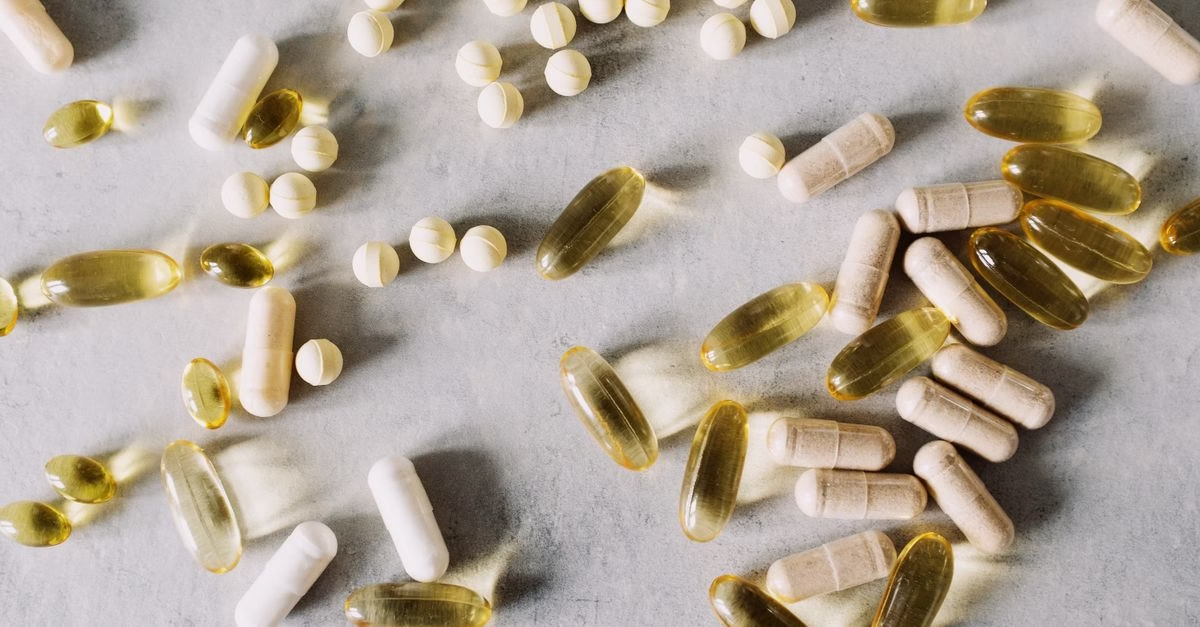
Probiotics are live bacteria and yeasts that are beneficial for our health, particularly our digestive system. You can find them in fermented foods like yogurt, sauerkraut, and kombucha, as well as in dietary supplements. By adding these friendly microbes to your gut, you’re essentially supporting the good bacteria that naturally reside there, helping to maintain a balanced digestive system.
On the other hand, prebiotics are a type of fiber that your body cannot digest. Instead of being absorbed, they serve as food for your gut’s good bacteria. Think of prebiotics as the fuel that helps probiotics thrive. You can find prebiotics in foods like bananas, onions, garlic, and asparagus. Both probiotics and prebiotics play important roles in gut health, but they work in different ways.
Why Is This Important?
Maintaining a healthy gut is essential because it can affect various aspects of our health, including digestion, immunity, and even mood. Many people wonder whether they should focus on taking probiotics, prebiotics, or both to improve their gut health. The answer isn’t one-size-fits-all, but understanding their differences is a great place to start!
Common Causes of Gut Imbalance
Several factors can disrupt the balance of good bacteria in our guts, which impacts both probiotics and prebiotics. Here are a few common causes:
Dietary Choices
What you eat can significantly influence your gut health. Diets low in fiber and high in processed foods may lead to an imbalance in gut bacteria. In some people, this might result in digestive issues or discomfort.
Antibiotics and Medications
While antibiotics are necessary for treating infections, they can also wipe out both good and bad bacteria in your gut. After taking antibiotics, some people may benefit from consuming probiotics to help restore the balance. Always check with your doctor before starting any supplements after medication.
Stress
Believe it or not, stress can negatively affect your gut health as well. Chronic stress may lead to digestive issues, impacting the good bacteria in your system. Some people find that practicing mindfulness or relaxation techniques can help support gut health during stressful times.
Signs and Symptoms to Watch For
When it comes to gut health, it’s essential to recognize the signs that something might be off. Here are some common symptoms:
- Bloating or gas: This may indicate an imbalance in gut bacteria.
- Irregular bowel movements: Experiencing constipation or diarrhea can be a sign you need to adjust your fiber intake.
- Frequent infections: A weak immune system may be linked to poor gut health, as a significant portion of your immune system resides in your gut.
If you find that any of these symptoms are persistent, or if you experience severe symptoms, it’s best to consult a healthcare professional for personalized advice.
What Can Make It Worse?
Several lifestyle factors can worsen gut health:
Poor Dietary Habits
High-sugar diets and excessive processed foods can lead to an imbalance in gut bacteria. Opting for a balanced diet rich in fruits, vegetables, and whole grains can help promote a healthier gut.
Insufficient Hydration
Adequate hydration is crucial for digestion. Water helps dissolve nutrients and fiber, making it easier for your body to absorb them. Skipping out on hydration can lead to digestive issues.
Lack of Physical Activity
Regular exercise not only supports overall health but can also support a healthy gut. Engaging in physical activity helps promote regular bowel movements, which can assist in maintaining gut balance.
Foods and Drinks Related to Probiotics and Prebiotics
Making smart choices in your diet can support your gut health:
Foods Rich in Probiotics
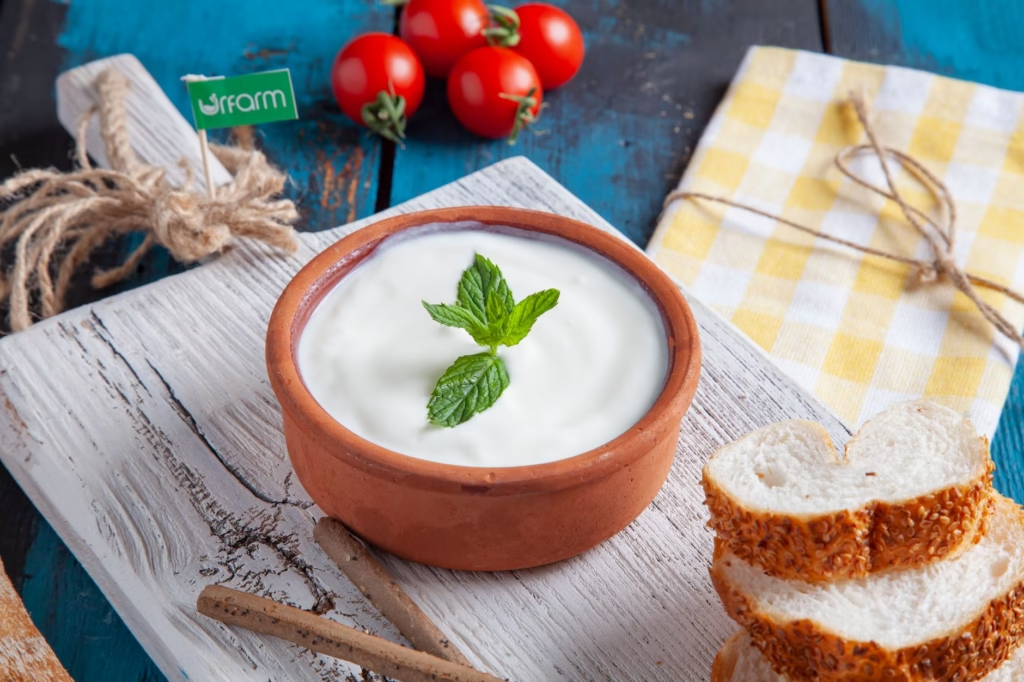
- Yogurt: Look for varieties that contain live active cultures.
- Kefir: This fermented milk drink is a great source of probiotics.
- Fermented vegetables: Options like kimchi and sauerkraut can add beneficial bacteria to your gut.
Foods Rich in Prebiotics
- Bananas: A great source of fiber and prebiotics.
- Garlic: Not only adds flavor, but also supports gut health.
- Oats: Packed with dietary fiber that serves as prebiotics.
What Can We Do?
Here are some practical tips to support gut health through the use of probiotics and prebiotics:
- Incorporate more fiber: Aim to include a variety of fiber-rich foods in your diet to nourish your gut bacteria.
- Explore fermented foods: Try adding a serving of yogurt, sauerkraut, or kefir to your meals.
- Stay hydrating: Aim for at least 8 cups (about 2 liters) of water daily to support healthy digestion.
Remember, these changes may help support gut health, but they are not guaranteed solutions. It’s important to listen to your body and adjust your diet accordingly.
When Should You See a Doctor?
Most people may experience occasional digestive issues, but certain signs indicate that it might be time to see a healthcare professional:
- Severe or persistent abdominal pain
- Blood in your stool
- Unexplained weight loss
- Persistent vomiting or nausea
- Difficulty swallowing
- Symptoms that do not improve with home changes
If you experience any of these warning signs, it’s best to seek advice from a healthcare provider.
Frequently Asked Questions
Why should I consider probiotics?
Probiotics may help to restore the balance of good bacteria in your gut, which can improve digestion and overall health.
Do prebiotics and probiotics work together?
Yes! Probiotics thrive on prebiotics, meaning that consuming both can promote better gut health.
Can diet cause digestive issues?
Absolutely. A poor diet, high in processed foods and low in fiber, can lead to digestive issues like bloating and constipation.
How long does it take for probiotics to work?
Some people may notice positive changes within a few days; others may take several weeks to feel the effects.
Are there any side effects from taking probiotics?
While most people tolerate probiotics well, some may experience mild gastrointestinal upset. It’s best to consult a healthcare provider if you’re unsure.
Should I take prebiotic supplements?
While getting prebiotics from food is ideal, supplements can be helpful for some people. It’s best to consult your healthcare provider before starting any new supplement.
Are fermented foods safe?
Yes, for most people, fermented foods are safe and usually beneficial. However, if you have specific dietary restrictions or health concerns, speak with a healthcare professional.
When should I worry about gut health?
If you notice chronic digestive issues, significant changes in weight, or other concerning symptoms, consulting a healthcare professional is advisable.
What the Research Says About Probiotics vs Prebiotics
Research consistently shows a link between gut health and overall wellness. A systematic review published in *Nutrients* found that both probiotics and prebiotics can have a positive impact on gut health and can help relieve symptoms of digestive disorders (NIDDK, 2020). Another study in the *Journal of Human Nutrition and Dietetics* indicated that a diet high in prebiotics helps improve gut microbiota (Harvard T.H. Chan School of Public Health, 2018).
However, while there is solid evidence supporting their benefits, results can vary from person to person. More large-scale studies are needed to fully understand the long-term effects and potential applications of probiotics and prebiotics for everyone.
Simple Daily Habits That May Support Better Health
To help maintain a healthy gut, consider these daily habits:
- Eat a variety of fruits and vegetables: Aim for a colorful plate to ensure a range of nutrients and fibers.
- Limit processed foods: Try to minimize foods high in sugar and unhealthy fats.
- Stay active: Engage in regular exercise to boost overall health.
Little changes can make a big difference in how you feel, so take it one step at a time!
Final Thoughts
Understanding the differences between probiotics and prebiotics can be empowering when it comes to taking control of our gut health. We often find that a balanced diet, regular exercise, and staying hydrated can help our digestive systems function at their best. Remember, each individual’s response to dietary changes can differ, so it’s important to listen to your body. If we notice persistent symptoms that concern us, there’s no substitute for reaching out to a healthcare professional for guidance. After all, our health is our greatest wealth!

Sources and References
National Institute of Diabetes and Digestive and Kidney Diseases: “Probiotics and Prebiotics.” 2020.
https://www.niddk.nih.gov
Harvard T.H. Chan School of Public Health: “The Nutrition Source – Probiotics.” 2018.
https://www.hsph.harvard.edu/nutritionsource/probiotics/
Mayo Clinic: “Probiotics: What You Need to Know.” 2022.
https://www.mayoclinic.org/health-information/faq-20058349
Cleveland Clinic: “Dietary Fiber: What Is It and Why Is It Important?” 2023.
https://health.clevelandclinic.org/dietary-fiber-101/
American Gastroenterological Association: “Gut Microbiota in Health and Disease.” 2022.
https://www.gastro.org/guidelines/gut-microbiota
Medical Disclaimer
This article is for general educational and informational purposes only. It is not intended to provide medical advice, diagnosis, or treatment. Health conditions can affect people differently, and information that is appropriate for one person may not be appropriate for another. If you have persistent, severe, or concerning symptoms, speak with a qualified healthcare professional for personalized advice.
Further Reading
Ivf Shot Schedule: 10 Things You Should Know
Omeprazole and Alcohol: Is It Safe to Mix?
what does a growth spurt in pregnancy feel like
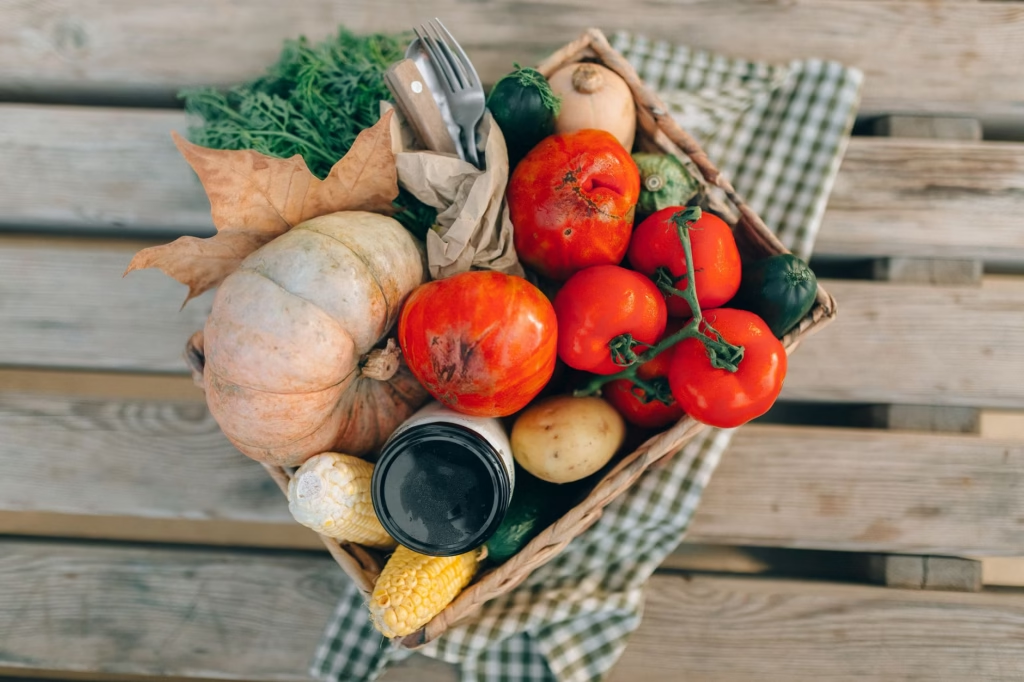
Photo by ready made on Pexels.