Key Takeaways
- Fruits like apples and bananas contain fiber and prebiotics that nourish beneficial gut bacteria.
- A balanced microbiome supports digestion, immune function, and overall mood health.
- Processed foods, high sugar intake, and chronic stress can negatively alter your gut environment.
- Simple lifestyle changes like staying hydrated and eating diverse fruits can improve digestive comfort.
If you’ve been feeling off in your tummy, perhaps bloated, uncomfortable, or just not right, you might be wondering what’s going on. That’s where the topic of “best fruits for gut health” comes into play! Gut health is all about keeping your digestive system happy and functioning well, and certain fruits can play a major role in that balance. You might be searching for this information because you’re looking for natural ways to improve your digestion, prevent discomfort, or just enhance your overall well-being.
Many people might be surprised to learn that what we eat can significantly affect our gut health. A healthy gut can help with digestion, absorption of nutrients, and even your mood! If you’re ready to explore the best fruits for gut health, you’re in the right place. In this article, we’ll dive into how these fruits can help, and why they are important for your tummy’s happiness!
What Does Gut Health Mean?
Gut health refers to the balance and functionality of the bacteria in your digestive system. Your gut is home to trillions of microorganisms, some of which play key roles in digestion, immune function, and protecting against harmful bacteria. Maintaining a healthy gut can contribute to overall well-being. Think of your gut as a garden, it thrives best when it’s planted with good stuff!
When discussing gut health, you often hear about prebiotics and probiotics. Prebiotics are types of fiber that feed your good gut bacteria, while probiotics are beneficial bacteria themselves found in foods or supplements. Eating fruits high in fiber can help with gut health because they can act as prebiotics.
Why is Gut Health Important?
One possible reason gut health is essential is that it helps with digestion and nutrient absorption. A happy gut can lead to regular bowel movements, reduced bloating, and better overall nutrient values from the foods you eat. Research suggests that an imbalance of gut bacteria may be linked to various health issues, including digestive disorders, allergies, and even mood problems.
Another common factor is inflammation in the gut, which can occur due to an unhealthy diet or stress. In some individuals, this can also lead to conditions like irritable bowel syndrome (IBS). It’s important to support your gut, especially if you’re experiencing any of these concerns.
Best Fruits for Gut Health
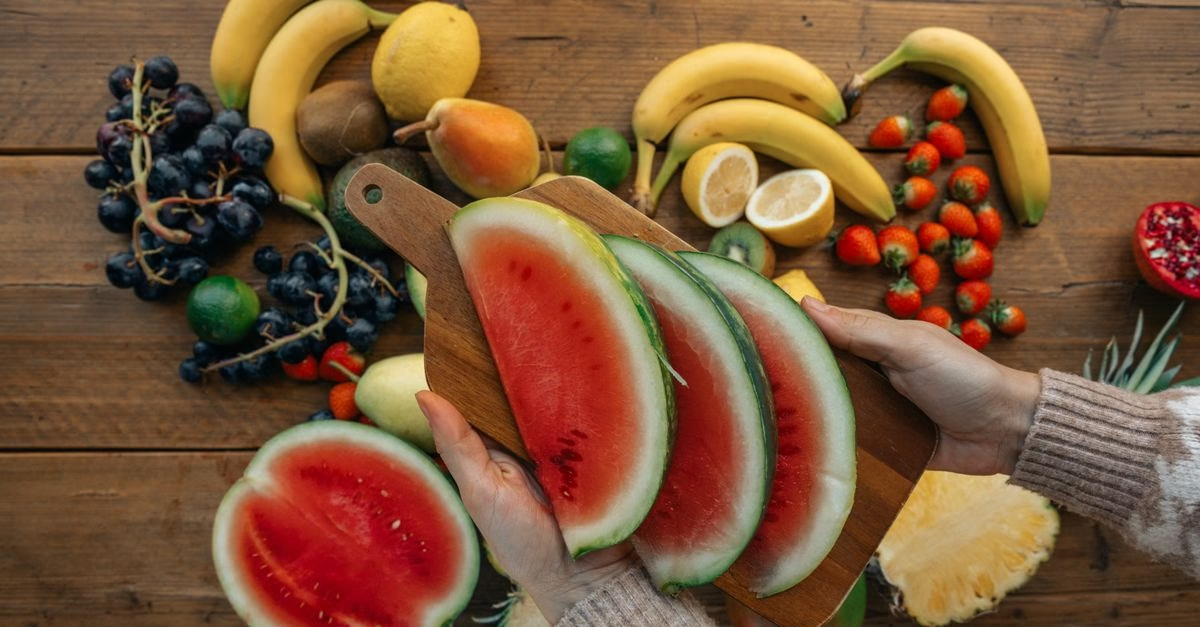
When it comes to fruits, nature has provided plenty of delicious options that can support gut health. Here’s a rundown of some of the best fruits to consider:
- Bananas: They’re packed with fiber, which helps stimulate the digestive tract. Plus, they contain a special type of fiber called inulin, which acts as a prebiotic!
- Apples: High in fiber and polyphenols, apples can support digestive health and contribute to a balanced gut microbiome.
- Berries: Blueberries, raspberries, and strawberries are loaded with antioxidants and fiber, which are beneficial for gut health.
- Pears: These fiber-rich fruits are great for digestion and can help keep you feeling full.
- Kiwi: This fruity powerhouse is known for its high fiber content and digestive enzymes that may aid in digestion.
These fruits not only bring a sweet delight to your meals but also provide nutrients that can boost your gut health!
What Can Make Gut Health Worse?
There are various lifestyle factors that may contribute to an unhappy gut. One common issue is an unhealthy diet low in fruits and veggies. Eating too much processed food, sugar, and unhealthy fats can negatively impact your gut bacteria. Another factor can be a lack of hydration; not drinking enough water can affect the digestive process.
Stress is another sneaky culprit. High stress levels can upset the balance of the gut microbiome. If you’re not getting regular exercise or sleep, that can also put strain on your gut health. Paying attention to these areas can help keep your gut feeling good.
Signs and Symptoms to Watch For
Some common signs of gut imbalance can include occasional bloating, gas, and changes in bowel habits. While these symptoms can be annoying, remember that everyone experiences them from time to time. However, if you notice consistent discomfort or significant changes in your digestion, it may be time to consult a healthcare professional.
Look out for more severe warning signs as well, such as:
- Severe or persistent abdominal pain
- Blood in your stool
- Unexplained weight loss
If you experience any of these red flags, it’s wise to seek medical advice.
What Can We Do? Practical Steps for Gut Health
Here are some practical steps that may help you support your gut health:
- Include a variety of fruits: Aim to eat different types of fruits to maximize the benefits of diverse nutrients.
- Stay Hydrated: Drinking enough water can help your body digest food better.
- Practice mindful eating: Take your time while eating, and pay attention to hunger cues to support digestion.
- Get moving: Regular exercise can improve gut motility and support a healthy microbiome.
Remember, these are tips that can support gut health in general! Always consider personal preferences and any dietary restrictions.
When Should You See a Doctor?
If you notice any persistent red flags mentioned earlier, like severe pain or blood in the stool, don’t hesitate to consult with a healthcare professional. They can provide guidance tailored to your individual situation.
Frequently Asked Questions
Why am I always having digestive issues?
Digestive issues can arise for numerous reasons, including diet, stress, and food intolerances. Consult with a healthcare professional to narrow it down.
Can food cause digestive problems?
Yes, certain foods, especially those high in sugar and processed ingredients, can upset your gut health. Keeping a food diary might help you identify any culprits!
Is it normal to have gas?
Occasional gas is a normal bodily function, but frequent or painful gas may require attention, especially if accompanied by other symptoms.
How do I know if my gut is healthy?
A healthy gut typically means regular bowel movements, minimal bloating, and an absence of pain. If you feel discomfort often, that may be a sign to look deeper.
Are probiotics necessary for gut health?
While probiotics can be helpful, not everyone needs them. Many people can maintain a healthy gut through a balanced diet rich in fruits and vegetables.
How does stress affect gut health?
Stress can lead to gut imbalances by affecting digestion and gut bacteria, making it important to manage your stress levels.
What fruits should I avoid for gut health?
Some people may need to limit certain fruits due to intolerances (like bananas if you have a latex allergy). It’s best to listen to your body and consult if unsure.
Can eating more fiber improve my gut health?
Yes! Foods high in fiber, especially fruits, can help support a healthy gut environment by feeding beneficial bacteria.
What the Research Says About Best Fruits for Gut Health
Studies show that fruits high in fiber and polyphenols can positively influence gut health. For example, a review published in the journal Nutrients highlighted that consuming fiber-rich foods like fruits contributes to a more diverse and balanced gut microbiome. Moreover, a study from Frontiers in Microbiology found that the prebiotic content in fruits, especially apples and bananas, helps enhance the growth of beneficial gut bacteria. Research indicates that these dietary choices can support not only digestion but also mood and overall health.
Simple Daily Habits That May Support Gut Health
Small, daily habits can make a big difference in supporting your gut health. Here are some simple actions we can work to include in our routines:
- Eat a daily serving of fruits: Aim to incorporate those mentioned above into your meals or snacks.
- Stay active: Even just a daily walk can enhance blood circulation and digestion.
- Get adequate sleep: Sleeping well can reduce stress and help maintain a healthy gut.
By nurturing these habits, we may see profound benefits over time!
Final Thoughts
In conclusion, caring for our gut health can lead to a happier tummy and improve our overall well-being. The best fruits for gut health, like bananas, apples, and berries, are excellent choices to include in our diets. Remember to stay hydrated, manage stress, and maintain a balanced lifestyle!
Let’s make an effort to listen to our bodies. If we notice persistent issues or any concerning signs, it’s essential to talk with a healthcare professional. Together, we can keep our gut health in tip-top shape!

Sources and References
National Institutes of Health: Nutrition and Gut Health. https://www.nih.gov
Mayo Clinic: Gut Health: Importance and Recommendations. https://www.mayoclinic.org
Cleveland Clinic: Digestive Health. https://my.clevelandclinic.org
Harvard T.H. Chan School of Public Health: Fruits and Vegetables: Health Benefits. https://www.hsph.harvard.edu

Medical Disclaimer
This article is for general educational and informational purposes only. It is not intended to provide medical advice, diagnosis, or treatment. Health conditions can affect people differently, and information that is appropriate for one person may not be appropriate for another. If you have persistent, severe, or concerning symptoms, speak with a qualified healthcare professional for personalized advice.
Further Reading
Ivf Shot Schedule: 10 Things You Should Know
Omeprazole and Alcohol: Is It Safe to Mix?
what does a growth spurt in pregnancy feel like
Photo by Viktoria Slowikowska on Pexels.
Frequently Asked Questions
Should I peel my fruits to help my gut?
Many fruits store a significant portion of their fiber and beneficial polyphenols in their skin. Unless you have specific digestive sensitivities, eating the peel can provide extra nutritional benefits for your microbiome.
Does eating fruit at night cause bloating?
For most people, fruit is fine at any time of day. However, if you notice bloating after evening fruit, try eating your fruit earlier in the day to allow your body more time to digest the fiber before sleep.
Are dried fruits as good for gut health as fresh fruits?
Dried fruits are concentrated sources of fiber, but they also contain high levels of sugar. Stick to smaller portions and choose unsweetened varieties to avoid potential digestive irritation.
Can fruit juices provide the same gut benefits?
Fruit juices usually lack the fiber found in whole fruits, which is essential for feeding good gut bacteria. It is always better to choose whole fruit to get the full prebiotic benefit.
The Bottom Line
Prioritizing your gut health is a wonderful way to support your overall wellness. By incorporating a variety of fiber-rich fruits and maintaining healthy habits, you can encourage a happy and thriving digestive system. Listen to your body and reach out to a professional if you experience persistent concerns.