Key Takeaways
- Fiber adds bulk to stool, helping to prevent constipation and promote regular bowel movements.
- Gradually increase your daily fiber intake to avoid uncomfortable gas and bloating.
- Pair your high-fiber diet with plenty of water to ensure fiber works effectively.
- Whole foods like fruits, vegetables, beans, and grains are the best sources of fiber.
Best High Fiber Foods for Constipation
When searching for the Best high fiber foods for constipation, you’re not alone, many people face this uncomfortable issue at some point in their lives. Constipation can feel frustrating and often indicates that our digestive system needs a bit of support. Fiber plays a crucial role in keeping our digestion running smoothly, and finding the best sources of fiber can help ease constipation and promote regular bowel movements.
As you read through this article, we’ll explore what high fiber foods are, why they’re important, and the specific foods you might incorporate into your diet. Fiber comes in two main types: soluble and insoluble. Each type offers unique benefits, especially when it comes to digestion. By the end, you’ll have a better understanding of how to increase your fiber intake in a delicious and practical way!
What Does This Mean?
High fiber foods are those rich in carbohydrate material that the body cannot digest. While our bodies absorb many nutrients from foods, fiber passes through our digestive system largely intact. This bulk helps to soften stools and promote regularity, making it an important dietary component for preventing constipation.
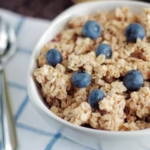
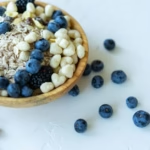
Your body needs both soluble and insoluble fibers. Soluble fiber can help to soften the stool and is found in foods like oats and beans, while insoluble fiber adds bulk to your stool, aiding movement through your gut and is found in whole grains and most vegetables. Increasing your fiber intake should be done gradually, as a sudden increase can cause bloating and gas.
Why Does This Happen?
There are various reasons why someone might experience constipation. For many people, it relates to lifestyle factors such as diet, hydration, and physical activity. Here are some common reasons:
- Dietary Choices: A diet low in fiber can lead to hard stools and difficulty during bowel movements. Processed foods, which are often lacking in fiber, may contribute to this issue.
- Hydration Levels: Not drinking enough water can result in harder stools that are more difficult to pass. Fiber works best when paired with adequate hydration.
- Physical Inactivity: Regular exercise helps stimulate the digestive system. A lack of movement can slow down digestion and lead to constipation.
- Changes in Routine: Traveling, stress, or significant lifestyle changes can disrupt your regular bowel patterns.
Common Causes
Understanding the causes of constipation can help you make better choices about the foods you eat. Here are some common factors:
Lack of Fiber: One of the primary reasons people struggle with constipation is inadequate fiber intake. Not eating enough fruits, vegetables, nuts, and grains can lead to a sluggish digestive system. Aim to incorporate a variety of fiber-rich foods each day.
Dehydration: Not drinking enough fluids can harden stools, making them tough to pass. Remember, fiber absorbs water in your intestines, so staying hydrated is essential for its effectiveness.
Inactivity: Physical activity is important for digestive health. Regular movement can promote bowel regularity, so try incorporating some exercise into your routine each week.
Medications: Some medications, like certain pain relievers and antidepressants, can slow down your digestive system, leading to constipation. If you suspect a medication might be contributing, it’s a good idea to consult with a healthcare professional.
Signs and Symptoms to Watch For
Constipation can manifest in various ways. Here are the common symptoms:
- Infrequent Bowel Movements: Having fewer than three bowel movements a week is often considered constipation.
- Difficulty Passing Stools: Straining during bowel movements or feeling like you can’t completely empty your bowels.
- Hard or Lumpy Stools: Consistently experiencing hard stools can signal a need for more fiber.
- Abdominal Discomfort: Feeling bloated or having abdominal pain can accompany constipation.
While occasional constipation is common and usually not serious, if you experience persistent or severe symptoms, it’s important to reach out to a healthcare professional.
What Can Make it Worse?
Several lifestyle habits may worsen constipation. Here are some to be mindful of:
- Poor Diet: Consuming too many processed foods and not enough fruits, vegetables, legumes, and whole grains.
- Inadequate Fluid Intake: Not drinking enough water can thicken the stool.
- Stress and Anxiety: Emotional factors can affect digestion for some people.
- Skipping Meals or Irregular Eating Habits: Going long periods without eating can slow down your metabolism and lead to irregular bowel movements.
- Ignoring the Urge to Go: Holding it in when nature calls can lead to constipation. On occasion, it may be necessary but making a habit of it can create issues.
Foods and Drinks Related to the Topic
Choosing the right foods is vital for boosting your fiber intake. Here are some of the best high fiber foods to consider:
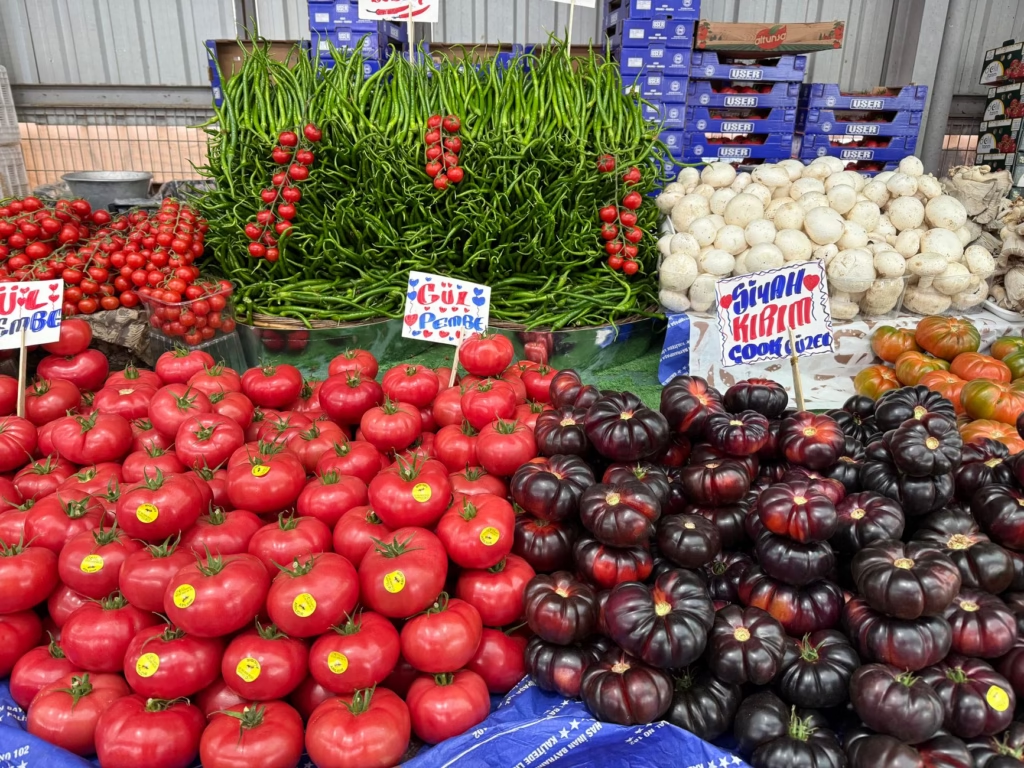
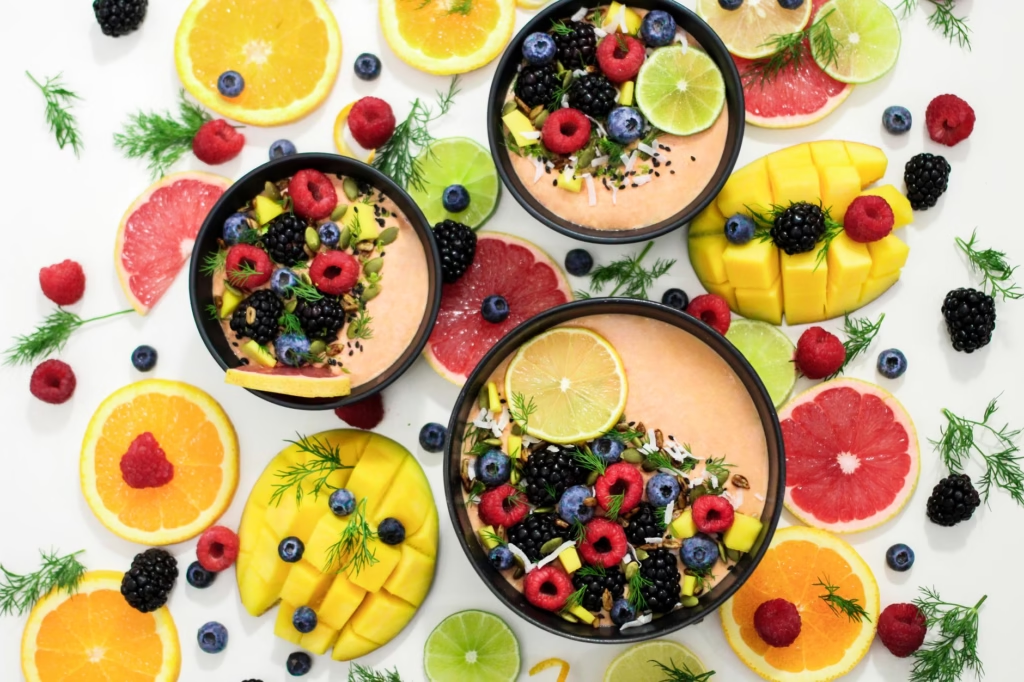
- Fruits: Apples, pears, raspberries, and bananas are excellent options. The skins of many fruits are rich in fiber, so eat them whole whenever possible.
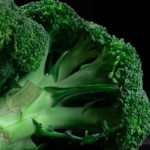
- Vegetables: Broccoli, carrots, Brussels sprouts, and leafy greens like spinach provide significant fiber to your diet.
- Whole Grains: Oats, quinoa, barley, and brown rice are packed with fiber and can be incorporated into meals easily.
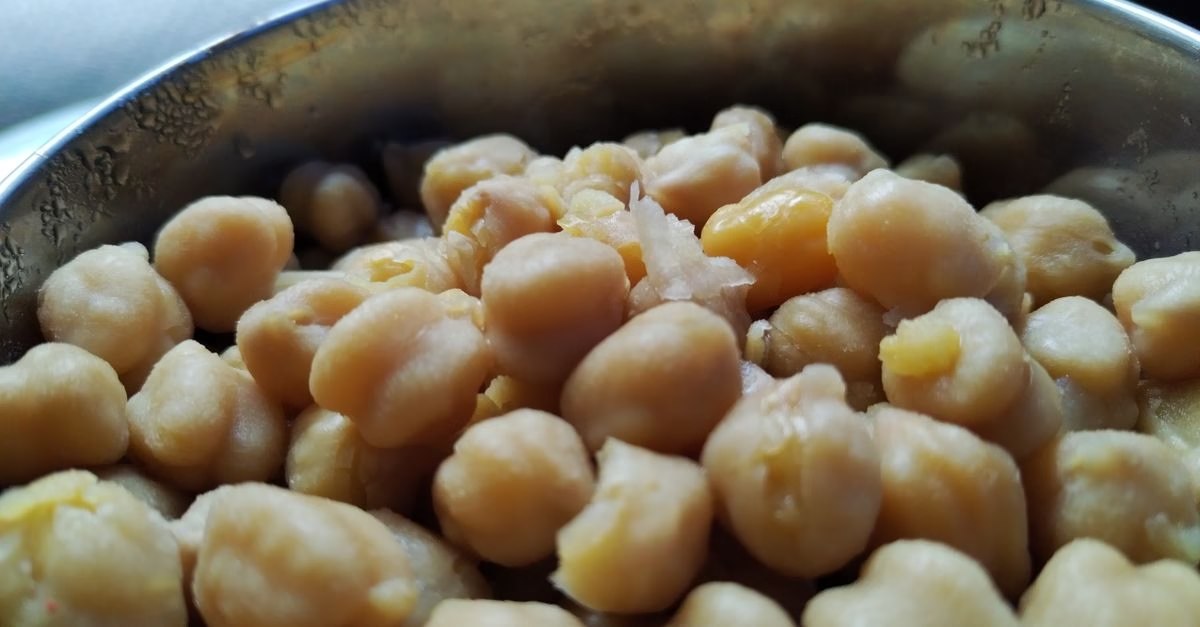
- Legumes: Beans, lentils, and chickpeas are not only rich in fiber but also versatile and easy to add to various dishes.
- Nuts and Seeds: Almonds, chia seeds, and flaxseeds provide both fiber and healthy fats.
While these foods can help many people, individual responses to different types of fibers can vary, what works well for one person may not have the same effect on another.
What Can We Do?
Incorporating more fiber into your diet can seem overwhelming, but it doesn’t have to be! Here are some practical steps to consider:
- Gradually Increase Fiber Intake: If you’re not used to eating high-fiber foods, start by adding a small serving into each meal and gradually increasing the amount.
- Stay Hydrated: Drink plenty of water throughout the day, especially when increasing fiber. Aim for at least eight 8-ounce glasses daily.
- Make Simple Swaps: Choose whole grain options instead of white bread or pasta and incorporate beans into meals to add both fiber and nutrition.
- Plan Your Meals: Preparing meals ahead of time can help ensure they are balanced and include fiber-rich foods.
- Include Snacks: Choose healthy, fiber-rich snacks like fruits, nuts, or vegetables with hummus to keep things moving!
When Should You See a Doctor?
While constipation is often manageable with lifestyle changes, certain signs may indicate that you should consult a healthcare professional:
- Severe or persistent abdominal pain
- Blood in your stool
- Unexplained weight loss
- Persistent vomiting
- Symptoms that do not improve with dietary changes
- A sudden change in bowel habits
These could be signs of more serious conditions that require medical attention.
Frequently Asked Questions
Why am I always experiencing constipation?
There are many possible reasons, including inadequate fiber and fluid intake, lack of physical activity, and certain medications. It’s important to assess your routine and dietary habits.
Can food cause constipation?
Yes, a diet low in fiber and high in processed foods can contribute to constipation. Including more fruits, vegetables, and whole grains in your diet can help.
When should I worry about constipation?
If constipation is accompanied by severe pain, blood in your stool, unexplained weight loss, or if it persists despite making dietary changes, you should contact a healthcare provider.
Is fiber good for everyone?
Most people benefit from fiber, but it’s essential to increase it gradually to avoid bloating or gas. Individuals with certain digestive disorders might need tailored advice from a healthcare professional.
How can I incorporate more fiber into my diet?
Start small! Add one serving of fruits or vegetables to your meals, switch to whole grain products, and choose legumes when possible. Making gradual changes will help your digestive system adjust.
Are there any side effects of increasing fiber intake too quickly?
Yes, sudden increases in fiber can lead to gas, bloating, and discomfort. It’s best to slowly increase your fiber while also drinking plenty of water.
What types of fiber are best for constipation?
Both soluble and insoluble fibers play important roles in digestive health. Soluble fiber helps soften stools, while insoluble fiber adds bulk.
Can stress really cause constipation?
Yes, stress can affect your body in many ways, including your digestive health. Managing stress through activities like exercise, meditation, and adequate sleep can help support regularity.
What the Research Says About Best High Fiber Foods for Constipation
Research consistently shows that increasing fiber intake can improve bowel regularity. A systematic review published in the American Journal of Clinical Nutrition indicates that dietary fiber is associated with lower rates of constipation. Observational studies from institutions like the Harvard T.H. Chan School of Public Health support the idea that fiber-rich diets help prevent gastrointestinal issues. However, individual responses can vary based on personal health, dietary habits, and other contributing factors.
Experts suggest aiming for 25-30 grams of fiber daily for optimal digestive health. It’s advisable to focus more on whole food sources of fiber rather than supplements, as whole foods offer additional nutrients that support overall health.
Simple Daily Habits That May Support Better Health
Here are some practical daily habits that may improve digestion and overall well-being:
- Eat a Balanced Diet: Try to include a variety of fruits, vegetables, whole grains, and proteins in your meals.
- Set Regular Meal Times: Eating at consistent times can help regulate your digestive system.
- Stay Active: Aim for at least 30 minutes of moderate exercise most days of the week.
- Limit Stress: Incorporate mindfulness practices, such as yoga or meditation, to support your mental and digestive health.
- Practice Good Eating Habits: Chew your food thoroughly, take your time at meals, and avoid distractions while eating.
Final Thoughts
When it comes to the Best high fiber foods for constipation, making small, manageable changes can lead to significant improvements in digestive health. Remember to gradually increase your fiber intake and stay hydrated. Each person’s body responds differently, so what works for one may not be perfect for another.
It’s essential for us to listen to our bodies, notice any changes, and respond accordingly. If we experience ongoing challenges with constipation, seeking the guidance of a healthcare professional can provide tailored support.
Together, let’s make informed choices about our diets and lifestyles to promote healthier digestion and overall wellness. Every step you take towards improving your diet can make a difference in how you feel!

Sources and References
National Institutes of Health: The Health Benefits of Fiber. 2021. https://ods.od.nih.gov/factsheets/Fiber-HealthProfessional/
Mayo Clinic: Dietary Fiber: Essential for a Healthy Diet. 2022. https://www.mayoclinic.org/healthy-lifestyle/nutrition-and-healthy-eating/in-depth/fiber/art-20043940
Harvard T.H. Chan School of Public Health: The Nutrition Source: Fiber. 2023. https://www.hsph.harvard.edu/nutritionsource/carbohydrates/fiber/
Cleveland Clinic: Why Are You Constipated? 2023. https://my.clevelandclinic.org/health/diseases/9445-constipation
American Gastroenterological Association: Digestive Health Tips: Fiber. 2023. https://www.gastro.org/practice-tools/patient-education-materials/fiber
Medical Disclaimer
This article is for general educational and informational purposes only. It is not intended to provide medical advice, diagnosis, or treatment. Health conditions can affect people differently, and information that is appropriate for one person may not be appropriate for another. If you have persistent, severe, or concerning symptoms, speak with a qualified healthcare professional for personalized advice.
Further Reading
Ivf Shot Schedule: 10 Things You Should Know
Omeprazole and Alcohol: Is It Safe to Mix?
what does a growth spurt in pregnancy feel like
Frequently Asked Questions
Does coffee help with constipation?
For many people, coffee can stimulate the muscles in the colon and encourage a bowel movement. However, it can also act as a diuretic, so it is important to drink extra water to stay hydrated.
Are fiber supplements as effective as food?
While supplements can help increase intake, whole foods are generally preferred. Whole foods provide a mix of fiber types along with essential vitamins and minerals that supplements often lack.
How long does it take for fiber to relieve constipation?
It often takes a few days of consistent fiber intake for your digestive system to adjust and for bowel movements to become more regular. Patience and steady hydration are key during this transition.
Should I avoid dairy if I am constipated?
Some individuals find that dairy products contribute to their constipation. If you suspect this, you might try limiting dairy for a few days to see if your digestive symptoms improve.
The Bottom Line
Improving your digestion starts with simple, consistent choices like eating more whole foods and staying well-hydrated. By gradually increasing your fiber intake, you can support your gut health and find relief from discomfort. Remember that your body is unique, so listen to what it needs and consult a professional if concerns persist.